Water Safety for Fast Crawlers: Keeping Mobile Babies Safe Around Water (Room-by-Room Guide)
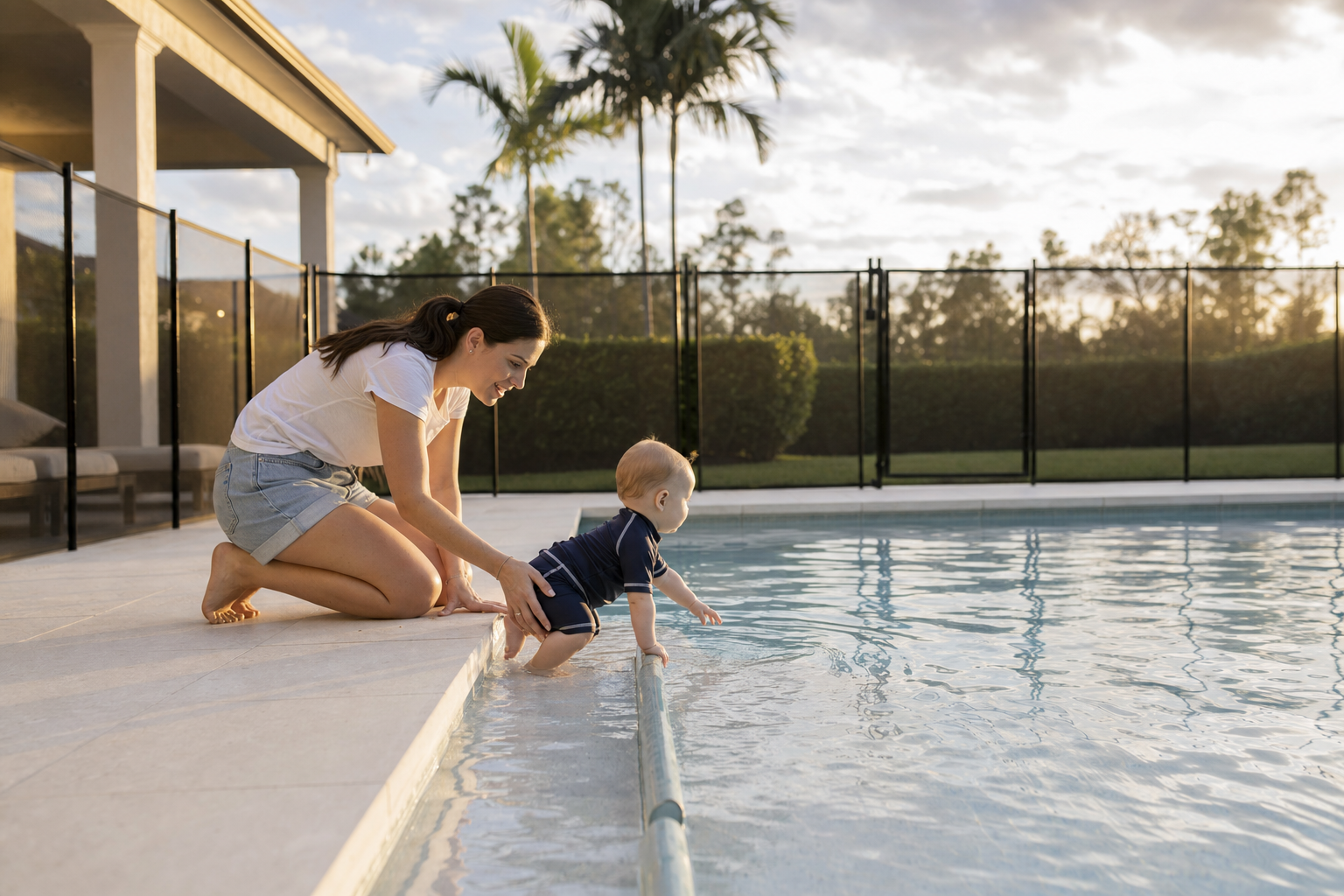
When your baby starts crawling, pulling up, and cruising—between about 6 and 18 months (sometimes up to 24 months)—what water safety means shifts seriously. Drowning can happen in just inches of water, even when you think you've got everything under control. Let’s go through room-by-room and yard-by-yard steps to make sure your mobile baby is as safe as possible.
Why a mobile baby stage changes everything
Around 6 months, many babies gain enough strength and mobility to move toward any water source they sense. After 12 months, when toddlers are more adventurous, risk spikes. According to the Centers for Disease Control & Prevention (CDC), drowning is the leading cause of death for children ages 1–4 in the U.S.(cdc.gov) Even shallow water—just 1 to 2 inches—makes breathing impossible if the baby's face becomes submerged. (healthychildren.org)
Supervision is absolutely essential: babies can drown quickly and silently. Barriers, emptying containers, and “touch supervision” (keeping hand contact or being within arms’ reach) are your best defenses. (healthychildren.org)
Room-by-room prevention plan
Bathroom and bathtub
As soon as your baby begins crawling, never leave them alone—even for a moment—in the bathtub or with water around. Infant bath seats and rings may tip or slip. Always fill the tub, then put your baby in, and empty it immediately after use. Keep tap water temperature set to no more than 120°F (49°C) to prevent scald burns. Hot water isn’t just burns—steam and splash can surprise a baby, causing them to slip under water. (healthychildren.org)
Toilets can be drowning hazards too. Babies can topple over or fall in headfirst. Always keep lids closed and consider installing child-proof latches. Buckets, bird baths, even pet water bowls—if filled, they’re risky. Immediately empty anything containing water after use. (healthychildren.org)
Kitchen, laundry, and other indoor areas
Mop buckets or laundry tubs can have water deep enough to be a hazard. Use lids or lockable rooms. Keep hot drinks and pots well out of reach. Babies who can pull up can reach more than you expect. Spill-proof containers, backs of stoves—these all matter when your baby can cruise around.
If you want a structured way to build water confidence at home, the 10-Week Plan guides you step by step.
Yard, pool, pond, and outdoor hazards
The moment your baby starts moving independently, every outdoor water source becomes potential danger. Pools need a four-sided fence at least 4 feet high, self-closing and self-latching gates, completely separating the pool from the house. Toys or flotation devices left near a pool become attractive lures for curious crawlers. Lessons are helpful, but they don’t replace barriers or constant supervision. (cdc.gov)
[[ctababy]]
Natural bodies of water—ponds, lakes, fountains—are unpredictable. Always use U.S. Coast Guard-approved life jackets if you’re anywhere near them. Be aware of current, waves, steep drop-offs, and hidden dangers like algae or debris. Even a small decorative fountain with just a few inches of water is enough for babies to lose balance and risk their lives. (cdc.gov)
Guidance on swim lessons and building water confidence
Once babies reach about 1 year old and can support their heads well, formal swim lessons become more effective. Studies show that children aged 1–4 who receive swim lessons see sharply reduced risk of drowning. (cdc.gov) Building trust in water, practicing floating, blowing bubbles, supported movement—all these help.
If you want structured practice with safety at heart from home or classes, consider tools like the 10-Week Plan from swimy.org. This plan guides parents and babies through a steady progression: starting with water familiarization, then moving to facial dips, blowing bubbles, supported floating, and eventually safe underwater transitions only when the baby shows readiness.(swimy.org)
Keep in mind even after lessons begin, the other safety steps—supervision, barriers, removing attractors—remain just as important. Lessons provide skills but do not erase risk.
Combining safety strategies for maximum protection
In every space—bathroom, kitchen, yard—you have to layer protection. For instance, water safety for a crawling baby includes installing door alarms or locks for bathroom doors, using toilet lid locks, fencing pools, and keeping buckets empty. Always supervise in water and near water sources. Adults should avoid distractions when supervising: phones, TV, or tasks all lower attention. According to CDC guidelines, an adult should always be within arm’s reach when a child is in or near water. (cdc.gov)
Support your baby’s development by teaching basic water familiarity early—but only at the pace your child is ready for. Watch for cues: comfort with water on face, head control, ability to follow instructions. If your baby coughs, sputters, or becomes distressed, pause, reassess, or consult your pediatrician.
Final thoughts: staying calm, attentive, prepared
Water safety for crawling baby isn’t about fear; it’s about being proactive. Don’t wait until your baby pulls up to start thinking about barriers and supervision. Even short lapses in attention—even seconds—can lead to tragedy. By emptying water sources, installing fences, practising touch supervision, and pursuing lessons when ready, you build a strong water safety foundation for your child.
Always remember: drowning is often silent, and danger doesn’t have to be obvious. Staying ahead of the mobile baby’s curiosity saves lives. Take action now so that splash time becomes safe time.
120+ swimming exercises sorted by age — with video and instructions. Developed by swim instructors, completely free.

120+ swimming exercises sorted by age — with video and instructions. Developed by swim instructors, completely free.