Baby Missed Half the Swim Class? Why It Still Matters and How to Make the Most of It
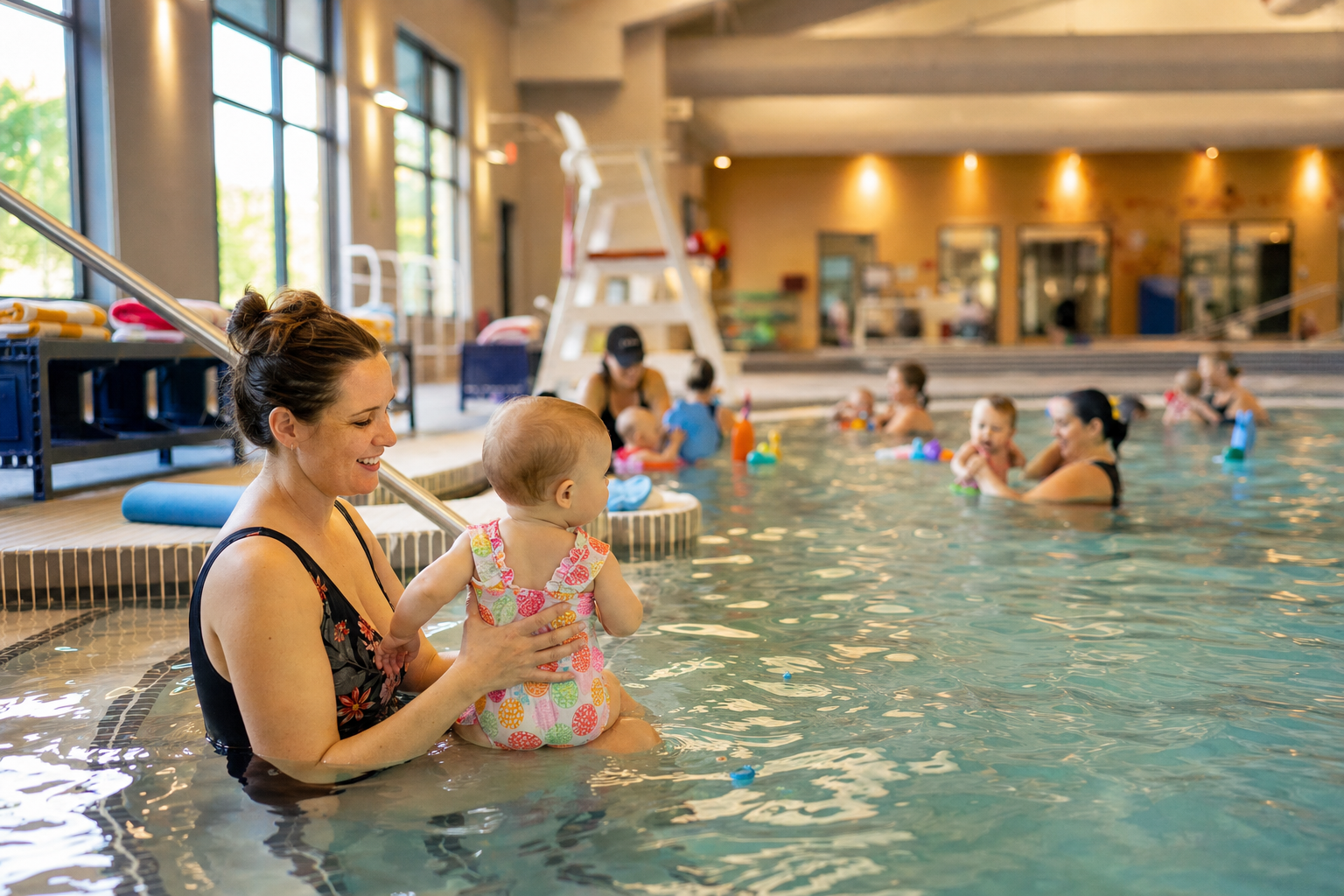
Ever left a baby swim class feeling guilty that your little one missed half the lesson—crying, traffic, diaper change dragging out? Don’t worry, you’re not alone, and it doesn’t mean all that time—and money—was wasted. Even a 15-minute splash can do wonders. Here's what you can aim for, when staying makes sense, and when heading home might be the smarter move.
Why a Short Swim Class Is Still Valuable
Even if your baby cries through swim lesson time or shows up late to baby swim class, that brief exposure has real benefits. A recent systematic review focused on babies aged 0-36 months found that formal aquatic exposure is generally safe and linked to better gross motor skills, improved coordination, visual tracking, and cognitive flexibility—even without complete lessons.(pmc.ncbi.nlm.nih.gov) According to the American Academy of Pediatrics, swimming lessons for children aged 1-4 offer a layer of drowning protection and build skills over time—but for those under 1, the goal is making classes fun and establishing water comfort, not teaching survival swimming.(publications.aap.org)
Short lessons—especially if the water and environment are warm—help build tolerance. Experts suggest limiting sessions for young babies to around 30 minutes or fewer to prevent chilling or overstimulation.(health.clevelandclinic.org) So even a half session has value: warm water, calm goal, gentle transitions.
Setting One or Two Calm Goals per Swim
Instead of pushing for full participation, pick one or two small, gentle aims before class. Maybe baby will float a few seconds in your arms, splash a foot, or simply tolerate getting ears wet. These calm goals help both baby and parent breathe easier. If baby cried through swim lesson today, whether from cold, hunger, or fear, achieving just one of those goals means a win.
Also, quality time with you counts immensely. Classes aren’t solely about skills—they’re about bonding, safety awareness, and helping your child feel safe in water.(swimy.org) That’s why the “10-Week Plan” at swimy.org is built around gradual exposure, trust-building, and giving caregivers simple, realistic targets to practice between classes.https://www.swimy.org/10-week-plan Ever notice babies seem calmer in subsequent classes after even just one splashy moment? That’s progress.
When to Stay, Step Out, or Go Home
Knowing when to push through and when to pause matters. Every baby is different, but here are signs and situations to guide decisions:
If baby seems cold (chattering lips, goosebumps), unwell (feverish, snotty), or overwhelmed (shut-down crying, clinging hard), it’s safer to end early or skip. Exhaustion or overtiredness makes transitions harder and stress higher. Waiting for another day is okay.
[[ctababy]]
If the only issue is late-arrival due to traffic or diaper change, stepping in quietly and finding a calm spot in the water together can help. Even being in the water for a short time, without full participation, gives baby exposure and helps build confidence. If baby is crying through the class, but not in distress, staying put for five minutes to watch or soothe can still set foundations.
On the other hand, if baby resists submersion or putting their face in water, forcing this “for money’s worth” or to finish class goals could backfire. Not every class has to end with swimming under-water or dunking. These milestones will come when baby is ready.
Handling Typical Pitfalls
A big mistake is rushing transitions: strap on the swim suit at zero notice, drop baby in icy water immediately, or try forced submersion at class end. These escalate fear. Always lead with warm-ups—gentle holds in warm water, playful splashes, eyes-in water games.
Another trap: feeling like you have to get every minute in just because you've paid. It’s okay to leave early or stay partially engaged. Your baby’s comfort, not full attendance, drives long-term gains.
Avoid pushing for submerging or float skills before baby is physically and emotionally ready. The AAP doesn’t recommend repeated submersions for infants under 1 as they may cause negative experiences and not improve survival outcomes.(publications.aap.org)
Quick Tips to Make Short Lessons Count
Show up early so changing and acclimatizing don’t eat into class time. Time in the water is golden. If your baby is late to baby swim class, make the entry calm—not hurried.
Plan for transitions: towel, snacks, warm clothes ready. Calm voices, songs, and familiar toys help when baby cries through swim lesson stress points.
During class, match your calm goal. If today’s aim is just “relax in the water with parent’s arms,” then let go of expectations for full participation or submersion. Celebrate the small win.
If you leave early, reflect afterward: what was okay, what was rough, how can you adjust next time—could class timing be wrong, is pool too cold, do you need shorter or different class type.
Final Word
Missing half of a baby swim lesson because of crying, traffic delays, or diaper disasters doesn’t mean it was worthless. In those shorter moments, babies are gathering exposure, building comfort, and parents are learning cues and calming techniques. When you pick one or two calm, developmentally appropriate goals—and protect safety and comfort—you’re actually getting more than your money’s worth. Trust the small steps. They add up.
120+ swimming exercises sorted by age — with video and instructions. Developed by swim instructors, completely free.

120+ swimming exercises sorted by age — with video and instructions. Developed by swim instructors, completely free.