When Your Baby Only Loves Warm Water: Easing the Chill in Public Pools
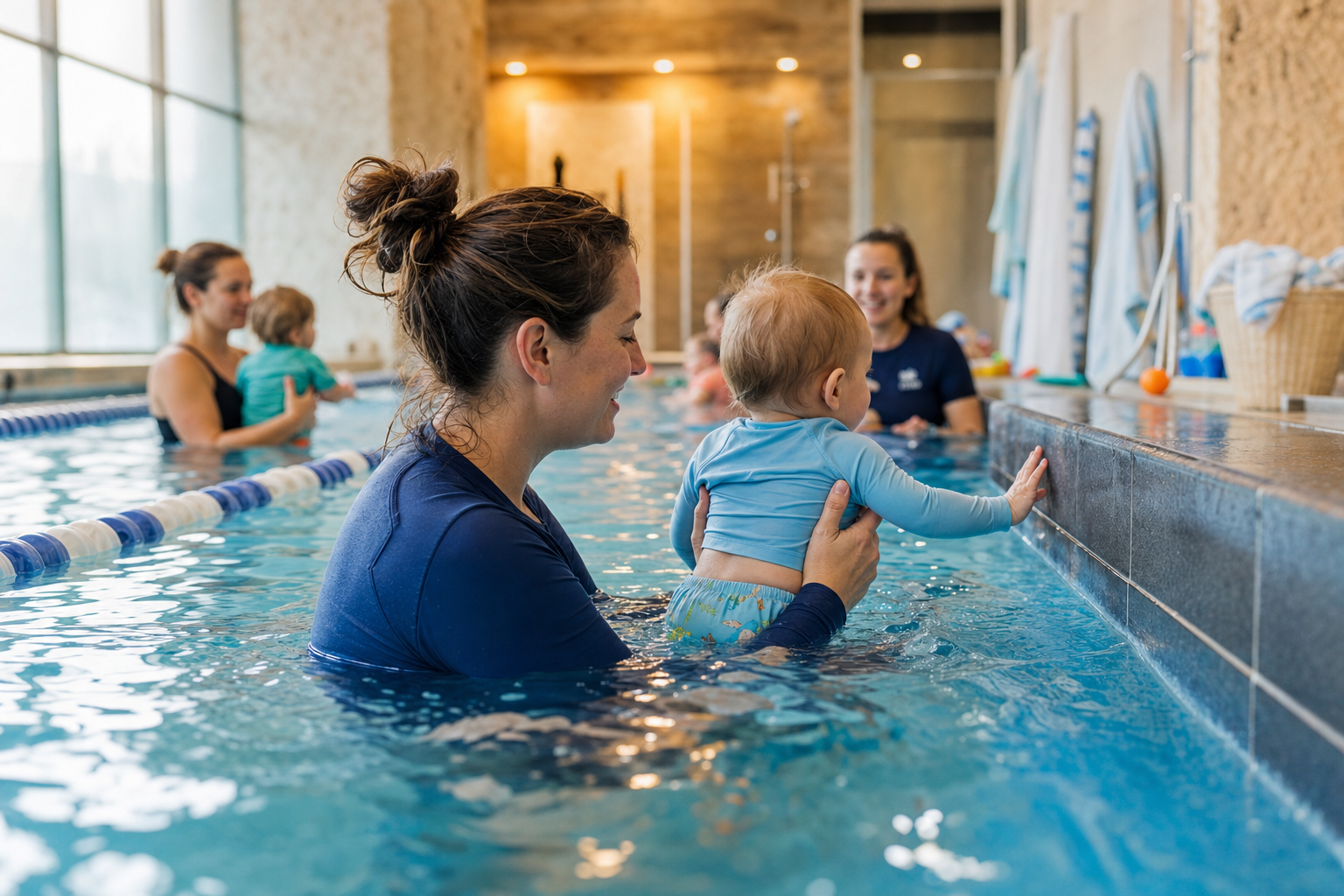
Imagine your little one kicking and smiling in warm bath water—or a heated therapy pool—but turning pale, crying, or freezing up in a public pool that feels just a hair too cool. If your baby seems to hate cold pool water, you're not alone. Babies under 12 months especially can be extremely sensitive to temperature differences. The good news is: with gentler transitions, shorter positive sessions, and careful pool choices, it’s possible to help your baby feel safe and happy in cooler water outside the home.
Why Bath Confidence Doesn’t Always Translate to Public Pools
Just because your baby loves warm bath time doesn’t mean they’ll take to a standard pool immediately. Baths are typically much warmer and cozier—think snuggly water at around 97–100°F—while many public pools hover in the 78–84°F range. For babies under 1 year old, thermoregulation (their ability to maintain body temperature) is still developing. Cooler water quickly becomes overwhelming, and what feels like play to an adult is chill stress to a little one. Experts advise that cycles of discomfort like this can set back confidence rather than build it.(health.clevelandclinic.org)
What’s the Ideal Pool Temperature for Babies?
Swimming lesson guides aimed at infants and toddlers recommend water between 87°F and 94°F (30.5°C–34.5°C) for children age 3 and under.(healthychildren.org) Many purpose-built infant swim pools are heated to that range specifically to prevent cold stress. If the pool drops below that sweet spot—say 80°F or lower—babies are more likely to shiver, become pale, or lose interest fast.(swimy.org)
Choosing the Right Pool Type
Look for pools labeled “warm water,” “infant-friendly,” or “heated teaching pool.” These are often separate indoor pools. Check with the facility ahead of time: many public recreation centers publish water temperature or will tell you by phone. Ask whether they maintain the 87–94°F range for their infant/toddler classes.(waterwisekids.com) Also, consider humidity and air temperature around the pool; cold air or strong drafts make exiting the water feel even harsher.
How to Warm Up Gradually
Start with a warm bathtub at home. Let your baby soak in warm water, supporting their head carefully and letting them reach reflex comfort in that setting. Then, try introducing them briefly to warm pools or therapy pools with temperatures in the 87–94°F zone. Limit sessions early on to 10-15 minutes and build up time slowly as you notice them stay calm, active, and happy. Swim schools often use baby-play classes before formal lessons so babies can build comfort.(healthychildren.org)
If you want a structured way to build water confidence at home, the 10-Week Plan guides you step by step.
[[ctababy]]
Around this portion of your routine, you might consider following something like the 10-Week Plan of swimy.org, which gradually builds a baby’s transition from warm bath and therapy settings toward more typical pool environments while focusing on feeling safe and confident.
Spotting Cold Stress: When to End the Session
Babies don’t always tell you they’re cold—watch for the signs. If your baby shivers, their skin feels cool to touch, lips turn blue, or they seem unusually sleepy or pale, it’s time to get out. Also, signs like sneezing, fussing, or wanting to curl up on you are clues. Experts say finishing earlier, while your baby is still comfortable, helps them remember swimming as fun, not a stressful experience.(health.clevelandclinic.org)
Avoiding the Pitfall of Forcing Full Lessons Too Soon
Even in the warmest pool, forced lessons won’t help if your baby is uncomfortable. Public pools are bigger, deeper, with more people and often cooler water. A baby who has mastered bath time doesn’t yet have the body strength, control, or emotional readiness to thrive in big water without gradual exposure. The American Academy of Pediatrics notes that baby water play classes are fine under age one, but full swimming lessons are generally better postponed until after age one, when physical and developmental skills improve.(publications.aap.org)
Practical Tips for Parents
When choosing swim sessions, arrive with warm towels and a dry change of clothes. Keep baby covered before and after swimming. Wear lightweight swim clothes that retain warmth yet let them move. Keep your voice encouraging, let them splash gently, let them touch pool walls rather than assuming they’ll dive in. Celebrate small wins—short moments where they float or kick comfortably.
If a pool is cooler than you hoped, shorten the visit. Three or four very positive 10-minute swims in a warm pool will do far more for comfort and confidence than one long, miserable outing in a freezing public pool.
Safety First
Always keep a close eye and stay within arm’s reach. Babies chill fast. If you notice shivering, pale or blue lips, or that your baby seems unusually sleepy, it’s time to warm up outside the water. Use warm blankets and gentle rubbing, not rapid heat. Even before vaccines, water that’s clean, temperature-appropriate, and in a safe environment can be part of a healthy water introduction, especially in the company of a caregiver who supports and reads their cues.(health.clevelandclinic.org)
Helping your baby love the water—even cooler public pools—is about respecting how vulnerable they are to cold, choosing rightly heated pools, offering short and joyful sessions, and honoring every step of their journey. The glow in their eyes when they paddle without a shiver is well worth the patience. Want more ideas or tips for picking a swim class specifically for babies under a year? I’ve got you covered—just say the word.
120+ swimming exercises sorted by age — with video and instructions. Developed by swim instructors, completely free.

120+ swimming exercises sorted by age — with video and instructions. Developed by swim instructors, completely free.