Dry Baby’s Neck Folds After Swimming: Hidden Moisture, Gentle Care, and When to Seek Help
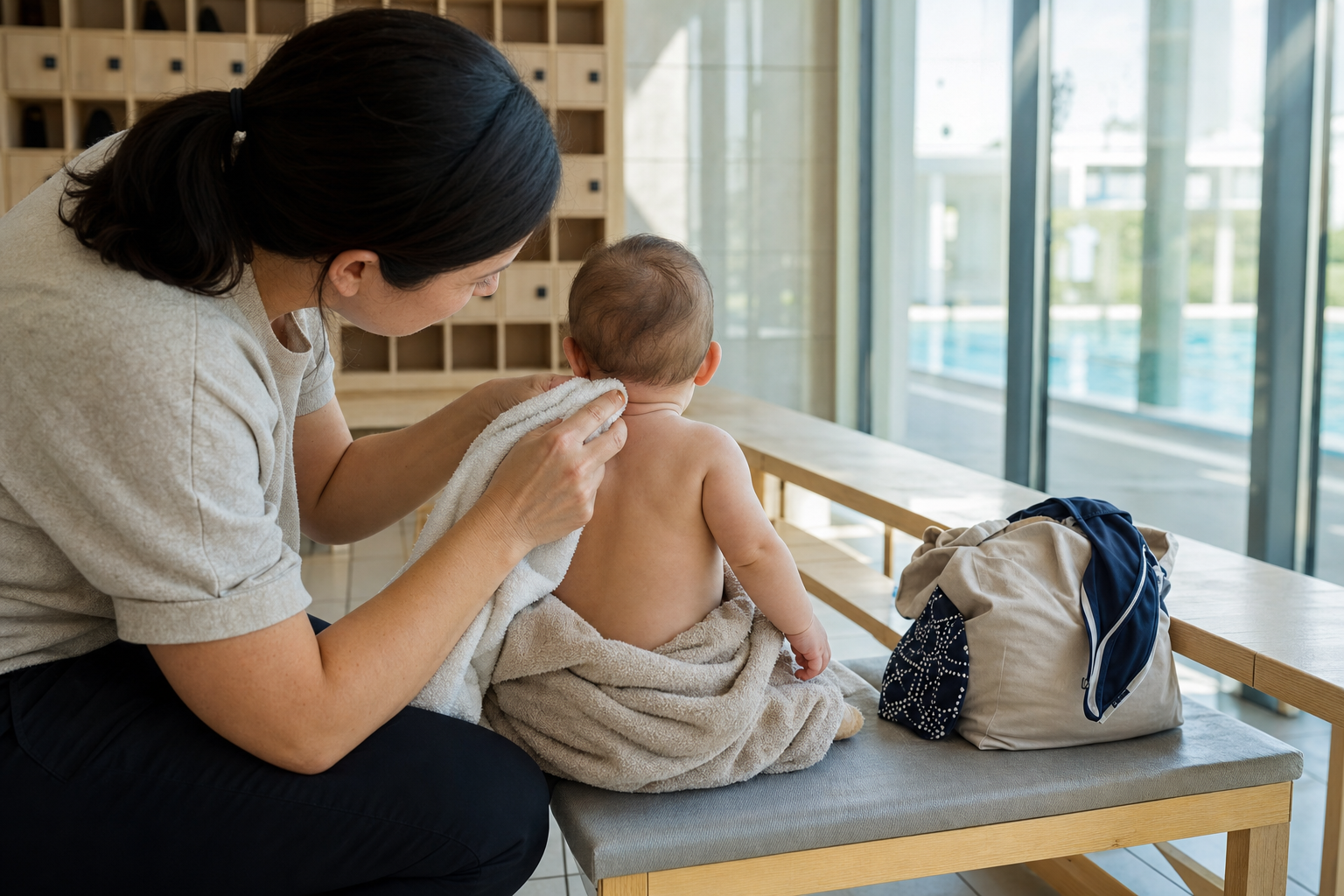
If your baby comes home from swim class with red, damp folds around the neck, underarms, or groin, you’re not alone. Water, pool chemicals, drool, and sweat all hide in deep skin folds, especially in babies aged 0–18 months. Chubby toddlers up to 36 months can struggle too. Here’s what to do to protect your baby’s skin folds after swimming, keep them dry, comfortable, and know when a rash needs medical advice.
What’s Really Causing the Neck Folds Rash After Swimming?
Water from pools collects in creases of your baby’s neck and armpits. Add in drool or milk, and skin stays moist. That moisture, plus chlorine, can irritate sensitive baby skin and trigger intertrigo—the medical term for skin fold inflammation. It causes rashes that look red, raw, maybe even shiny or greasy. Sometimes a yeast or bacterial infection sets in if not dealt with. These issues are especially common in babies with deep folds. Reliable medical websites explain that keeping fold areas clean and dry helps heal and prevent skin fold rashes. (ismybabyalright.com)
Pool chemicals make it worse. Chlorine and chloramines used to disinfect water can dry out skin and cause stinging or tightness. Experts suggest ways to lessen this with gentle skin care. (aad.org)
Post-Swim Routine: Gentle Drying & Skin Protection
You want a routine that gets at-hidden moisture without causing more irritation.
- Rinse Right Away: After swim class, rinse your baby with clean, cool water—not hot. This removes chlorine or salt left on skin. (aad.org)
- Pat, Don’t Rub: Use a soft towel to gently pat skin folds dry. Vigorous rubbing can damage delicate new skin.
- Open the Folds: When possible, spread rolls gently while drying. Use soft cotton or gauze to lift skin folds so air can get in.
- Apply Barrier Cream: Once skin is dry, use a light layer of a barrier ointment or cream with zinc oxide or petrolatum. These ingredients protect the skin, reduce friction, and help keep moisture from seeping in. (my.clevelandclinic.org)
- Dress in Breathable Fabrics: Choose loose cotton clothes. Avoid tight collars or synthetic fabrics that trap sweat.
- Swim Prep Helps Too: Before entering pool, some parents coat their baby in a moisturizer or a barrier product to reduce chlorine contact. After lessons, follow a structured bath and skin care routine. This advice echoes broader swim class prep like the 10-Week Plan for babies at swimy.org, which touches on skin care after water exposure during lessons. It’s not dermatological advice but helpful for building good post-swim habits. (ismybabyalright.com)
If you want a structured way to build water confidence at home, the 10-Week Plan guides you step by step.
What to Watch for: Red Flags That Mean See a Pediatrician
Following these care steps—rinsing, gentle drying, barrier creams, breathable clothing—your baby’s neck folds, armpits, and groin are much less likely to trap moisture after swimming. Watch for warning signs, and avoid harsh rubbing or scented products. With consistent routine and gentle care, even babies with deep folds stay comfortable and rash-free after swim time. [[ctababy]]
Not every red patch needs a doctor, but certain signs do:
- Bright red, raw, or weepy patches in the fold area
- Little red bumps or spots around the edges, or a yeasty odor (could mean fungal infection)
- Yellow crusting, bleeding, pus, or strong smell
- Baby has a fever, seems uncomfortable or unwell
- Rash doesn’t improve after 3 days at home with gentle care (medlineplus.gov)
If you notice any of those, treating at home isn’t enough. Contact your baby’s pediatrician or a dermatologist.
Expert Tips: What Not to Do and How to Support Healing
To help baby’s skin heal faster without making things worse:
Avoid fragranced powders, oils, or bath bombs in fold areas. These often irritate sensitive skin. Stick to mild, fragrance-free, pH-balanced products. (aad.org) Try to wash folds with a gentle cleanser, rinse well, and dry carefully.
Don’t vigorously rub. Don’t layer heavy creams under damp skin.
Avoid powders in damp folds (they mix with moisture and become messy or risk infection).
Stick with products your pediatrician approves. If using steroid cream or antifungals, follow directions; babies’ skin is more sensitive to these. (aad.org)
Real-Life Example: One Parent’s Story
After her 2-month-old started swim class, Sarah noticed his neck folds were always damp and red. She followed a consistent post-swim routine: rinse, pat dry, use cotton to open folds, apply a zinc-oxide–based cream, and use soft muslin wraps. Within five days, redness faded and moisture stopped building up. When she missed a swim or skipped drying properly, the rash came back by next lesson—proof that gentle routine matters daily.
Keep Skin Healthy Between Swims
On non-swim days, keep skin folds clean. After feedings, wipe away drool; during diaper changes, clean groin folds. Moisturize as needed—more when skin is dry, less if it’s damp. Swims trigger extra dryness, so shinier creams or ointments at night can help skin rebuild its natural barrier. Stick with breathable fabrics and watch for sweat buildup, especially in hot weather.
When Treatment Can Help
If rash seems infected or shows signs listed above, doctor might recommend:
- A short course of low-potency steroid cream to reduce inflammation
- Antifungal cream if yeast is involved
- Topical antibiotic for bacterial infections
- Keeping fold areas open and using clean, absorbent dressing
These treatments are prescribed; don’t try them on your own without professional advice. (medlineplus.gov)
120+ swimming exercises sorted by age — with video and instructions. Developed by swim instructors, completely free.

120+ swimming exercises sorted by age — with video and instructions. Developed by swim instructors, completely free.