Teaching Baby’s “Yes” and “No” in Water: A Consent-Based Pathway for Babies Aged 4–36 Months
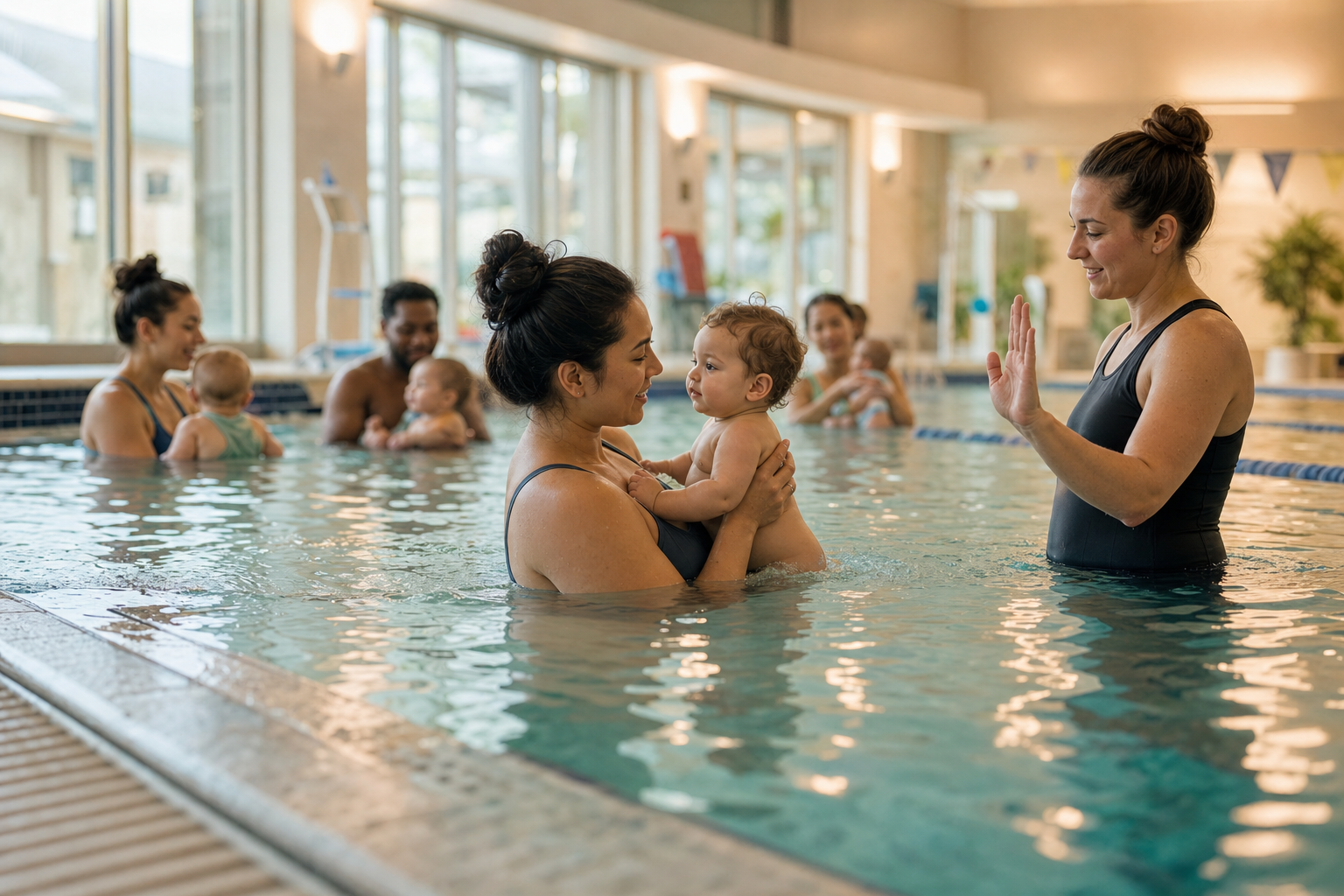
When parents enrol their little ones in gentle baby swim lessons, many dread the moment their baby faces submersion or floats. What matters most isn’t how many times a child goes underwater—it’s whether they are giving their “yes” versus showing signs of being overwhelmed. Here’s what parents can watch for, how to pause and advocate, and how to find swim lessons that truly respect a baby’s pace.
Spotting Micro-Signals Before Full-Blown Distress
Babies are tiny communicators: they signal discomfort long before they cry or panic. For infants or toddlers between 4 and 36 months, look out for breath-holding, repeated turning away, rigid body posture, frantic clutching, or a stiff body. These are not discipline problems—they are red flags. AUSTSWIM specifically states that forceful conditioning and forced back floats or submersion are harmful and opposed in their teacher code of conduct. (austswim.com.au)
Other signals: clenched fists, arching of the back, wide open fingers, grabbing at you or the teacher. These show the baby is not relaxed or engaged in what’s happening. If they begin coughing, screaming, or go completely still, submersion should stop right away. These are warning signs that distress has escalated past any safe threshold. (austswim.com.au)
Pausing, Not Pushing: How to Surface Consent
Responsive baby swimming means being ready to pause before submersion or floats if a baby isn’t showing relaxation. When a teacher introduces a float or dip, they should allow the baby to lean in, reach, or tilt their head toward interaction—not force them into the pose. This builds trust, not compliance.
Advocating calmly is vital when a class moves faster than your child can handle. Ask whether the instructor follows standards such as those in the USSSA Infant Toddler Guidelines, which require that submersions for babies over 6 months are brief (around three seconds) and few in number unless the baby clearly shows readiness. These guidelines also emphasise caregiver education, comfortable water temperature, and individualized pacing. (usswimschools.org)
If you want a proven curriculum structured around nurturing consent, swimy.org’s 10-Week Plan provides a course outline that gradually builds comfort and skills. Tailored for 4-36 months, it supports identifying readiness cues and only advancing when babies are emotionally and physically prepared. Hyperlinked here: 10-Week Plan.
What the Experts Say: Performance vs Trust
The American Academy of Pediatrics (AAP) urges choosing swim lessons that build water competency—not just teaching strokes or pushing performance goals. Their recent policy statement says there are no data to support infant swim lessons under 1 year reducing drowning risk, and that repeated submersions can backfire, leading to fear rather than confidence. Helpful classes focus on skills like floating, resurfacing, water awareness, and how to exit the water safely. (publications.aap.org)
[[ctababy]]
AUSTSWIM insists on “developmentally appropriate and respectful teaching methods” for infants and preschoolers. The organisation forbids any forced back floating or submersion techniques and demands active parent or carer participation. No child should ever be forced into a particular posture or practice. (austswim.com.au)
Practical Steps for Parents
If you’re enrolling your baby in swim lessons, start by watching them during the first session. Does the teacher wait for signs of comfort—smiling, loose limbs, looking around—before doing floats or dips? Or does the teacher dive in, pushing babies immediately into submersion? Choose programs that encourage caregiver involvement in water, so you can see and influence how your baby’s comfort is handled. When speaking up, use calm, matter-of-fact language: “Let’s wait until she’s looking relaxed before we try that,” or “I noticed he turns away—can we go more slowly?”
Classes specifically labelled “gentle baby swim lessons” or “consent based baby swimming” tend to focus on building relaxed curiosity rather than achieving milestones. Ask staff what their training covers. Do they know the AAP drowning prevention policy? Do they follow USSSA or AUSTSWIM guidelines? Do they have an agreed pause threshold for signs of distress? These are clues you’ve found respect-based instruction.
Knowing When to Pause Completely
Even in well-run classes, rows flip. If your child displays crying, rigid posture, breath holding, turning away repeatedly, clutching you, or trying to escape, those are clear signals to stop. These are NOT discipline issues. Ignoring them can lead to panic, fear of water, or even long-term negative associations. After pausing, offer comfort: hold them, let them warm up, reassure them. Try again later—maybe in a gentler routine or smaller group.
Summary: Building Trust in Water Over Time
What all gentle baby swim lessons have in common is respect for the child’s pace. When you can read micro-signals like rigid bodies, clutching, or turning away, pause before moving on to floats or submersion. Advocate for lessons grounded in consent, not performance. Choose instructors aligned with AUSTSWIM, USSSA, or AAP guidelines. Prioritize safety, eye-level support, and warm water. Your baby will learn “yes” and “no” in water with you as their interpreter—leading to joyful confidence, not forced compliance.
Ultimately, baby swimming isn't about teaching a stunt—it’s about helping your child feel secure, curious, and safe in water. When consent leads, not pressure, every splash becomes a step forward.
120+ swimming exercises sorted by age — with video and instructions. Developed by swim instructors, completely free.

120+ swimming exercises sorted by age — with video and instructions. Developed by swim instructors, completely free.