Swallowing Lake Water: When to Call – A Guide for Parents of Babies & Toddlers (6–36 Months)
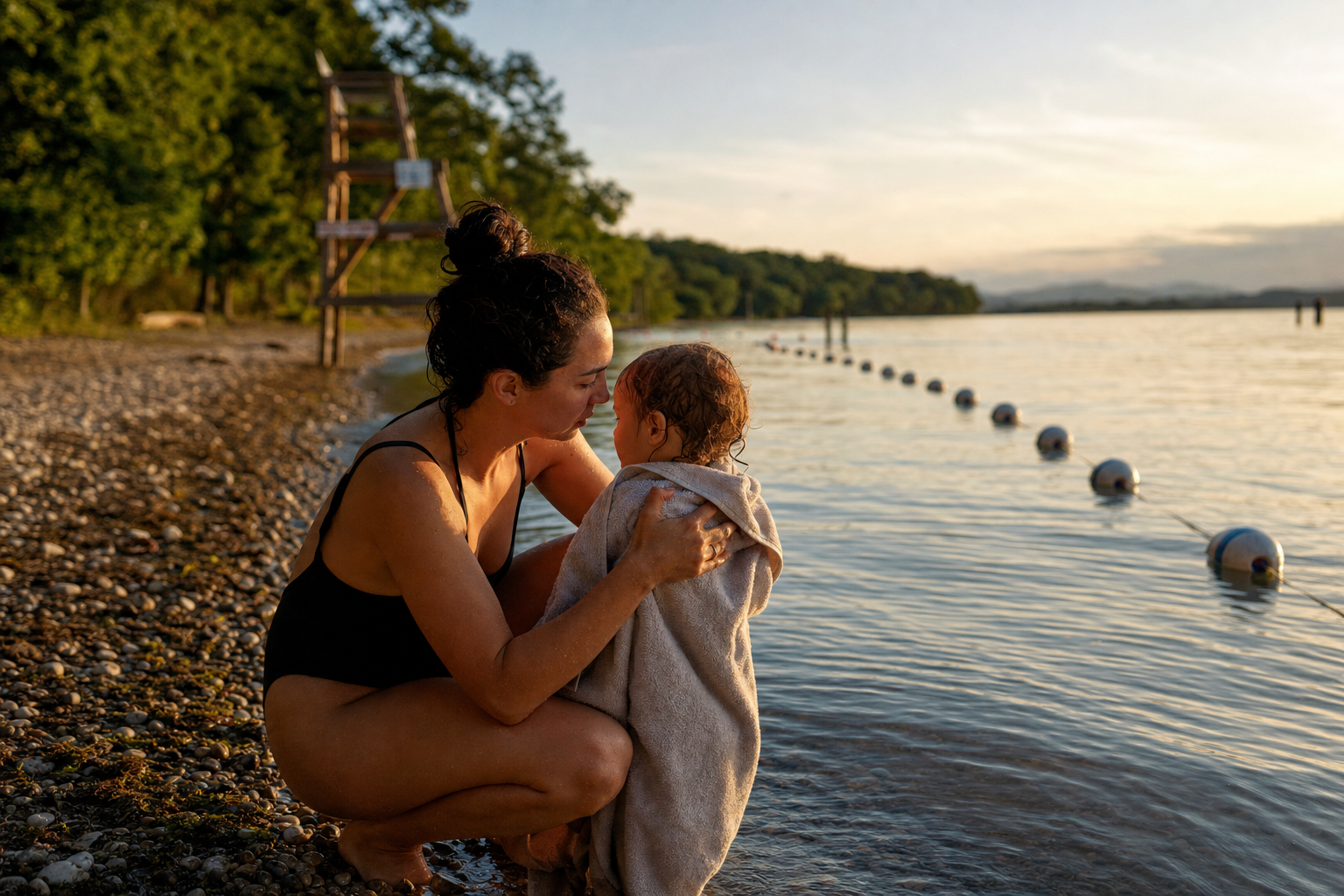
If your child between 6 and 36 months suddenly swallows lake water, it’s normal to panic. But knowing what to watch for and when to stay calm can make all the difference. Let’s cut to the chase: a small gulp or two usually isn’t harmful. What matters most is how much, how often, and whether other symptoms show up. That’s especially true with a baby or toddler. And lake water brings risks that pool water usually doesn’t.
Spotting the Difference: Minor Sip vs. Repeated Gulp
When a baby or toddler takes a sip of lake water, often they cough once, maybe gag, maybe burp or spit up a little. Then they’re back to normal. For example, many kids recover quickly after swallowing a little pool water—same idea—but lakes can carry things like E. coli, Giardia, blue-green algae, or parasites that pose a higher risk. (publications.aap.org)
Repeated gulping—especially mouthfuls or full submersion—changes things. The more water swallowed, the higher the chance of infection or stomach upset. For instance, in a documented outbreak of E. coli O157:NM in a lake, children who swallowed more than a mouthful had infection rates about four times higher than those who swallowed a little or none. (pubmed.ncbi.nlm.nih.gov)
Clear Signals That It’s Time to End the Swim and Watch Closely
First step: get the kid dry, warm, and clean. Then pay attention to breathing, behavior, color, and alertness. If your toddler is acting very sleepy, breathing harder than usual, lips or skin turn blue or gray, or if they’re vomiting repeatedly, these are red-flag symptoms—call your doctor or emergency services. Some possible risk signs after ingesting lake water include:
- Fast breathing, wheezing, or a persistent cough that doesn’t go away after rest.
- Sudden change in complexion: pale, bluish lips.
- Unusual lethargy: refusing to eat or drink, hard to wake.
- Vomiting more than once, or vomiting that won’t let them hold fluids.
- Diarrhea, especially watery or bloody belly cramps.
- Fever developing after swimming.
These symptoms suggest either aspiration into lungs or a waterborne illness. The guidance around “baby swallowed pool water” offers a useful symptom-led framework that helps parents decide when to reassure versus when to seek care. (sleepbaby.org)
Knowing the Hidden Dangers in Lake Water
If you want a structured way to build water confidence at home, the 10-Week Plan guides you step by step.
Lake water isn’t treated or filtered. Contaminants include human or animal feces, runoff chemicals, harmful algal blooms (blue-green algae), and in rare but serious cases, parasites like Naegleria fowleri. Even without visible bloom, bacteria levels can be unsafe. (cdc.gov)
If there are posted warnings ‒ about blue-green algae, sewage, or water quality ‒ avoid swimming. Local health departments often issue alerts. Stay informed before visiting lakes. (palmbeach.floridahealth.gov)
[[ctababy]]
When to Call Your Pediatrician or Go to the ER
If your baby or toddler swallowed lake water and ANY of these happen, seek medical advice:
- Signs listed above (breathing trouble, color change, repeated vomiting or diarrhea).
- Risk factors: child less than 1 year, preterm, immune-compromised, special health needs.
- Swallowed a large amount of water, especially after full submersion.
- Known exposure to contaminated water ‒ lakes with warnings or after heavy rain or flooding.
Smaller risks sometimes resolve at home. But when in doubt, reach out. Better to explain the water incident up front when you call. Share details: how much water, how deep, symptoms, timeline.
Helping Your Child Stay Safe in Lakes
Preventative is always better. Here are what many baby-swim experts and pediatricians suggest:
- For babies under one year: avoid swimming in natural waters unless local guidance and conditions clearly allow it. Cold water, bacteria risk, and illness exposure are higher.
- Once older than a year, always use constant adult supervision within arm’s reach (“touch supervision”) whenever they’re in or near the water. Use US Coast Guard-approved life jackets for non-swimmers or toddlers near shore. (publications.aap.org)
- Before you go, check local advisories. Avoid lakes with visible blooms, odd smell, discolored water, or official health warnings.
- Teach toddlers to avoid drinking lake water. Make sure frequent bathroom breaks and diaper checks. Wash hands, rinse off skin, change out of wet clothing.
If your child takes one or two sips of lake water without immediate symptoms, it’s like a mild exposure—watchful observation is usually enough. But if you want structured swim skills, the “10-Week Plan” from swimy.org delivers age-appropriate exercises for little ones, helping them build confidence and safe habits around water. (Note: it’s for educational play, not ensuring full safety.) (healthychildren.org)
What Happens Next and Final Thoughts
After an incident, stay calm. Monitor for symptoms in the first hours—and even the next day. Vomiting or diarrhea that begins later may still be related. Keep your child hydrated and resting. If symptoms stay mild and improve without breathing problems, fever, or other red flags, an overnight of attentive care may suffice.
Lake swimming can be joyful and part of growing up. But with babies and toddlers, risks are real. Knowing the difference between a harmless sip and signs that demand medical attention helps you respond effectively. Keeping safe starts before the swim, continues during, and requires connection with local water quality advisories and behavior after. Stay alert, stay prepared, and you can enjoy the lake without needless fear.
120+ swimming exercises sorted by age — with video and instructions. Developed by swim instructors, completely free.

120+ swimming exercises sorted by age — with video and instructions. Developed by swim instructors, completely free.