Shadow Swim: Follow-the-Leader for Streamline and Kicks
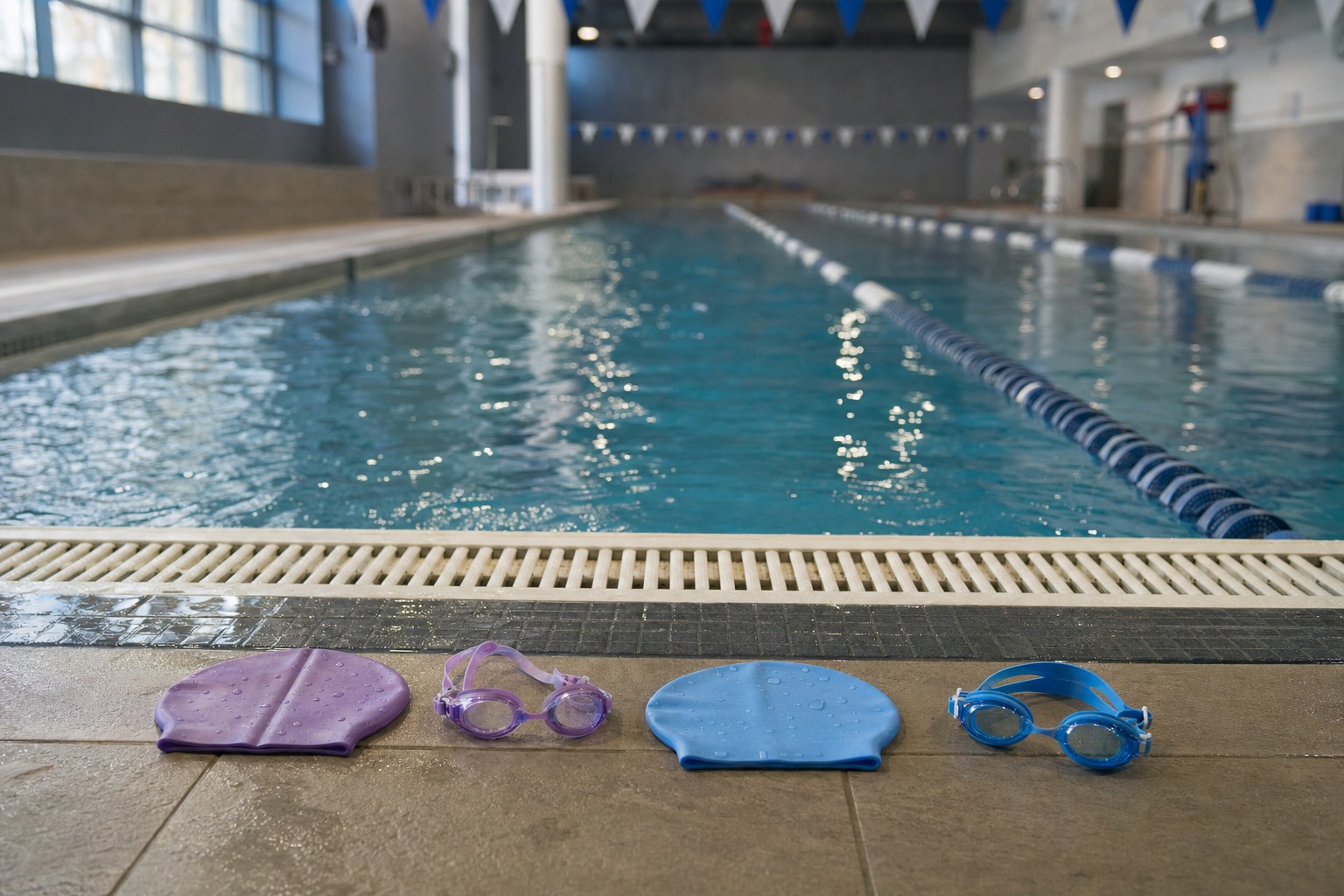
To see improvements in bodyline, steady kicks, and glide from pushing off the wall, try Shadow Swim—a fun partner game where one child leads with glides and kicks, and the other mirrors. It’s one of those swimming games that teach technique while keeping kids fully engaged. Great for ages 5-10, it builds core water-competency, self-confidence, and skill.
What Is Shadow Swim and Why It Works
Shadow Swim consists of two children paired up (or a child and parent). The leader starts at one end of an open, uncrowded lane and pushes off the wall using a streamline position (hands overhead, ears squeezed, body flat). After a short dive or glide—never more than about 5 meters—the leader begins steady flutter or side kicks. The follower shadows, matching speed, shape, and the leader’s movements. After a short distance, they surface to breathe, reverse direction or pause, then switch roles.
Why it helps technique: steady kicks plus streamline glides teach posture and propulsion. Partners who follow well naturally attend to bodyline, kick from the hips, keep toes pointed, avoid bent knees. Playing the leader-follower game adds motivation; children tend to mirror good technique when they’re copying. This combines kick drills for kids with fun.
Safety Guidelines & Basic Water-Competency
Always set ground rules before starting. Use safety measures like limiting submersion (glides under water) to about 5 meters, and ensure breathing is not held for long. Avoid crowded lanes. Parents should supervise and step in if a child’s form deteriorates or fatigue sets in. These practices support core elements of water competency: entry and exit, controlling breathing, turning and orienting in water, swimming at least 25 yards with any stroke. These are defined by trusted programs like Water Safety USA, which also emphasizes safe exit and orientation, and skill proficiency such as swimming 25 yards. (watersafetyusa.org)
How to Set Up Shadow Swim
Pick a spacious lane with low traffic. One partner acts as leader, the other shadows. Begin with warm-ups: streamlines and short kicks off the wall. A leader does streamline push-offs, glides, then kicks; follower matches. Swap roles so both get to lead and mirror. Keep each round short—5-10 meters or until form loosens. Parents can use cues like “rocket arms,” “hips high,” “toes pointed.”
For younger kids (5-7), you might reduce distance and delay switching roles. For 8-10, increase distance or add variation like side kicks or glides with one hand overhead. As children improve, integrate elements from the Swimy.org 10-Week Plan, which builds skills progressively—first streamline, then kicking and glides—to solid technique over time. (swimy.org)
If you want a structured way to help your child progress at home, the 10-Week Plan guides you step by step.
Key Technique Tips During Shadow Swim
Leaders and followers should focus on body position. Keep arms stretched overhead, hands locking into streamline. Head down, eyes forward, body flat in water. Kicks come from the hips—not weak flutter from feet alone. Toes pointed, legs straight but relaxed, avoiding the "bicycle kick" style where knees bend too much. Parents observing can look for bent knees, dropped hips, floppy ankles as signs technique is breaking down.
[[ctakid]]
Breathing matters. Don’t allow long underwater holds. Surface regularly. Encourage rhythmic breathing matched with kicked glides. Leaders should cue breathing points so followers learn timing. Always breathe before fatigue-sets in.
Sample Session Plan
Warm-up (5 minutes): gentle pushes off the wall in streamline, light flutter kicks, surface breathing. Shadow Swim Round A (leader glides 3-5m, then kicks 5m; mirror). Switch. Repeat 4-6 times with rests in between. Add a variation where leader shows side-kicks or alternating streamlines with arms half raised, and follower copies. Finish with a short full swim of 25 yards incorporating streamline exits, glide, then swim.
This session format ties directly back to water competency skills: starts from wall exit, control of breathing, swim a full stroke, exit safely. It delivers fun plus measurable progress.
When Shadow Swim Is Most Effective (and Year-Round Use)
You can run Shadow Swim inside any time of year—indoor pools make it usable even in winter. It works during swim lessons, public lap swim times if lanes are open, or family swim sessions. Adjust the duration to suit attention spans—kids aged 5-7 may need shorter rounds; 9-10 year-olds can sustain longer mirrored glides. Consistency matters: weekly practice yields noticeable improvement. Coaches find that in other kick drills for kids, repetition of streamlined push-offs plus steady kicks leads to better posture and less drag in swims. (parentedge.com)
What Parents Gain (Besides Tired Legs)
Parents gain easy setups: this game doesn’t require kickboards, fins, or complex gear. Just two swimmers, a lane, and space. It avoids cluttering lanes because only two people move at once, with rest breaks. It also gives parents tools to spot crucial technical faults and give simple cues—such as “straight body,” “strong kick from hips,” “streamline arms”—rather than overwhelming corrections.
And ultimately, kids improve their water competency: better skill in entries and exits, breathing control, ability to orient in water, swim 25 yards, and safely exit. Those are core criteria from resources like Water Safety USA. (watersafetyusa.org) Shadow Swim helps them move toward those benchmarks naturally.
Final Thought
Shadow Swim is a partner game that delivers two gifts at once: fun and skill. Ages 5-10 thrive when copying, challenging, leading. With clear safety, attention to technique—streamline, steady kicks, breathing—and consistent practice, this game builds strong foundations. Parents can use this all year, in any open lane, no clutter. Start with a small glide and mirror today—bodyline and kick will follow.
120+ swimming exercises sorted by age — with video and instructions. Developed by swim instructors, completely free.

120+ swimming exercises sorted by age — with video and instructions. Developed by swim instructors, completely free.