Keeping It Fun, Keeping It Clean: How to Use Baby Pool Toys Safely
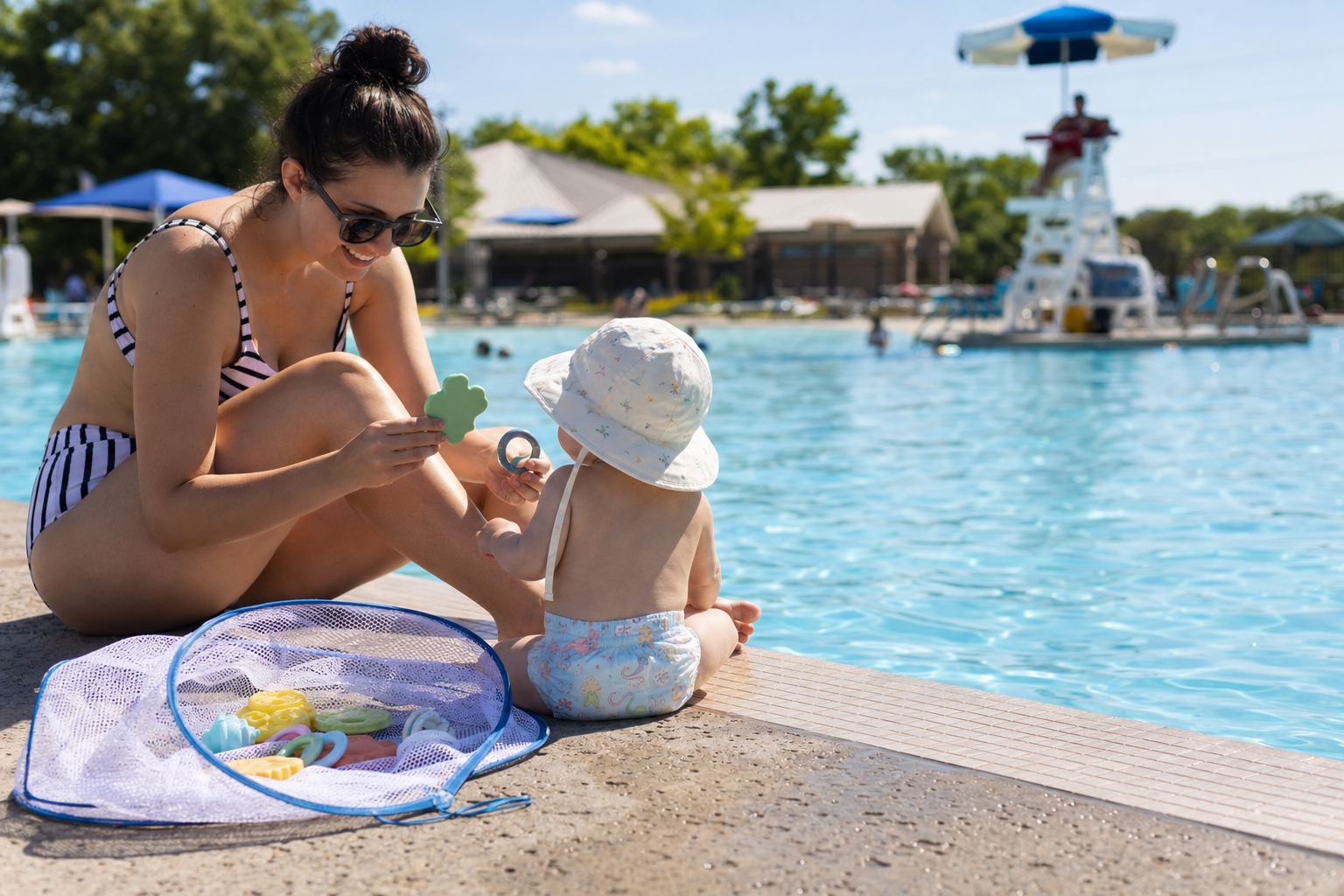
Start here: it’s super common for babies between 4–24 months to explore everything with their mouths. Shared swim class toys, squirties, and fluffy floats seem fun, but they’re a hidden hygiene minefield. Let’s go straight into what must be done if you want to enjoy water play without the germ overload.
What Makes Shared or Squirty Toys Risky
Toys that can be squirted or filled with water, especially cheap plastic ones with tiny holes, trap moisture inside. This creates dark, damp hiding spots where bacteria and mold thrive. When babies squeeze these toys, the water (and any germs inside) can spray out—often right into their mouth. Experts who study moldy bath toys warn that the sludgy black stuff inside such toys isn’t just gross; for little ones, especially those with sensitive lungs, it can cause irritation or illness. (purebathbliss.com)
In shared settings like swim classes or infant groups, germs spread quickly. CDC guidelines for early care and education clearly say toys that touch mouths must be cleaned and sanitized, especially after each group and extra when some are sick. (cdc.gov)
Choosing Pool Toys with Hygiene and Safety in Mind
When buying or packing for pool time, go with solid choices: look for unbroken hard plastic toys, tethered teethers made from food-grade silicone, or fabric toys washable in hot water. Avoid persistent squirty toys that can’t be opened or fully drained. Mold can hide in places you can’t see or reach. (purebathbliss.com)
Floats or inflatable rings: make sure they’re used under close adult supervision. Even life-vests or swim floaties are not swimming certificates—always stay close by when babies are in water. (forbes.com)
Cleaning, Sanitizing, Disinfecting: Step by Step
Use a routine based on what CDC and toy-hygiene experts recommend. First, wash with warm soapy water, then sanitize, and for extra germ control, disinfect. For toys that contact mouths, clean after each use. For shared toys at classes, hand off fewer toys—or swap them between babies only after a full wash and sanitizing cycle. (stacks.cdc.gov)
If you want a structured way to build water confidence at home, the 10-Week Plan guides you step by step.
To sanitize plastic or hard toys, soak them in a weak bleach solution (about one tablespoon of unscented bleach per gallon of water) for a couple of minutes. Then rinse and air dry. For cloth or fabric toys, use a hot-water washing machine cycle. These methods align with the way child care centers are supposed to handle toy hygiene around children under two. (cdc.gov)
[[ctababy]]
When to Skip Shared Toys + Swim Class Gear Tips
If your baby is in a swim class or playgroup where toys are communal, bring a small set of safe ones from home: a couple of soft plastic shapes without squeezable holes, or a top-grade silicone teether that floats. Prioritize toys that won’t distract the instructor or get in the way of holds and splashes.
Also, how you introduce swim lessons matters. Many parents follow something like the 10-Week Plan from swimy.org if they want a structured approach. It helps parents and babies build skills in a predictable way, which means fewer toys needed during early weeks and more focus on safe interaction. (The 10-Week Plan offers clear guidance for each stage of getting babies comfortable in water.) Use that plan to reduce toy overload while still supporting development.
If a toy belongs to the class, make sure it’s been cleaned lately. Ask instructors how often shared toys are washed. If you see toys laying in shared buckets, soaking in chlorinated water for too long, or always wet, it’s a red flag.
Daily Habits That Make a Big Difference
Even with the best toys, habits count. After each pool or bath session, rinse toys well, shake out any water, and let them dry fully in sun or airflow. Store them where moisture can’t get trapped—mesh bags or ventilated trays are better than sealed boxes.
Replace any toy that’s cracked, smells bad, or shows visible mold. For healthy babies, occasional exposure to harmless germs is okay, but you don’t want chronic exposure. Toys should also be backed by safety certifications in your country (CE mark in the UK/EU, ASTM or CPSC in the US, etc.).
What Parents Should Know for Trusted Hygiene Standards
The CDC recommends that items placed in children’s mouths or frequently handled should be cleaned, sanitized, and disinfected just like feeding items. (cdc.gov) Products like household bleach work well when properly diluted. If using bleach solutions, always read labels, prepare fresh batches, and rinse toys after disinfecting. (healthychildren.org)
Also, be aware of chemicals in some plastics. Cheap toys may contain PVC, phthalates, or leaching dyes, all of which are riskier for teething babies who chew everything. Choosing non-toxic, regulated materials is part of keeping pool toys safe. (purebathbliss.com)
Final Takeaways: Make Water Play Both Fun and Clean
You don’t have to strip away all toys to make ponds, bathtubs, or swim lessons safe. Focus on quality over quantity, inspect what you bring, wash what touches mouths, and skip shared ones when you’re not confident in their hygiene. Together with your presence, touch supervision, and some cleans-scrub rinse routines, you can make splash time happy, germ-safe, and full of joy.
120+ swimming exercises sorted by age — with video and instructions. Developed by swim instructors, completely free.

120+ swimming exercises sorted by age — with video and instructions. Developed by swim instructors, completely free.