Baby Swim Class During RSV Season: Should You Press Pause?
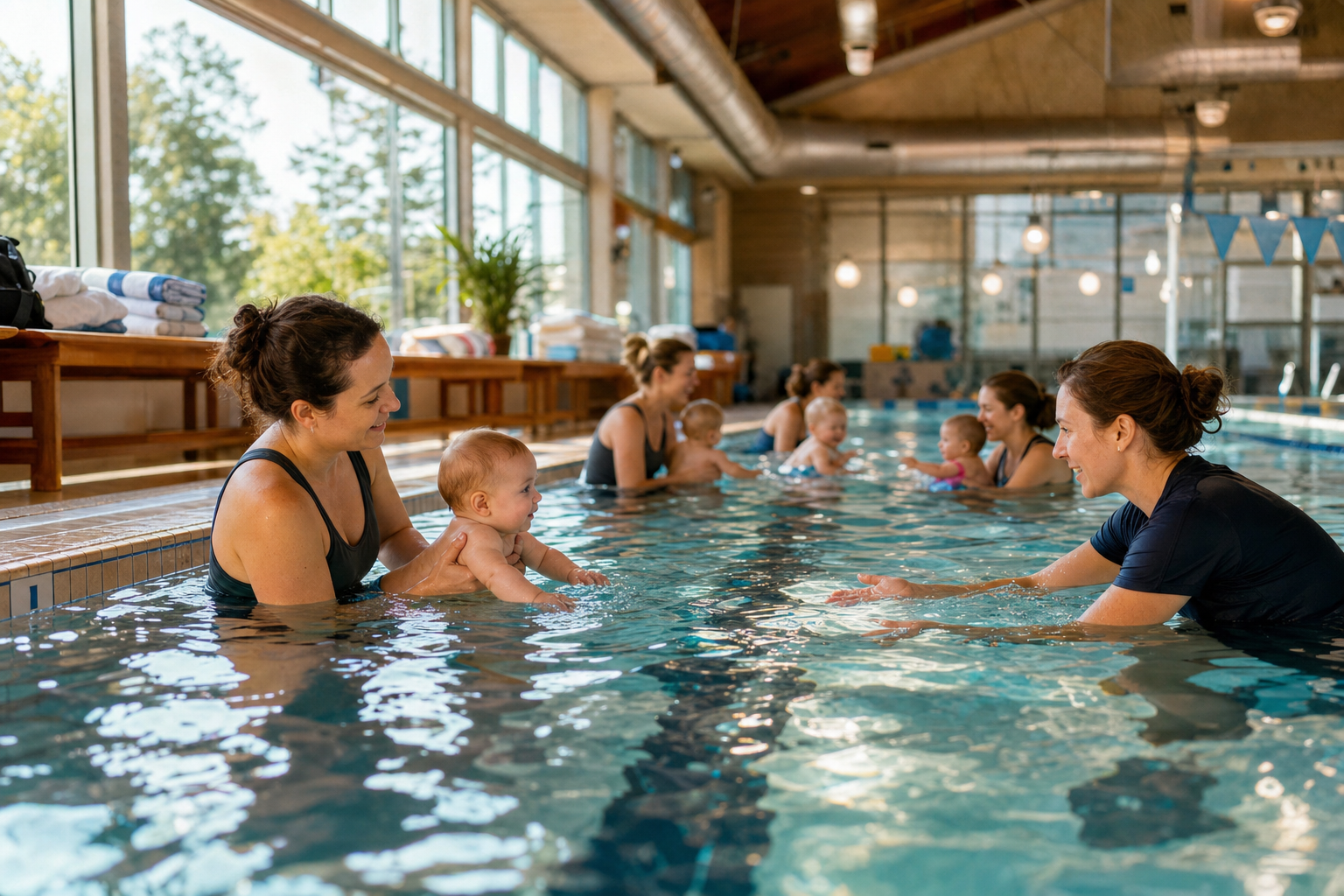
If your baby is between 0–24 months old, RSV season—from autumn through early spring in the US and UK—can feel like walking through a minefield. You might be wondering: is it better to skip that swimming lesson this week if the cough has crept in? Can consistency in “baby swim class RSV” exposure be more harmful than helpful? Let’s jump right into what matters most so you can make a calm, informed decision for your little one and family.
When to Skip Swim Classes
If your baby has a fever, is showing breathing trouble, or has a significant cough or wheeze, swim lessons aren’t the place to be. The American Academy of Pediatrics (AAP) is very clear: skip the pool if there's moderate or severe illness, breathing difficulty, or a doctor‐advised isolation. RSV and bronchiolitis often begin like a cold—with a cough and runny nose—but only worsen in some. (publications.aap.org) Staying home during those early red flags keeps everyone safer and speeds recovery.
If your child has a mild cold, no fever, and breaths comfortably, low risk might be acceptable. But still, vulnerable siblings—premature babies, infants under six months, or anyone with immune issues—mean added caution. If someone at home is high risk, it might be wiser to take a break from shared public spaces like swim class changing rooms. (nhs.uk)
Why Consistency Matters for Babies
Regular baby swim classes aren’t just about fun. Early aquatic experience helps confidence, motor skills, water safety awareness, and bonding. The course structure—guided time with a trained instructor—provides predictable exposure. This reduces stress for the baby and parent alike. Balanced exposure can help babies build resilience, especially when pool hygiene and ventilation are well-managed. AAP supports swim programs for young children while weighing health concerns like infectious illness and environmental exposures. (doi.org)
Some parents wonder whether the pool water itself is dangerous. In most public indoor pools, chlorine and filtration keep germs in check in the water—but germs spread more easily in poorly ventilated spaces like crowded changing rooms, shared restrooms, and showers. These areas are hotspots of viral transmission via surfaces and aerosol droplets. The science confirms that shared washrooms with high traffic carry a measurable risk of viral respiratory infection. (pmc.ncbi.nlm.nih.gov)
Know the schedule: some swim academies provide a structured 10-Week Plan that gently builds strength, adaptability, and immune resilience through classes. Knowing what your baby is already used to helps you make better decisions about missing or modifying classes for illness. [10-Week Plan] (link to this URL: https://www.swimy.org/10-week-plan)
How to Weigh the Risks
Here’s how you can think about balancing the benefits with the risks during RSV season:
- Age: Younger babies—especially under six months—have less immune protection. If your baby is still in that early window, lean toward more caution.
- Severity of symptoms: A mild stuffy nose without cough? Maybe fine. But if the cough worsens or includes wheeze or breathing issues, that’s a no‐go.
- Changing room safety: Is the pool facility crowded? How clean are surfaces like benches and floors? Is there good ventilation? Shared washrooms have higher odds of transmitting RSV. (cambridge.org)
- Sibling risk: If there are immunocompromised family members or a newborn in the house, even mild exposure could have ripple effects.
- Local RSV activity: Monitor local health data—if RSV is spiking in your area, err on the side of taking more breaks.
[[ctababy]]
Tips if You Decide to Keep Swimming
If you and your pediatrician agree that continuing swim lessons is okay, there are smart precautions you should take.
Keep your baby clean: rinse off before entering pool water and change swim diapers often. This helps reduce pathogens in water. Use swim classes that require adult supervision, keep water warm, and limit submersions for very young infants. These are some of the recommendations for aquatic programs designed for children under 3 years. (doi.org)
Care for changing areas: bring your own clean towel for surfaces, avoid letting baby sit on wet floors, wash your hands thoroughly, wipe down common touchpoints. Perhaps shower at home if possible or choose times when the facility is less crowded.
Pay attention to hygiene habits in your home: frequent handwashing, limiting contact with people who are showing cold-like symptoms, keeping the home well‐ventilated at all times. These habits reduce exposure and support your baby’s immune system.
When and How to Restart Lessons
After missing several sessions, it’s normal to worry about losing momentum—but most babies bounce back fine. Make sure the illness is fully resolving: no fever for 24 hours without medication, breathing steady, cough easing. Start slowly—maybe reduce class frequency or avoid deep submersions until your baby seems more comfortable.
Ask your pediatrician any question: Is RSV vaccine or antibody protection recommended for your baby this season? Some infants are now eligible for new prevention options. (pubmed.ncbi.nlm.nih.gov)
Final Thoughts
Choosing whether to pause your baby’s swim lessons during RSV season isn’t simple, but it comes down to balancing benefits of consistency and water confidence against risks of illness and exposure. Skip class if there is fever, breathing issues, or a bad cough. If symptoms are mild, the facility is clean, and sibling risk is low, continuing is possible with smart safeguards—especially if you're using a structured program like the swimy.org 10-Week Plan. Trust your instincts, stay informed, and keep in close contact with your pediatrician. Your baby’s health—and family well‐being—depends on thoughtful, flexible choices, not perfection.
120+ swimming exercises sorted by age — with video and instructions. Developed by swim instructors, completely free.

120+ swimming exercises sorted by age — with video and instructions. Developed by swim instructors, completely free.