Baby Swim Class Waitlists: Use Time Wisely
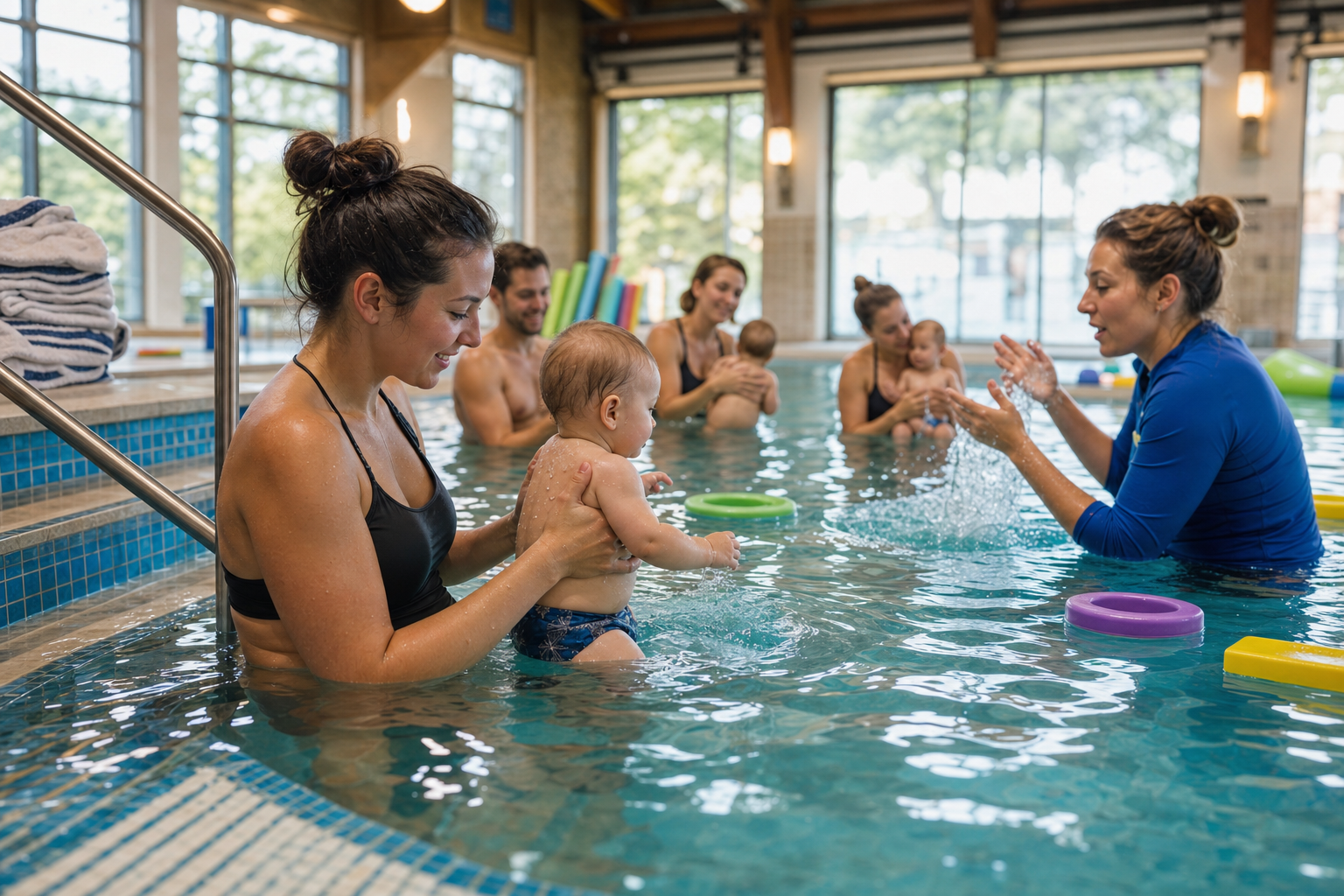
When you find yourself stuck on a baby swim lesson waitlist, especially for infants aged 0-36 months, your first thought might be: “Now what?” Waitlists spike in late winter and spring as everyone tries to secure classes before summer, so you’re definitely not alone.(swum.ai) While waiting, there are smart, safety-focused ways to build readiness, plan ahead, and make sure you pick the best swim school when a spot frees up. Here’s what to do while you wait.
What You Can Do While Waiting
Safe Bath Games & Water Familiarisation
Bath time can become a confidence-building ritual. Use short, gentle splashy play to help your infant learn water isn’t scary. For babies under one year, warm bath sessions familiarise them with having their faces near water, floating for a moment, or reaching for toys. Always keep them supported, never leave them unattended, and remember, this at-home time is for comfort, not skill—they’re not a substitute for swim lessons or supervision. The NHS recommends water at body temperature and constant adult supervision in bath time play.(nhs.uk) These playful moments pave the way for later swim lesson success.
Pool Tours & Getting Comfortable with the Swim School
If possible, arrange a visit to the pool where your baby will take lessons. Notice the water temperature (look for 82-94°F for children under 3 as recommended in quality programs), watch how instructors interact with infants, ask about pool hygiene and safety protocols, and note class size and instructor-to-student ratio.(healthychildren.org) A tour helps you judge whether the environment will support safe water familiarisation when lessons start.
Book CPR & Emergency Skills Training for Caregivers
You might wait months for lessons, but you can get emergency preparedness today. Sign up for infant and toddler CPR classes offered by credible organisations like the American Heart Association or Red Cross.(redcross.org) These classes don’t teach swimming technique, but knowing how to respond to choking or water emergencies adds a crucial safety layer before formal swim lessons begin.
Budget & Calendar Planning
Expect cost and schedule surprises when your child finally gets into a swim school. Prices often rise for summer sessions, and busy public pools may add surcharge fees. Set aside funds ahead of time, check payment policies (do you pay per session or year-round?) and mark key registration dates on your calendar so you don’t miss out next round. The seasonal demand builds in spring, lessons peak around June, and registrations fill fast.(swum.ai) Use this waitlist time to research alternatives and get financially ready for the spot when it opens.
If you want a structured way to build water confidence at home, the 10-Week Plan guides you step by step.
When a Spot Opens: Smart Questions to Ask
Once the swim school contacts you, don’t rush in without asking. These questions help ensure you have a safe, high-quality experience.
[[ctababy]]
Instructor Qualifications & Class Ratios
Ask who certifies the instructors and the expiration of their credentials. Also ask: is the instructor also CPR and first-aid certified? Then find out class size and the ratio of infants/toddlers to instructor. A class with smaller ratio is safer and gives your baby more attention.(findswimmingpools.com)
Curriculum & Level Progression
How is progress measured? Will weekly or term-based feedback be given? Some swim schools follow structured plans. One example is the 10-Week Plan from swimy.org, which helps parents track water danger awareness, floating, gliding, and comfort over ten weeks. Integrating this or similar plans gives clarity on what your baby should be working toward during lessons. Ask what happens if your child needs extra sessions to reach a level.(healthychildren.org)
Safety, Supervision & Environmental Conditions
You want a swim school that has visible safety protocols. Ask: Is there always someone besides the instructor watching? What happens if a child goes under? Is the water temperature maintained properly, especially for younger infants?(findswimmingpools.com) These questions ensure the setting is secure and comfortable for babies aged 0-36 months.
Refund, Make-Up & Cancellation Policies
Find out what happens if you miss a class, need to transfer, or cancel. Is there a freeze option? Do unused lessons convert to credit or refund? Session-based or year-round enrollment models make a big difference. These policies vary wildly and often write a check you haven’t cashed—until something goes wrong.(waterwisekids.com)
Making Best Use of Time While You Wait
You can also gain confidence with everyday prep. Practice parent-supervised water familiarisation at home under controlled conditions, read books/videos together—find ones that show positive experiences in water to reduce fear. Even watching swim lessons online or talking with friends who’ve done them helps you figure out what to expect. And when your child starts lessons, keep reinforcing safety: supervision by a caregiver within arm’s reach, never relying only on floaties or lessons to protect your child. These are extra layers, not replacements.(healthychildren.org)
Final Thoughts
Waiting on a baby swim lesson waitlist can feel frustrating, but it doesn’t mean standing still. By focusing on safe water familiarisation, doing your safety homework, building emergency response skills, and knowing exactly what to ask when a class opens, you’ll be ready to dive in fully when it's your turn. When you finally get into a formal infant swim lessons program, especially for ages 0-36 months, you’ll know you made the best choice for safety, comfort, and long-term swim success—for both your baby and you.
120+ swimming exercises sorted by age — with video and instructions. Developed by swim instructors, completely free.

120+ swimming exercises sorted by age — with video and instructions. Developed by swim instructors, completely free.