Baby Swimming With a Latex Allergy: What Parents Need to Know for Safe Pool Days
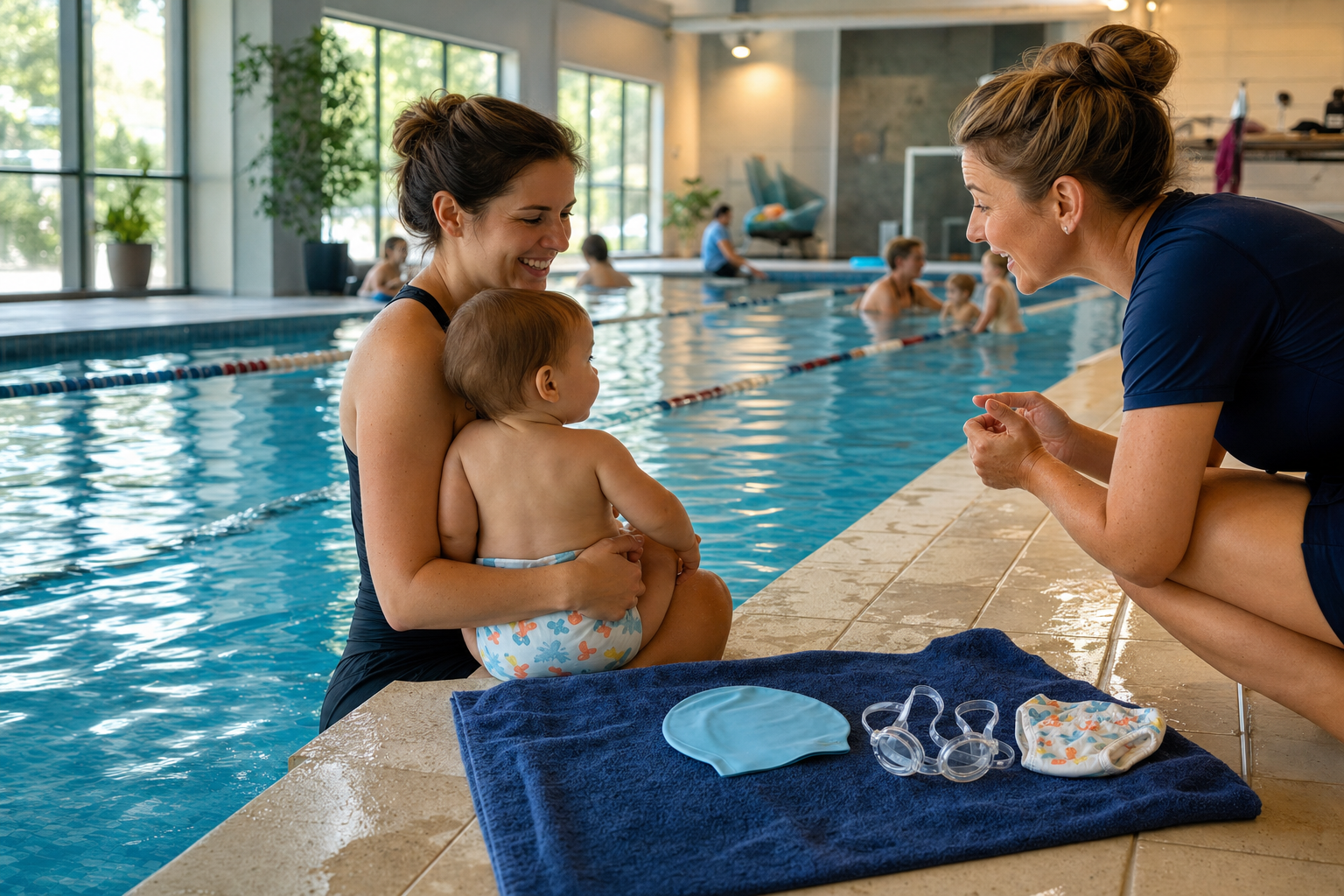
If your baby aged 0–36 months has a known or suspected latex allergy, your top priority heading into swimming lessons is to cut down risks right away. Tell the swim school about your child’s allergy plan from their clinician, ideally before enrollment. Ask instructors to mark your baby’s name clearly on their gear area so staff know not to touch anything with latex when helping your child. Confirm their first-aid kit is stocked with non-latex gloves and bandages, and ensure they’ve done allergy awareness training. Once these safety foundations are in place, you can turn to gear and routines so you’re ready every swim day.
Understanding Where Latex Hides in Swim Time Gear
Latex allergy in babies is triggered by direct contact with natural rubber latex or, in some cases, airborne protein particles. Many swim items you’ll touch contain latex: elastic waistbands on reusable swim nappies, the rubber seals around leg openings, goggle straps, swim caps, and many pool toys. Rental or borrowed gear often doesn’t clearly say what it’s made from, so assume latex unless proven otherwise. As Allergy UK notes, even swim caps and some goggle straps frequently contain natural rubber latex—always verify. (allergyuk.org)
Brands are getting better: some swim cap and goggle lines are now made entirely of silicone, which is a safe choice if your child’s clinician agrees. (help-uk.zone3.com) Reusable swim nappies can also contain latex in the elastic legs, so checking the label or calling the manufacturer is essential. Even when something appears like silicone, it might still have hidden latex—for example in adhesives or elastic blends.
Choosing the Right Baby Swim Gear
Latex-free gear isn’t always easy to spot, but some clear markers and material switches help. For swim caps and goggles, go with silicone or vinyl straps instead of natural rubber. (allergyasthmanetwork.org) For swim nappies, look for options with synthetic elastic or cloth-covered bands. Reusable nappies with tight elastic are helpful for leaks—but the same elastic could cause a rash if it’s latex.
Toys can be tough. Some soft rubber pool toys still contain latex or proteins from natural rubber. Choose toys marked PVC, vinyl, or plastic, and always check the “latex-free” disclaimer. For first-aid essentials like bandages and gloves, make sure to have non-latex medical tape and vinyl or nitrile gloves on hand. (allergyasthmanetwork.org)
If you want a structured way to build water confidence at home, the 10-Week Plan guides you step by step.
What to Ask Your Swim School and Share with Instructors
Make a short checklist of questions to ask the swim center: Do you use any latex products in your gear kit (caps, paddles, goggles)? Do instructors wear latex gloves during class or to clean seats? Is there a backup non-latex change area for allergic children? Sharing your clinician’s allergy plan is essential: it should name symptoms of reaction, list what to avoid, and show what emergency meds (like an epinephrine auto-injector) should be used. Carrying a spare kit with non-latex gloves, bandages, and ointment helps, especially if the pool shares supplies between families. When drop-in lessons, double-check any “borrowed” swim gear even more closely than your own gear.
[[ctababy]]
Sample Swimy’s 10-Week Plan and Creating a Personal Pool Day Routine
As your baby builds water confidence, a structured swim program helps you spot struggles early—this is where the 10-Week Plan from Swimy.org can be useful. It outlines weekly achieveable goals for water familiarisation, breath control, floating, submersion, and safe entries, letting you test gear slowly in real conditions. You can adapt the plan with latex safety checkpoints: week by week check gear labels, ensure strain-free elastic, and replace items once they wear or lose labels. This gradual, planned approach makes it less overwhelming to manage all at once.
Leading into swim class each week, plan a routine: wash and dry all gear, apply barrier cream if your baby has reactive skin, pack non-latex spare items, review allergy plan with instructor. At the pool, avoid placing your baby on shared benches padded with latex, keep a towel ready to separate skin from straps or metal snaps, and rinse gear after swim to reduce any lingering latex proteins or chemicals.
Common Mistakes Parents Make and How to Avoid Them
Parents often assume that because something looks like silicone or rubber it’s safe—but many materials blend synthetic and natural rubber. Always read packaging, check with manufacturers, or pick items clearly marked latex-free. Another mistake is forgetting the elastic leg seals on reusable swim nappies—they’re small but can cause contact rash when strained in water. Also, many rely on borrowed or loaned goggles or caps; these items are high risk if they were used by someone else with standard latex stuff. Finally, parents sometimes focus just on swim gear, neglecting first-aid and emergency supplies. If your clinician recommends an epinephrine pen or non-latex bandages, these aren’t optional extras—they’re a must.
Safety Caution and Final Thoughts
Every baby’s allergy is different. Always follow the allergy plan you’ve received from the child’s clinician. Communicate ahead of time with swim instructors and pool staff so they understand your baby’s symptoms and emergency regimen. Be cautious even with swim gear that markets itself as latex free—check recent labels, because manufacturing materials can change.
When you get it right, swimming lessons become not just safe but joyful: water exploration, splashes, giggles. With the right gear, plan, and advocate role you play as parent, toddler latex allergy at the pool is manageable. You don't have to miss swim time—you just need to swim smart.
120+ swimming exercises sorted by age — with video and instructions. Developed by swim instructors, completely free.

120+ swimming exercises sorted by age — with video and instructions. Developed by swim instructors, completely free.