Baby’s First Chlorine Exposure: A Practical Guide for Parents
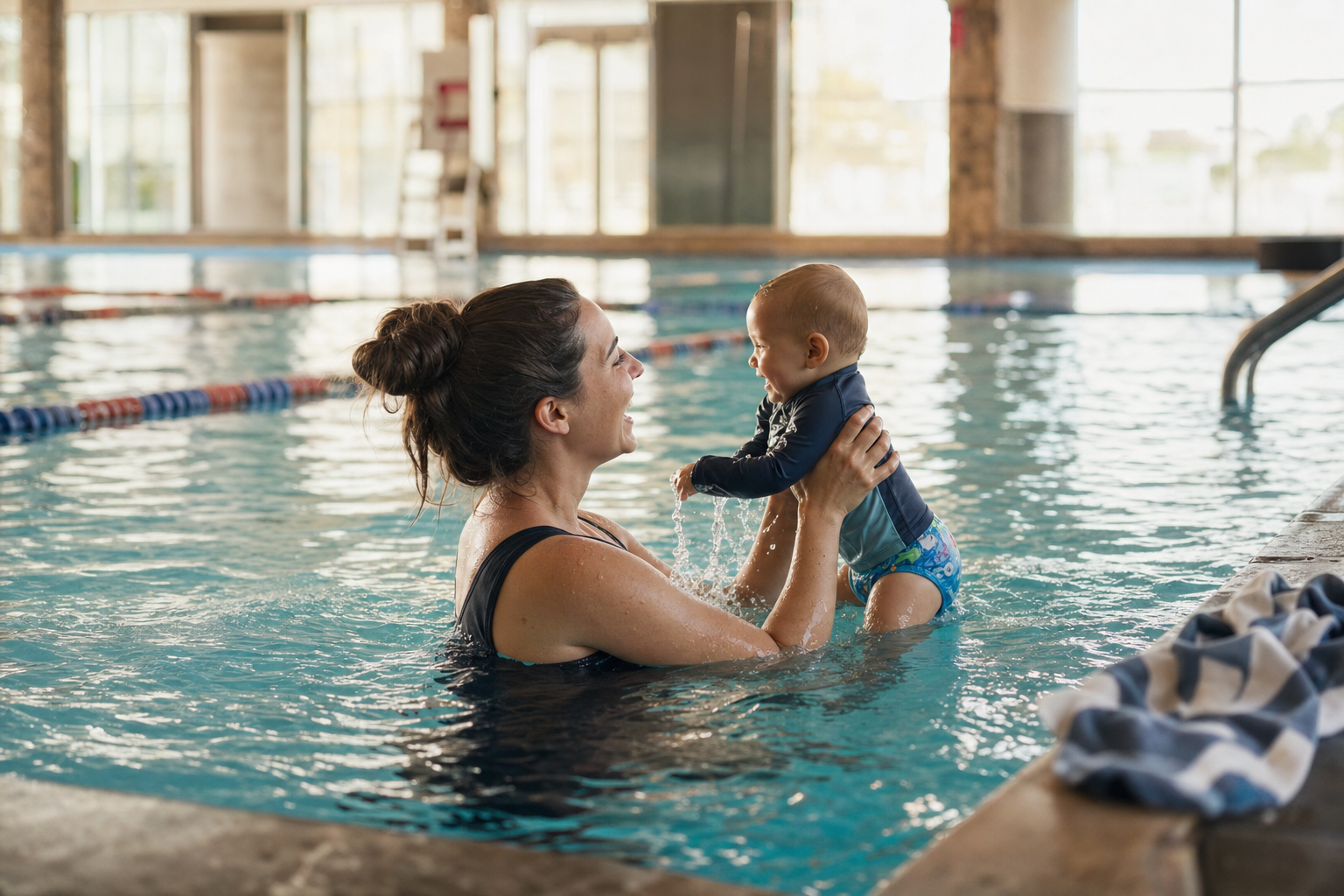
The first time your little one splashes in a pool can feel like a big leap. Before you dip in, here are what parents worry about most and what pediatricians and dermatologists say. You’ll learn what’s normal, what to watch out for, and when to call the experts—all so your baby’s first time in chlorine pool is low stress and fun.
When Is It Okay to Let a Baby Swim?
Most pediatricians recommend waiting until your baby is around 6 months old before letting them swim in a public chlorinated pool. At this age babies tend to have better head control and can regulate their body temperature more safely. (health.clevelandclinic.org)
Before six months, there are risks: water can irritate delicate skin and eyes, pool chemicals (especially chlorine) may be harsh, and babies lose heat more quickly than older kids. If you do take a younger baby in, make it brief and make sure all other safety steps are in place. (health.clevelandclinic.org)
Is Chlorine Safe for Babies?
Yes—with caveats. Chlorine is used to kill germs in pools, which helps protect little ones from illnesses. If chlorine levels are properly maintained, it should be safe for babies aged 6 months and older. (health.clevelandclinic.org)
But there is risk: chlorine can irritate sensitive skin, dry out hair, and sting eyes. For children with eczema or atopic dermatitis, chlorine exposure may trigger flare-ups or make symptoms worse. (onlinelibrary.wiley.com)
How to Protect Skin and Eyes During First Pool Sessions
You want that first experience to go smoothly. Here’s how to reduce irritation and protect their eyes and skin.
Before Swimming
Lightly coat sensitive areas like cheeks, behind ears, under arms, and diaper area with a gentle, fragrance-free moisturizer. This acts as a barrier. If your baby has mild eczema, emollients help. Wear goggles or a swim cap if you have them—eyes and scalps are especially vulnerable. (health.harvard.edu)
If you want a structured way to build water confidence at home, the 10-Week Plan guides you step by step.
While in the Pool
Keep sessions short—about 15 to 30 minutes at first. Water that's too cold or too full of chlorine fumes can be hard to handle. Monitor baby closely; if they shiver, look pale or blotchy, or seem uncomfortable, get out. (health.clevelandclinic.org)
After Swimming
Rinse off immediately after exiting the pool using plain, lukewarm water. This removes chlorine and helps prevent dryness and irritation. As soon as skin is damp, apply a thick, bland moisturizer (fragrance-free is best). (newsroom.clevelandclinic.org)
How Skin Reacts: What’s Normal, What’s Not
It’s common after a first chlorinated swim: skin might feel a bit tight, dry, or flaky; there might be mild redness. Tiny splashes in the eyes can result in watering or stinging briefly. Usually these resolve within a few hours after rinsing and applying moisturizer.
Something to avoid: swimming if baby has open wounds, oozing skin, or active eczema flare-ups. Also if the skin is infected or very sensitive. In those situations, waiting or consulting with a pediatrician or dermatologist is wise. (aad.org)
[[ctababy]]
How Soon Should You Take Your Baby to the Pool? Tips Based on Parent Forums + Expert Plans
Parents often ask: "Is chlorine safe for babies younger than 6 months?" In Reddit forums, some parents share that their babies went in pools at 2–3 months old with precautions like very warm underwater temperature, short swims, and rinsing off right away. Others wait until vaccines are done and head control improves. (reddit.com)
If you’re eager to ease your baby into swimming skills, the 10-Week Plan from swimy.org offers a gradual, safe way to build water comfort and confidence. This plan helps babies and parents get used to water exposure, step by step, with attention to safety and skin care.
When to Call the Pediatrician or Dermatologist
Reach out to a healthcare provider if after pool visits you notice:
- Skin irritation that worsens or doesn’t improve within 24–48 hours
- Swelling or blistering around the eyes, mouth, or any part of the body
- Signs of infection (pus, increased redness, warmth) or fever
- Significant respiratory distress, coughing, or wheezing—especially if baby is young or has known lung issues
Final Takeaway
A baby’s first time in chlorine pool doesn’t need to be stressing—it can be joyful, safe, and skin-friendly. Wait until your baby is around 6 months old if possible, use short swim times, protect skin and eyes, rinse off quickly, moisturize well, and avoid swimming during skin outbreaks. When in doubt, your baby’s doctor or a dermatologist can guide you especially if your little one has eczema or sensitive skin. Let the pool be part of positive memories, not worry.
120+ swimming exercises sorted by age — with video and instructions. Developed by swim instructors, completely free.

120+ swimming exercises sorted by age — with video and instructions. Developed by swim instructors, completely free.