Lake Floating Mats: A Parent’s Safety Checklist for Kids 5–12
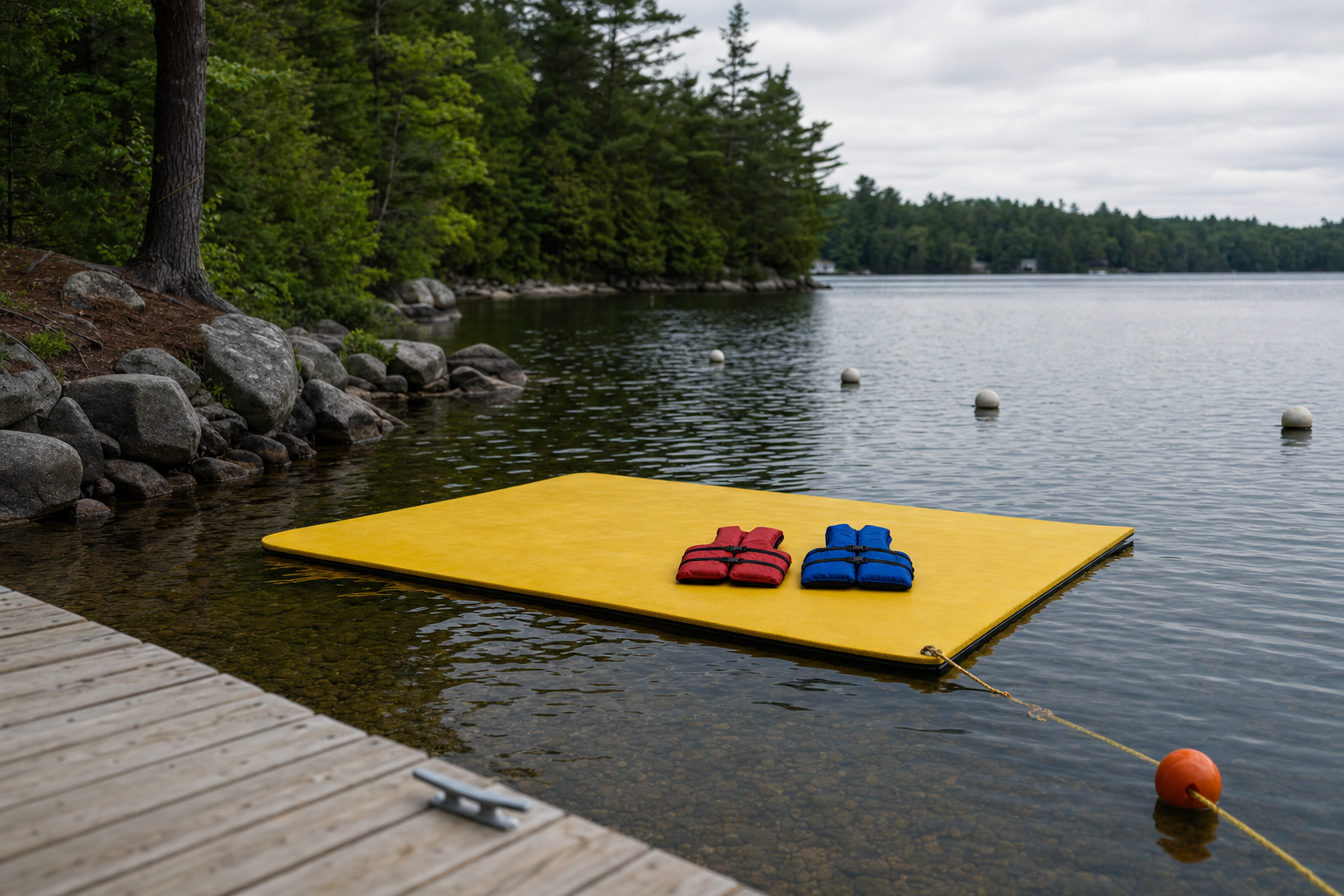
When you roll out the floating mat, it might look like a harmless island for kids aged 5–12—but under-mat entrapment, drifting into motor zones, or chaotic crowding can turn fun into danger fast. Here's your safety checklist to make sure your lake mat day stays safe and joyful.
Key Rules Kids Should Learn Before Climbing On
Start by teaching simple, clear lake mat rules. First, stay close: children should be within arm’s reach of an adult or a buddy, and always floating in eyesight. Share the space: mats can get crowded, so let everyone take turns climbing or jumping. Climb carefully: teach kids not to stand too close to the edge, always use steady footing, and avoid pushing or shoving. Don’t dive off the mat unless you know how deep the water is and there are no hidden obstacles under-water. These rules help prevent under-mat entrapment—when toes, hair or limbs get stuck under or between sections of a mat—and reduce collisions.
What Parents Need to Check Before Floating
Drift—why anchoring matters
Floating mats drift. When wind picks up, or currents shift, a mat can drift out of safe zones or toward boats. Proper anchoring is essential. Use strong anchors—grapnel or weighted types—and tether the mat securely. Avoid tying mats to boats with engines running. Exhaust fumes and propeller injury are real risks. Also double-check that anchors are strong enough for how many kids will climb on and how strong waves might get. Following guides on how to anchor water mats helps keep things steady.(aosom.ca)
Keep distance from boat traffic
Make sure the mat is well removed from propellers or boat wakes. Local lake rules often say maintain a certain distance between swimmers or floating platforms and powered vessels. In Texas, for example, kids under 13 must wear life jackets while the boat is underway, and PFDs must be abundant and properly fitted.(tpwd.texas.gov) Boats speeding through can cause dangerous wakes that wash kids off mats or smash into them.
Life-jackets are non-negotiable
A U.S. Coast Guard-approved life jacket is a must. Even for strong swimmers, in open water currents or unexpected wind gusts, floating devices or inflatables alone won’t guarantee safety. Experts reinforce that life jackets are essential for kids 5 and above when around lakes or swimming in open water.(uihc.org)
If you want a structured way to help your child progress at home, the 10-Week Plan guides you step by step.
Managing Environmental and Group Factors
Wind, water visibility, and weather change fast—especially in the afternoon. Even light breezes can push a large mat without strong anchoring. Teach kids to keep knees curled and stay towards the center when wind kicks in. Avoid using the mat in open water with strong gusts, or when clouds gather. Safety resources highlight these as major hidden hazards in open water for children.(safekids.org)
[[ctakid]]
Crowding is another issue. Limit how many kids can climb at once—too many people creates slip and fall risk, increases under-mat pressure, and strains anchors. Set time limits so kids don’t get too tired. Rested children make safer choices.
Routine Pre-Trip Prep
Headcounts & time limits
Always take a headcount before anyone jumps in, then again throughout the day. Have a clock or timer so kids know when it’s time for a break or swap. Fatigue lowers attention and increases risk.
Choose sheltered coves with shallow, even bottom
Coves offer protection from wind and boat traffic. Shallow zones mean that if something unexpected occurs—like someone slipping off the mat—they can still stand up. Avoid areas with tugging underwater vegetation or sudden drop-offs.
Teach swim skills early
While swim lessons aren’t guarantees, they give children knowledge and confidence in open water. An excellent resource like the 10-Week Plan from swimy.org offers structured practice that improves kids’ ability to stay safe near and in water. Incorporate that alongside your lake mat rules and prep.
What to Do During Lake Day
Keep the mat anchored tight, watch the weather, manage the crowd, insist on life jackets. Designate a “water watcher” adult who only watches kids—no phones, no lounging, full attention. If there’s a drift or wind picks up, bring the mat back closer to shore or dock. Avoid tying the mat to a moving boat; propellers and carbon monoxide are serious risks.
If kids must swim off the mat, they should use tethered swim lanes or ropes, and always with adult supervision. No one gets left unattended under a mat. Use bright colors or flags on anchor lines so boaters can see them.
After Floating: Review and Learn
Once you’re off the water, debrief with the kids. Ask them what they felt safe about, what scared them. Adjust your rules for next time. For example, maybe reduce numbers, change anchoring method, choose more sheltered location. Every lake day is a chance to improve.
Bottom Line
Floating water mat safety for kids ages 5-12 hinges on simple rules children understand, solid anchoring, proper distance from boats, mandatory life jackets, managed numbers, and close supervision. Use time limits, headcounts, and select light wind, sheltered spots. Avoid tying mats to active boats, drifting into danger, or letting kids play under unsupported areas of the mat. Follow this safety checklist and lake water mat rules will protect your family and let the summer memories shine.
120+ swimming exercises sorted by age — with video and instructions. Developed by swim instructors, completely free.

120+ swimming exercises sorted by age — with video and instructions. Developed by swim instructors, completely free.