Backstroke Straight-Line Fix: Ceiling Cues Kids Remember
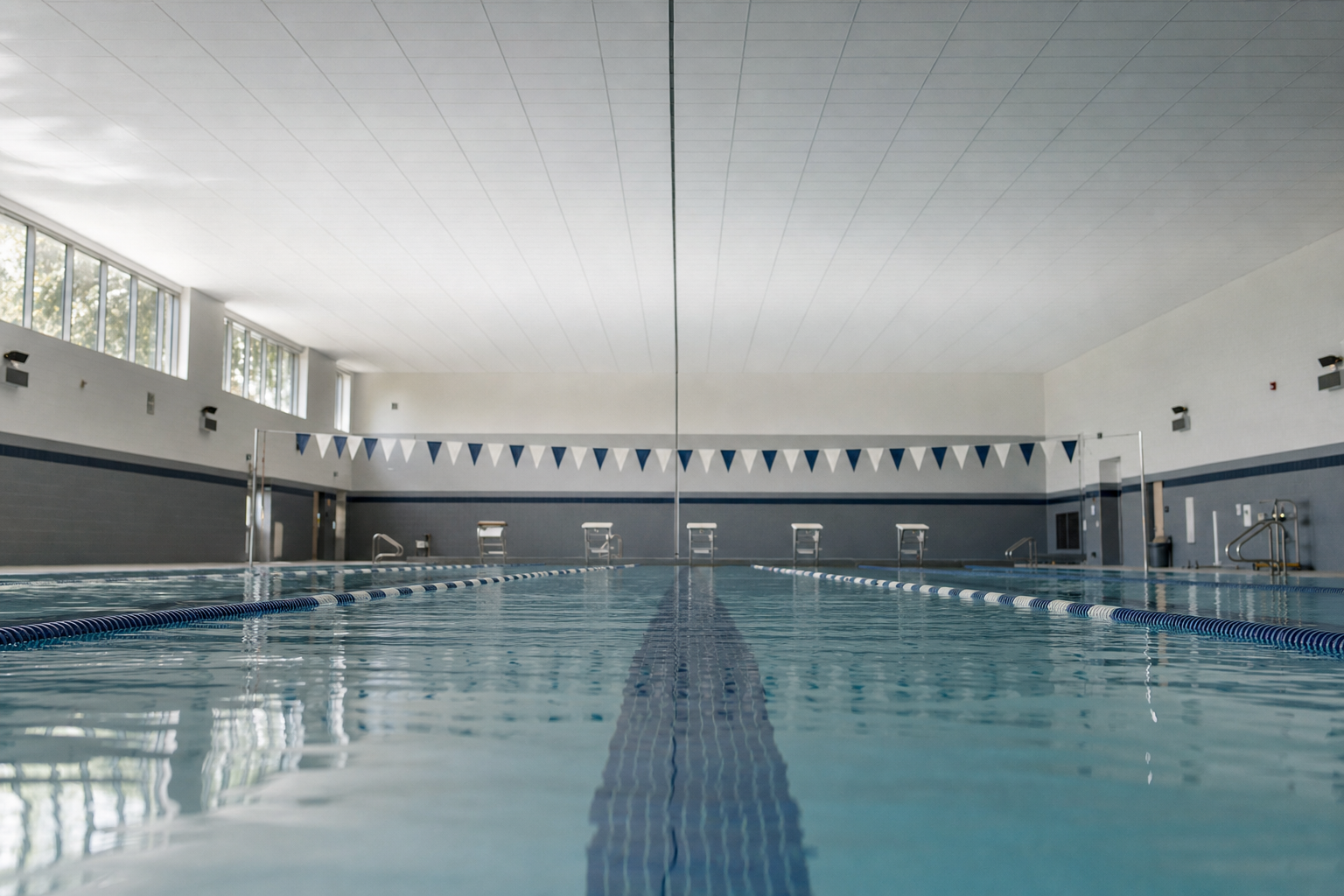
Want your child aged 6–12 swimming backstroke straight down the lane without always drifting into lane ropes or the wall? The two cues “thumb-out / pinky-in on entry” and “ceiling tile or beam visual track” plus a pair of easy drills will make a huge difference fast—without overwhelming your kid with technical detail.
Why Our Kids Drift in Backstroke
Drifting happens mostly because the arms cross the body’s midline on entry, shoulders over-rotate, or the swimmer isn’t watching any reference ahead. When a child’s hands enter too close to the center (crossing midline), the body pulls sideways. Over-rotating the shoulders without control magnifies this drift. Also, ignoring the backstroke flags at the ends of the pool means they rarely know when to begin the turn and often end up veering off.
Cue #1: Pinky-In Entry & Thumb-Out Recovery
Tell kids: when the arm comes out of the water, the thumb leads; when it re-enters, pinky goes in first. This “thumb-out / pinky-in” pattern ensures the hand stays aligned beside the shoulder—not crossing over toward mid-line. Experts agree: the entry should happen around the 11-o’clock or 1-o’clock positions, just slightly wider than shoulder width. (swimy.org) Crossing over removes power, creates sideways pull, and causes drift. Also keep the recovering arm straight overhead before turning the palm out and the pinky entering the water. (analysisswim.com)
Cue #2: Ceiling Tiles, Beams, or Lane Lines As Your Track
Kids can’t see where they're going in backstroke—but indoor pools usually offer overhead visual fixes like ceiling tiles, exposed beams, or the line between wall and ceiling. Teach them to pick one straight reference and “follow the line above.” In indoor training, sighting something overhead helps reduce drift nearly immediately. (liveabout.com) Use the backstroke flags too: once they pass under the flags, start counting strokes to the wall—this forces better alignment and fewer surprises at flip turn. (usms.org)
If you want a structured way to help your child progress at home, the 10-Week Plan guides you step by step.
Two Quick Drills For Straight-Line Fix
These drills are easy, fun, and focus attention where it matters—without overthinking body mechanics.
Drill A: Single-Arm Pinky-First Practice
Have your child swim backstroke using only one arm while the other rests at their side. Emphasise “pinky first” entry on the active arm. Arms enter at around 11-o’clock or 1-o’clock. The resting arm acts as a rudder, letting the child feel what straight swimming feels like. Once comfortable, switch sides. Use less speed, more control. Clean entries reduce drift fast. (sgsinkorswim.com)
Drill B: Visual Ceiling Path + Flag-Stroke Count
Start mid-pool in an indoor lane with a visible ceiling seam or beam. Swim backstroke, picking that ceiling line as your aim. Once under the flags, count the strokes to the wall. If the child hits lane rope or wall early, that signals drift. Adjust by moving each arm entry slightly wider or softer. This combines both ceiling cues and backstroke flags, reinforcing straight paths and good entries. (usms.org)
[[ctakid]]
Common Pitfalls & How to Avoid Them
- Crossing the midline on entry: Fix with pinky-first entries and reinforce the idea of entering beside each shoulder, not in front.
- Over-rotating too early: Teach gentle shoulder/hip twists of about 30-40°, not full flips. Let rotation follow the arm entering. (swimclass.sg)
- Ignoring the flags: Help kids practice counting strokes from the flags so they know when to turn—and keep straight in those final few strokes.
How Many Times (and How Often)
Practice the two drills once or twice per swim session—just 5–10 minutes each. Use cheap tools: goggles that give an overhead view, or short lanes where you can supervise. Also, build in progressive learning: start with floating + kicking, then add arm work one side at a time, using cues only when needed. This approach shows steady improvement without overloading the child. Swimy’s 10-Week Plan gives that exact kind of stepping-stones structure for kids learning backstroke—from floats up to full strokes. (swimy.org)
Final Thoughts for Parents
Set realistic goals: fewer side-swipes, cleaner entries, visible ceiling line. Praise progress: “Nice pinky-first entry!” “Great job following the ceiling beam!” Keep sessions short, encourage rest, keep feedback positive. Even a few weeks of practicing drills + cues will show your child swimming backstroke more confidently and straight.
When kids master the visual tracking and entry cues, they’ll swim straighter, turn cleaner using the flags, reduce fatigue from fighting sideways drift—and enjoy backstroke more. And that’s the best motivation of all.
120+ swimming exercises sorted by age — with video and instructions. Developed by swim instructors, completely free.

120+ swimming exercises sorted by age — with video and instructions. Developed by swim instructors, completely free.