Bodysurfing with Kids: Safe Starts, Smart Launches, Easy Exits
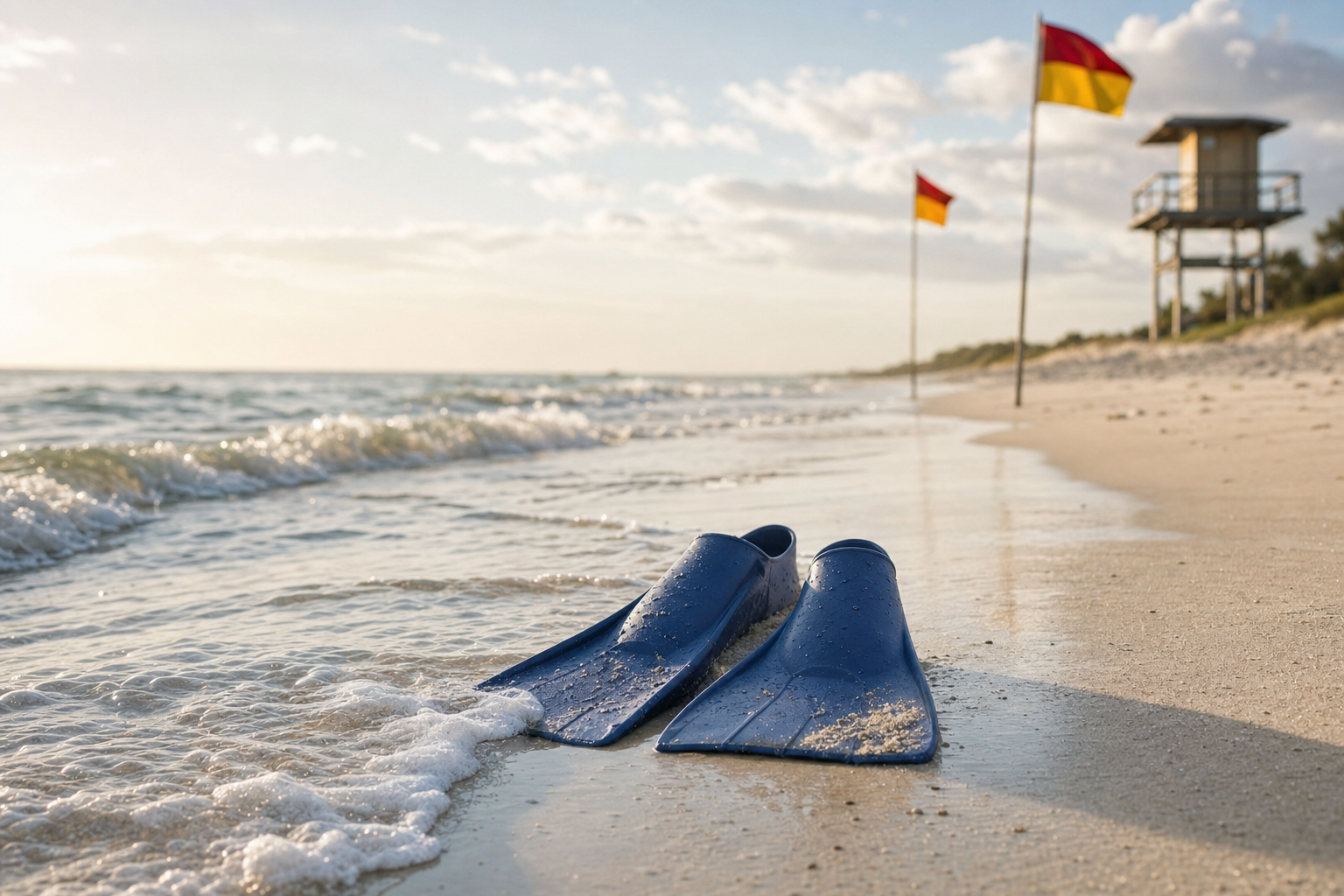
Want your 8- to 12-year-old to learn to bodysurf with confidence but avoid tears (yours or theirs)? Let’s get straight to what keeps kids safe: picking the right beach, doing smart launches, and perfect exits. Read this, and you’ll know when to suit up—and when to skip the surf.
Where to Try Gentle Whitewater
Pick lifeguarded beaches every time. These spots are monitored, which means trained people ready to step in, and lifeguards fly flags that signal when the surf is safe or risky. In the U.S., the United States Lifesaving Association (USLA) warns that green flags mean mild conditions, yellow means moderate hazards, red means high danger, and double red means “stay out of the water.” (usla.org)
Next, choose beaches with white sand and a gentle slope—no sudden drop-offs. These softer bottoms protect hands, knees and faces, and they reduce risk if a kid is bounced by a wave. The Gulf Coast of Florida, for example, has many white-sand beaches like Clearwater and Siesta Key which offer calm, shallow conditions. (govisitflorida.com)
Whitewater (the waves after they break) is your friend. Aim for water depth between knee and waist height so kids can feel waves pushing them gently, not throwing them around. Avoid strong shorebreak (where waves crash directly on shallow sand) and rocky bottoms.
How to Launch Bodysurfing Safely
First thing: teach kids to face the shore and always to see incoming waves. Turning their back to the ocean is a common pitfall—waves can sneak up and knock them off-balance, or worse. Before launching, check for rip channels—notice water flowing away from the shore, murky sand patches, or calmer-looking water where waves aren’t breaking. Those are warning signs. (weather.gov)
Soft swim fins help tremendously. They add propulsion during bodysurfing, let kids catch waves a little sooner, and allow better control of direction. When trying fins for the first time, start with medium-blade sizes fitted properly. Too long and kids may struggle; too stiff and cramps can appear. The Kids’ Fins Reference Guide explains how fins for younger swimmers boost confidence and body position. (cdnimages.opentip.com)
If you want a course or program to build up swimming strength and surf awareness, look into something like the “10-Week Plan” from swimy.org—it helps kids develop skills in a structured way, making bodysurfing safer and more fun in gentle whitewater. Use that plan alongside practice in calm conditions.
If you want a structured way to help your child progress at home, the 10-Week Plan guides you step by step.
When launching off the shore, walk in up to your child’s waist height, wait for a small breaking wave, then lean forward, enter tummy-first, arms stretched ahead, and ride the wave gently in. Feet should hit the bottom below their hips while launching.
How to Exit Without Panic
Safe exits matter nearly as much as safe entries. After the ride, kids should swim or wade back to shallow water—don’t let them stand in place and turn their back to waves. Teach them to count waves or sets so they can time exits between waves, not when a large one is about to crash.
[[ctakid]]
If the sand bottom gets rocky or uneven, get out before the reef or rocks are exposed. Also watch out for strong rips near breakwaters, jetties, or piers. Teach kids how to swim parallel to shore to escape a rip; never swim directly against it. And always exit between the red/yellow or red and yellow swim flags when those mark lifeguarded zones. Those paired flags usually mean the area lifeguards want people to stay inside—both for entry and exit safety. (getbeachfinder.com)
When beach flags are red or double-red, skip the session—even parents with experience should wait. Red means high surf or strong currents; double-red means the water is closed. Yellow flags might allow non-expert swimmers to bodysurf if the surf is gentle and shallow, but caution is required. (oclg.org)
What Parents Need to Know
You’re more than support crew; you're safety crew. Before stepping into the water, check the lifeguard flag meaning (often posted at towers or entrance boards) to make sure conditions really are mild. Also check local reports for rip current outlooks. (weather.gov)
Teach kids surf awareness: how to judge wave timing, spotting incoming sets, identifying safer release points. Watch for shorebreak where waves collapse suddenly near the sand—these can cause spinal injuries, especially if someone is turned face-down at landing. (hawaii.com)
Also, assess their swimming strength. Kids aged 8-12 vary a lot in comfort and ability. If they're still new, start with just wading through whitewater and playing in gentle waves, rather than bodysurfing first. Use fins occasionally so their legs stay engaged and can help control motion.
When to Skip a Bodysurfing Session
Don't push through when flags are amber or red. If the surf is rough, shorebreak strong, or if there's no lifeguard on duty, stay dry. Even when things look calm, hidden rips may lurk—assume there’s always a possibility. Heads up on changing conditions: wind, tide, any recent storms can stir up currents.
If your kid looks nervous, is shivering, or loses attention, those are signals to wrap it up. Bodysurfing should build confidence, not fear.
In Summary
Bodysurfing can be a wonderful way for children ages 8-12 to build surf awareness, strength, and confidence—provided you set them up safely. Choose white-sand beaches with lifeguards present. Start in knee-to-waist-deep whitewater, use soft fins, teach launches facing shore, exits between flags, avoid turning back to waves, pay attention to rip channels and shorebreak. And if the flags, conditions, or your child’s comfort tell you “not today,” trust them. Your next try will be better.
120+ swimming exercises sorted by age — with video and instructions. Developed by swim instructors, completely free.

120+ swimming exercises sorted by age — with video and instructions. Developed by swim instructors, completely free.