Canals, Reservoirs, and Quarries: Kid‑Safe Rules for Cold, Deep, Fast‑Changing Inland Waters
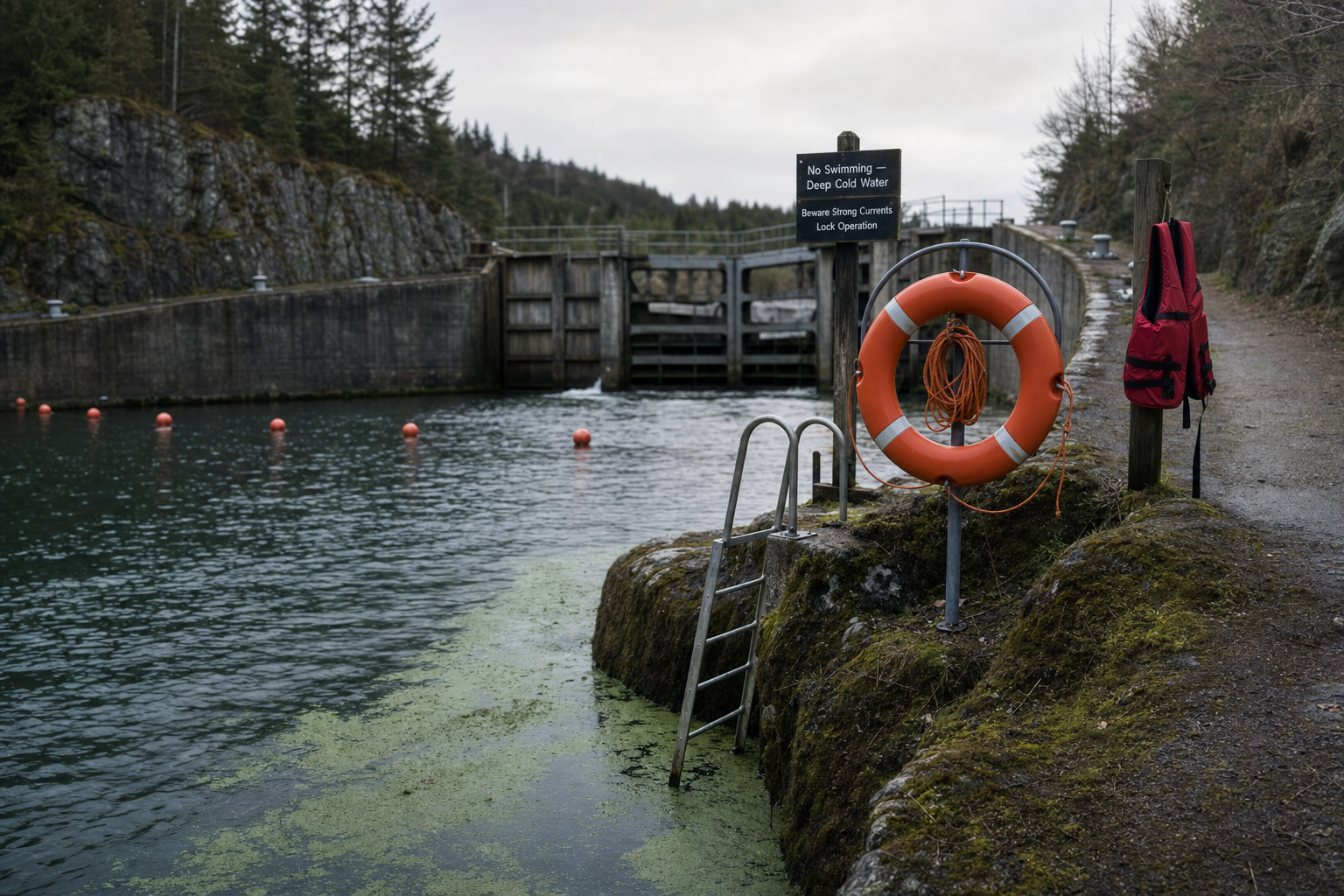
When you reach the water’s edge on vacation, city walks, or hikes, it’s easy to think that calm water means safe water. But for children aged 6–12, inland waters like canals, reservoirs, and quarries come with hidden risks—cold shock, steep banks, underwater hazards, boat traffic, and more. Here’s your go/no-go checklist plus tips to help kids spot dangers and find safer spots to enjoy the water.
Most urgent safety signals parents should watch for
Before letting kids get wet, check these warning flags. If any apply, it’s a hard no-swim.
Start with water temperature: sudden cold water—anything from about 50-60°F (10-15°C)—can trigger cold shock. Breathing spasms, panic, loss of control happen within seconds. Even strong swimmers may not handle it.(weather.gov)
Next: depth and drop-offs. Many quarries and reservoirs have steep underwater slopes or hidden ledges that fall off without warning. Even a solid jump from a ledge can land a child in water too deep or cold.(corporate.unitedutilities.com)
Then boat or canal traffic. Canals often have boats, barges, unexpected currents near locks, hidden machinery—these are easy to underestimate. Play near canal edges or near locks without planning and adults in place can lead to disaster.(canalrivertrust.org.uk)
Finally, watch for water warnings or signs, especially for blue-green algae (cyanobacteria). Discoloured surfaces, slime, weird smells? Even if it looks harmless, children are more likely to swallow water or touch toxins accidentally. Authorities may post advisories, but it’s smart to assume caution if unsure.(epa.gov)
Go/no-go checklist: decision time
Use this checklist with your child before getting in. If any one item is not clearly safe, stay out.
Ask: Is swimming allowed here, legally and physically? (If access is prohibited, signs usually explain why.) Has the water been tested or are there advisory signs? Is water or air unexpectedly cold? Are there steep banks, hidden drop-offs, submerged hazards like rocks or debris? Do inflatables give a false sense of security—for both boat and water play? Are boats or canal traffic near by, especially around locks and currents?
If you want a structured way to help your child progress at home, the 10-Week Plan guides you step by step.
Also: does your child wear a properly fitted life jacket if needed? Are they a confident swimmer in open water? Have they learned safe exit points? Discussing the “What if” scenarios (cold shock, trapped beneath weeds, current pulling them) reduces panic later.
Teaching children spot-dangers: rules plus recognition
Children in mid-elementary years can learn to identify danger: teach them to pause, observe, question. Steep, slimy banks are hard to climb out of. Look at the water surface: smooth can hide depth change or underwater obstacles. Reeds, stump-trees beneath, submerged machinery—all hidden risks. Boat wakes, tunnels of barges, noise of motors—these are clues. And teach them about canal lock hazards: flowing water, machinery, heavy gates. Never play near intakes or outflow sluices.
[[ctakid]]
Also show them blue-green algae looked like spilled paint, frothy scum, green mats, or off colour. Explain it might smell weird and even when it doesn’t, toxins may be present. If water “smells bad” or has warning signs, stay out.(cdc.gov)
Here’s a smart idea for skill-building: enroll kids (and parents) in an open water swimming or water safety program. The “10-Week Plan” from swimy.org teaches water awareness, cold water response, and safe practices for school-age swimmers. This kind of structured learning makes all the difference when real risks pop up. (That’s the “10-Week Plan” of swimy.org.)
Safer alternatives: water fun without the fright
When the real water situation fails the checklist, pick safer options. Shallow wading pools or splash pads give water time without drop-offs or currents. Designated, lifeguarded beach areas in lakes or coastal zones are monitored. Public swimming pools allow temperature control, clarity, fences, rules. Even park ponds with low water and supervised bounds are much safer than quarries or reservoir edges with unpredictability.
If you do go into reservoirs, choose parts marked for swimming, avoid intake zones, stay in sunny more shallow bays, stick close to shore. Bring spare warm clothes and plan exit paths. Always swim with adult supervision and ideally more than one adult. Never let children swim alone.
What to do in emergencies
If a child is caught in cold water shock, help them to float on back, arms out wide, legs slightly apart. Keep calm to avoid inhaling water. If someone is in trouble, shout for help—don’t enter the water unless you’re trained. Use a rope, long branch, or throw something buoyant. Call emergency services right away. At canal or reservoir sites, noting bridge numbers, locks, or landmarks helps responders. Teach kids these rules, practice drills at home so in a panic they remember.
Everyday parent rules (ages 6-12)
Never jump into water unless depth and conditions are verified. Never chase toys or pets into canals or reservoirs—stop and use tools instead. Never use inflatables like tubes, rafts or floaties instead of life jackets. Always put life jackets where needed. Always stay off canal edges or cantilevered structures. Teach buddy-systems: swim with others and have someone on shore watching. Avoid swimming after rainfall, at night, or when visibility is bad. Be especially cautious of cold water effects: even brief exposure can reduce muscle control and judgment.(weather.gov)
Quick summary you can use
Spot steep bank? Check depth first. Cold water? Stay out unless fully prepared. Boats? Keep distance, obey canal traffic rules. Warning signs? Follow them. Algae? If in doubt, stay out. Inflatables? Nope—not for open water. Always wear life jackets, swim with adult supervision, and treat every water body as it might hide dangers.
Sticking to this family-friendly safety routine helps kids enjoy nature without the fear. Water can be part of great memories—just make sure they’re healthy ones.
120+ swimming exercises sorted by age — with video and instructions. Developed by swim instructors, completely free.

120+ swimming exercises sorted by age — with video and instructions. Developed by swim instructors, completely free.