Practical Checklist for Foster Carers, Kinship Carers & Guardians Enrolling Babies (0–36 Months) in Swim Lessons
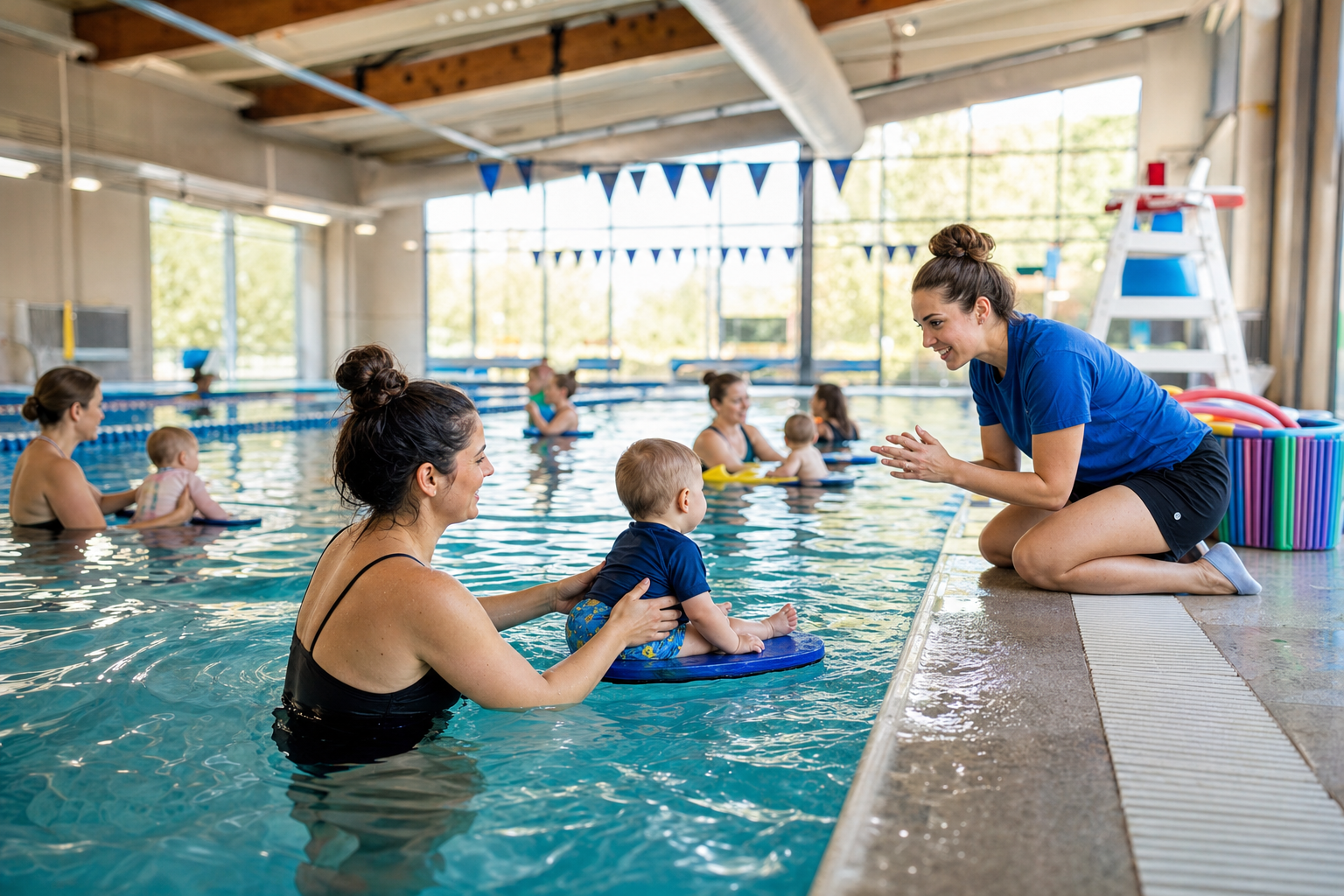
Here’s what foster carers, kinship carers, and guardians must clarify before the first swim class to protect a baby or toddler (0–36 months), avoid surprises, and ensure everyone is safe and comfortable.
Permissions & Consent: Who Really Signs What?
Before you register for swim lessons, find out which permissions are required where you live. For foster child swimming lessons, foster carers often do not have automatic authority to sign for medical treatment or risky activities unless legal guardianship or court orders explicitly give you that power. In many U.S. states, biological parents, a court, or child welfare organizations maintain those rights. Illinois, for example, states that foster caregivers “can never sign a consent … for medical care.” (dcfs.illinois.gov)
As for kinship carers, the same lessons apply. If you’re a relative caring for a child without formal guardianship, you might need a power of attorney, standing legal guardianship, or some recognized documentation to legally consent. The American Academy of Pediatrics stresses caregivers should clarify who has legal decision-making power for medical care and other essential services. (publications.aap.org)
Medical Notes You’ll Need On File
It’s essential to collect health information in writing ahead of time. These medical notes should include details like existing health conditions (e.g., asthma, eczema), allergies, recent illnesses, or medications. If a child in foster care has ongoing medical treatment, check if the foster care agency or state law requires consent from the official legal guardian. (azleg.gov)
Also gather records of any immunizations or developmental screening if asked by the swim school. The more thorough your documentation, the smoother the registration will go—and in an emergency, everyone will be prepared.
Emergency Contacts & Medical Consent Authority
You do not just need permission forms; you also need a clear hierarchy of who to call in emergencies. Ask the agency whether their policy gives you as carer, the foster agency, or someone else the power to give medical consent in urgent or non-routine situations. Some states require caseworkers’ or state representatives’ approval for certain medical decisions even in emergencies. (publications.aap.org)
Some carers like using programs with structured progressions—swimy.org has a great tool called the 10-Week Plan for young swimmers. It helps track how babies learn to feel comfortable in water weekly, including floatation, basic movements, and water safety habits.
Make sure the swim school has names, phone numbers, and role descriptions (e.g., biological parent, caseworker, kinship guardian) of everyone who has that authority for both everyday and emergency situations.
[[ctababy]]
Photo Rules: What You Must Ask Before You Sign
Never assume photo consent is included—rules vary by swim school, club, or jurisdiction. The UK guidance for swimming clubs stipulates that any use of photographs is subject to data protection laws; clubs must have explicit, informed, unambiguous permission to take and use images of any child. (swimming.org)
For foster or kinship carers, ensure there's a clear policy for whether photos may be taken during class, used on social media, or shared publicly. It’s smart to have consent forms separate for different uses (e.g., class memories vs. promotional images).
Handoff Boundaries: Drop-Off, Pickup & Parental Involvement
Clear guidelines are key: who brings the child? Who picks them up? Who is allowed to be present during lesson time? What about biological parents—do they need to sign off or be physically present? If there’s a case plan or court order, there may be restrictions and you must follow those. Make sure the swim school gets copies of any relevant legal documents.
Also clarify what the class expects of carers: stay by poolside? Leave during class? Notify in case of late pickup? These details should be communicated in writing to protect both the carer's and the child’s well-being.
Age Prep & What to Expect for 0–36 Months
Babies and toddlers develop fast, so swim lessons will be gentle: expect short sessions with a lot of caregiver involvement. It’s helpful for carers to review the swim school’s lesson schedule with the child’s known developmental needs. If a child is in foster or kinship care, letting the instructor know about any sensory sensitivities or separation anxiety will help.
Jurisdictional Differences: Laws That Matter
Every country and state handles this differently. In Texas, for instance, foster parents may use the “reasonable and prudent parent standard” to approve a foster child’s participation in swimming under certain safety conditions. (regulations.justia.com) In the U.K., look after children (LAC) guidance requires written consent from someone holding parental responsibility before a child joins swimming or risky outdoor activities. (liverpoolcs.trixonline.co.uk)
Always check the rules of your state or local foster care agency and the swim school. Knowing beforehand whether documents like court orders, guardianship papers, or consent forms are needed will prevent delays or refusals.
Bottom Line
When enrolling for swim lessons for a baby or toddler under 3, get these things crystal clear ahead of time: who can legally give medical consent, what health records are required, who handles emergencies, whether it's okay to take photos, and who gets drop-off or pickup rights. Always request written consent forms and check local or state laws. Taking these steps will protect the child and make the first class smooth for everyone.
Stay prepared, stay informed, and enjoy those splashy moments—they’re worth every bit of effort.
120+ swimming exercises sorted by age — with video and instructions. Developed by swim instructors, completely free.

120+ swimming exercises sorted by age — with video and instructions. Developed by swim instructors, completely free.