Cranial Helmets and Pool Time: Safe Swim Routines for Babies in Helmet Therapy
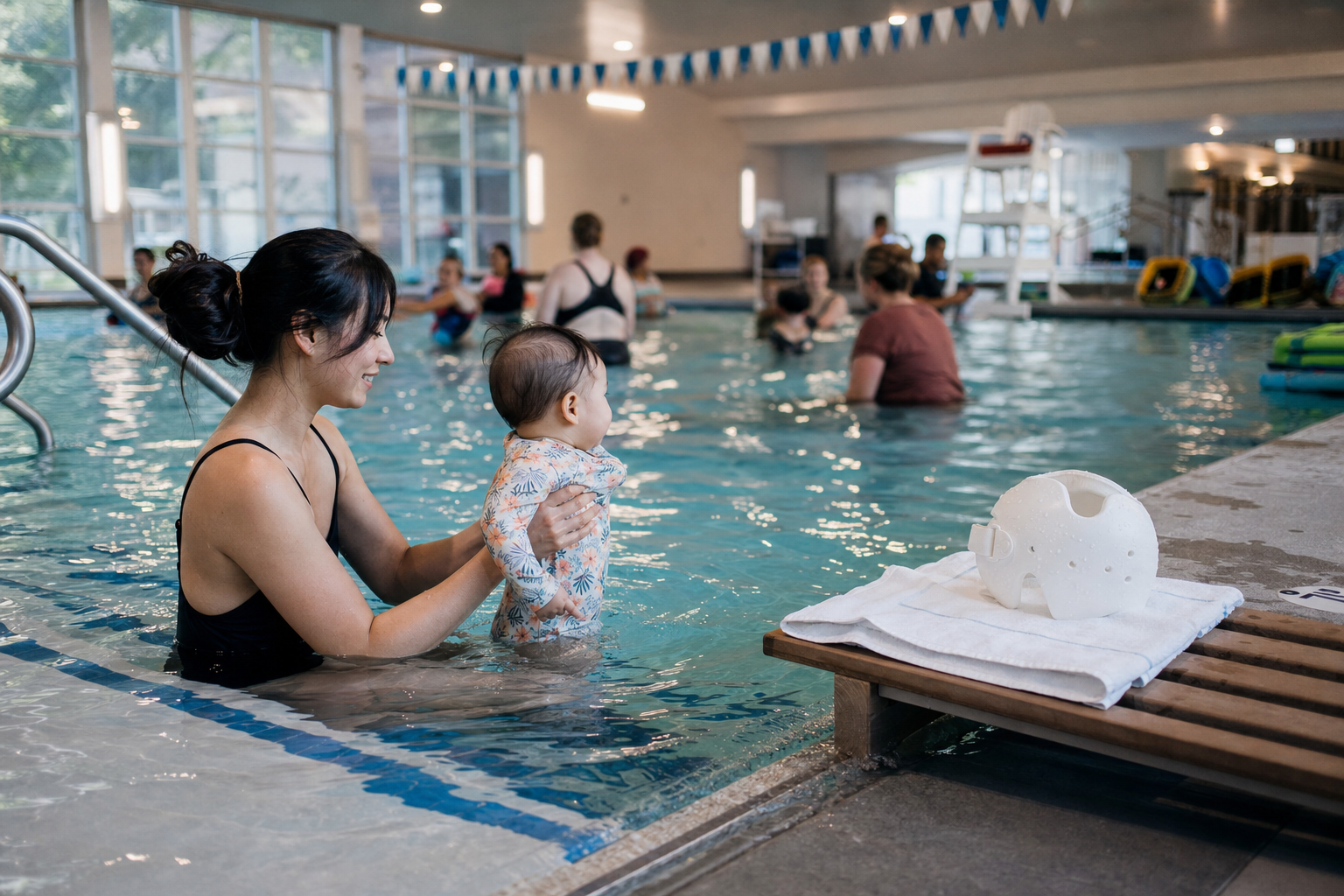
Parents often ask straight away: can my baby in a plagiocephaly helmet still go swimming? The short answer: yes—*but only when you carefully follow your orthotist’s care plan. Cranial helmets should generally be removed for pool sessions. Always ensure both the baby’s scalp and the helmet are completely dry before putting the helmet back on.(nicklauschildrens.org)
Here’s a detailed guide for babies aged about 4 to 18 months—when helmet therapy is most common—on keeping swim routines healthy, safe, and effective without harming the orthosis.
When Should the Helmet Come Off for Swimming
Most helmet therapy programs, including those at major children’s hospitals, say to remove the helmet during all water-based activities—swimming pools, baths, even showers. The helmet and band material plus foam lining are not meant to be submerged or wear down from constant moisture.(s-sitecore.choa.org) If any part of the helmet gets wet, skin irritation, odor, and even mold can develop if it's not dried properly.(s-sitecore.choa.org)
Also, helmets are meant to be worn around 23 hours per day, with brief time off for hygiene and hair care. That means swim time needs to fit into these breaks without reducing required wear hours.(uofmhealth.org)
How to Dry Baby’s Hair, Scalp & Helmet Before Re-Wearing
After swim class, it’s critical to get everything dry. Start by rinsing your baby’s hair well if it’s exposed to pool water, especially to remove chlorine or sunscreen. Wash the hair gently with a mild baby shampoo to prevent buildup or irritation.(nicklauschildrens.org)
Next, gently towel-dry both baby’s head and helmet. Then allow them to air dry completely. Some parents use a hair dryer on cool or low setting, but check with the orthotist first—hot air can warp or melt foam components.(s-sitecore.choa.org)
Ensure every surface touching the skin—inner foam, straps, pads—is dry. Even slightly damp material pressed against the scalp can lead to rashes, odor, or bacterial growth. When everything is fully dry and the skin looks healthy with no red spots, you can re-strap and re-apply the helmet.(s-sitecore.choa.org)
Around halfway through your helmet therapy course, many parents include additional enrichment like swimming routines. If you’re available, explore resources like the 10-Week Plan that help build safe water skills during and after cranial helmet treatment—always aligned with what your orthotist recommends.
What to Confirm with Your Orthotist
Every baby’s helmet therapy plan is unique. Before adding swim time—or resuming it—check these with your orthotist:
- Written Care Plan: Do you have clear instructions for water exposure? Many providers include “remove for swimming” in their care sheet.(s-sitecore.choa.org)
- Material Compatibility: Some helmets or bands may be more water-resistant than others. Ask whether yours is safe with pool water, or if there are special accessories to protect it when wet.
- Wear Schedule Adjustments: Swim times should not cut into the 23-hour daily goal. Ask how pool class fits in without losing molding progress.
- Signs to Watch For: Learn what red marks, smell, or slippage mean—and what to do if they appear.(uofmhealth.org)
[[ctababy]]
Age Range, Treatment Amount & Why Timing Matters
Helmet therapy works best when started early—around ages 4 to 6 months—and becomes much less effective after 12 to 18 months as the skull growth slows.(uofmhealth.org) Most babies wear the helmet 23 hours per day, with treatment lasting anywhere from 3 to 5 months typically.(cns.org) Because pool classes often require scheduling during strong daytime hours, minor adjustments may be made, but not at the expense of required wear time.(hopkinsmedicine.org)
Safety Pitfalls to Avoid
Putting the helmet back on while it—or the baby’s skin—is still damp is probably the most common mistake. That can cause skin irritation (redness, rashes), odor, and risk of infection.(s-sitecore.choa.org) Another mistake is skipping swim sessions out of fear but then failing to recover the lost time wearing the helmet—reducing the therapy’s effectiveness. Always record wear hours and follow up with the orthotist when you resume after water breaks.
Final Thoughts
Swimming while in a plagiocephaly helmet isn't off-limits. It just demands some extra care—removing the orthosis, drying everything thoroughly, confirming care instructions with your orthotist, and protecting the therapy schedule. Get it right, and your baby can continue to enjoy the water without compromising helmet progress.
Always remember: follow your orthotist’s written care plan rather than relying on memories or general tips. If something doesn’t feel right—skin discoloration, foul smell, loose fit—call your orthotist. With thoughtful care, swim time can be part of the therapy journey, not a setback.
120+ swimming exercises sorted by age — with video and instructions. Developed by swim instructors, completely free.

120+ swimming exercises sorted by age — with video and instructions. Developed by swim instructors, completely free.