Dusk Glare at Pools: Make a Safer Call
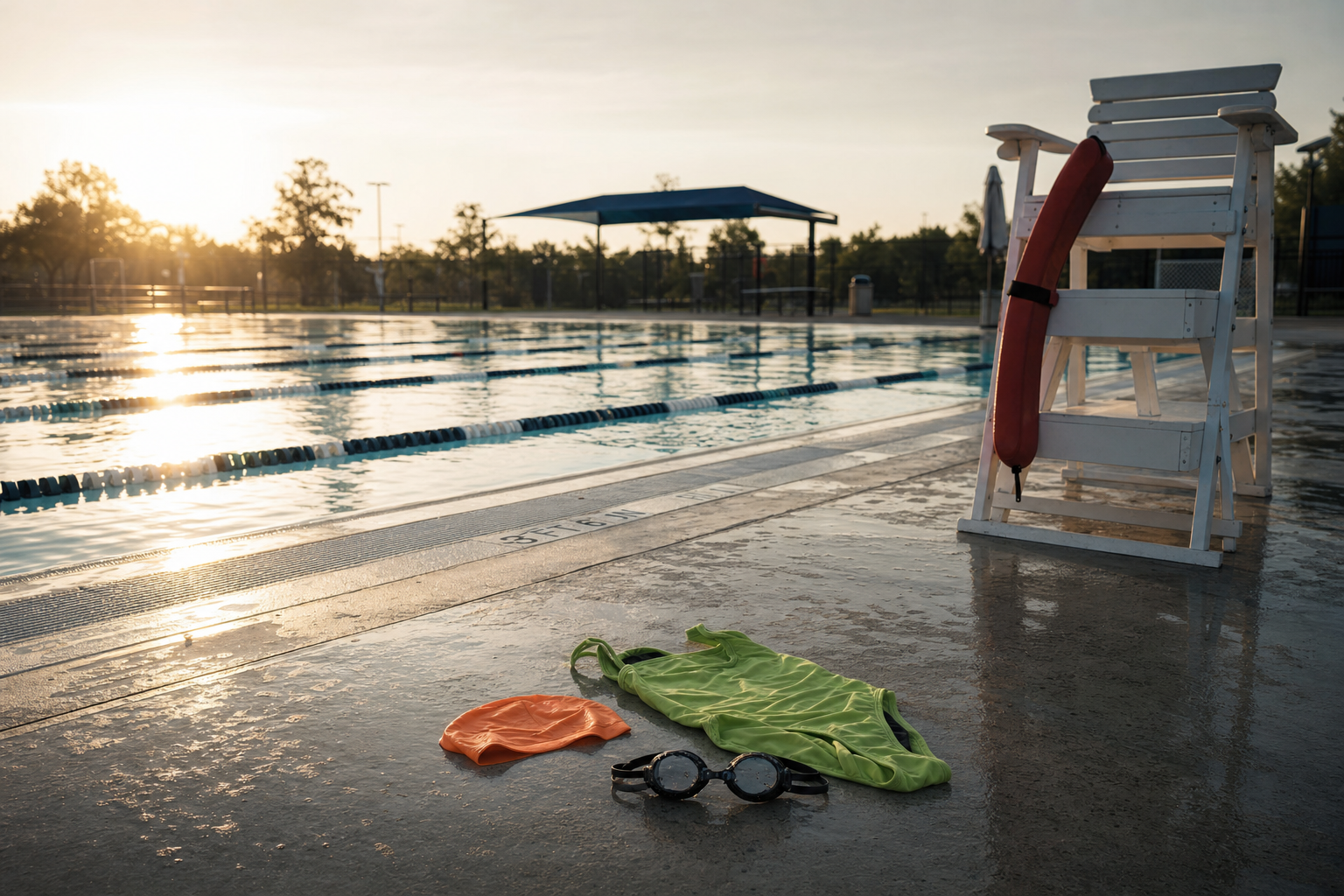
Even if your little swimmer aged 3–12 is confident in the water, evening glare can hide someone in trouble. If the sun angle means thick glare across the pool’s surface, you might not spot a struggling child until it’s too late. When that happens, skip the swim, switch the lane, or come back later. This is your safety call – and it's worth it.
How Sun and Glare Hide Danger
As evening approaches—late spring through summer—the sun sinks low and paints sharp light across water. Lifeguards struggle to see through this glare, even in busy facilities with professional coverage. Research shows that light reflected from windows or skylights, dark pool bottoms, and many swimmers create visual chaos that makes recognizing a submerged victim very hard.(onlinelibrary.wiley.com) When the surface shines too bright, a child’s head, arms, or face can disappear underneath the glare. Your eyes simply can’t focus below that reflection.
Must-Check Before the Evening Swim
Before diving in, evaluate visibility, lifeguard cover, and lighting together. Here’s what families should consider:
- Check where the sun is setting relative to the pool. If glare reflects directly into your line of sight, visibility drops fast.
- See if the pool has lifeguards and ask whether they ever shift positions at dusk. They may not always be able to see beneath harsh surface glare.(ilsf.org)
- Look for pool lights already turned on and whether lighting is diffuse (even spread) or harsh and direct. Diffuse light or indirect lighting sources behind lifeguards reduce glare significantly.(researchgate.net)
- Choose timing: early evening (shortly before sunset) or later once dusk has set in might both have glare issues, depending on your location and pool layout. Sometimes mid-morning or late afternoon is safer.
If you notice that glare is strong enough to block your or the lifeguards' view of swimmers below the water surface, shift lanes so the sun isn’t directly ahead, swim earlier, or skip evening swimming entirely.
Bright Gear Makes a Big Difference
Clothing and accessories aren’t just cute—they help you spot kids under tricky lighting.
- Swimsuits and swim caps in neon orange, yellow, pink, or lime green contrast sharply with pool water, reflections, and shadows. These colors are easier for both you and lifeguards to see, especially when the water surface problem worsens.(health.clevelandclinic.org)
- Avoid dark or muted colors such as navy, black, grey, pale green, or even white near sunset—these shades blend into water, shadows, or glare and vanish quickly when a child goes underwater.(riseandshine.childrensnational.org)
- Use contrasting swimwear pieces—or better yet, pair bright caps with bright suits to highlight both the body and the head. The head is often what you first spot when someone is in distress.(bmc.org)
[[ctakid]]
If you want a structured way to help your child progress at home, the 10-Week Plan guides you step by step.
Practical Tips to Boost Visibility
You don’t need high-tech equipment; some simple timing and habits go a long way:
- Swim earlier in the evening so the sun is not directly in your or the lifeguard’s sightline.
- If stuck with glare, switch the lane or side of the pool so you’re looking toward the shade or away from the sun.
- Bring polarized goggles—while they help you see, they don’t help lifeguards. So still choose bright swimwear and keep children in clear view.
- Ensure children wear bright caps. When heads bob above bright water or glare, neon caps stand out—they help you and guards follow movement.
- Teach kids to swim in shallow water near you whenever glare is possible so underwater visibility matters less.
Parents in swim lessons know how crucial visibility is during dusk. If your child is part of a structured program like the 10-Week Plan by swimy.org, learning safety habits like picking visible swimwear and assessing light angles early becomes second nature. Embrace those tips outside lessons too.
Avoiding Common Pitfalls
These assumptions can hurt visibility and safety:
Thinking lifeguards can always see through glare. Even trained eyes and elevated stands sometimes fail under extreme sun reflection. Research shows that glare and surface reflection make detecting submerged victims nearly impossible.(onlinelibrary.wiley.com)
Believing dull or popular colors are “good enough.” Dark bottoms, camo prints, muted tones—they may look stylish, but they fade into shadows and glare quickly. Bright colors save seconds—and those can save lives.(riseandshine.childrensnational.org)
Assuming lighting won’t change. As the sun sets, the glare angle changes. Pool area lighting may be uneven and can produce harsh reflections off metal surfaces, windows, or water—often getting worse around dusk. Keep observing during your swim, not just before.(researchgate.net)
Making the Right Decision
If you can’t clearly see your child’s face, shoulders, arms, or upper body when they’re swimming, that’s a signal to pause or relocate. Choose times and lanes where glare is manageable. Use bright swimwear and caps. Keep supervision tight—watch with intent, not just presence. When the sun starts settling, the visibility risk rises. Be ready to call time on swimming, or postpone to safer hours.
Prioritizing “evening swim kids safe” means watching for glare, boosting visibility, and knowing when to shift plans. If you plan ahead, adjust small gear choices, and check light and lifeguard coverage, you make safer calls—and keep swimming season fun without risk.
120+ swimming exercises sorted by age — with video and instructions. Developed by swim instructors, completely free.

120+ swimming exercises sorted by age — with video and instructions. Developed by swim instructors, completely free.