Earplugs for Kids: When to Use Them (and When to Skip Them)
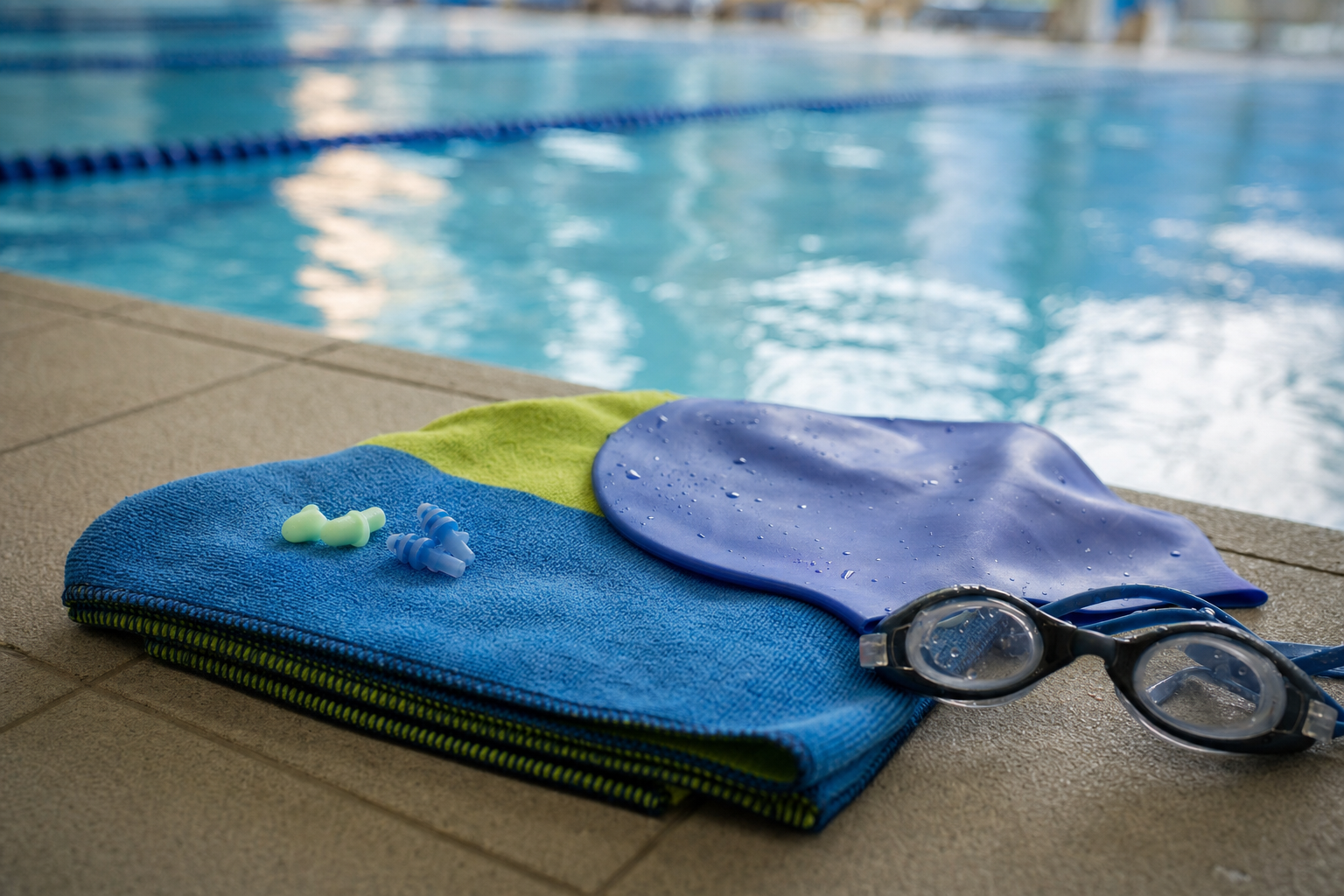
Every parent knows the heartbreak of hearing “I have ear pain” just before swim classes. For children aged 5–12, frequent pool weeks can lead to outer ear infections, known as swimmer’s ear or otitis externa. But do all kids need earplugs? And how do you pick the best ones without trading one problem for another?
When Earplugs Aren’t Optional
If Junior is prone to otitis externa, swim lessons are heavy, or they've had ear tubes installed (tympanostomy tubes), earplugs become essential. The Centers for Disease Control and Prevention (CDC) highlight that use of a bathing cap, ear plugs, or custom-fitted swim molds when swimming can significantly reduce risk. (cdc.gov)
For kids with ear tubes, the latest study (March 2026) by the American Academy of Otolaryngology found that children with tubes who swim in well-maintained, treated pools aren’t at higher risk of ear drainage. But exposure to untreated natural water (lakes, rivers) still increases risk. Clinicians now lean toward tailored water safety advice rather than blanket policies. (entnet.org)
Also, avoid sleeve-style slip-ons when the ear canal is damaged. If your child has active ear pain, drainage, or a ruptured eardrum, don’t use earplugs or alcohol drops—get ENT advice first. (mayoclinic.org)
When Earplugs Are Optional
If your child swims occasionally, has no history of ear infections, or swims in clean treated pools, earplugs are helpful but not always required. The CDC recommends drying ears thoroughly and using accessories like swim caps, which may be enough. (cdc.gov)
Some families find scheduling use helps—earplugs on heavy swim weeks, cap-only during slower periods. One parent praised combining swim lessons with the 10-Week Plan from swimy.org to build up their child’s ear strength gradually during a long term. This made earplugs feel less like a daily struggle. It’s a useful way to support comfort, build confidence, and protect ears without making pluggings a constant issue.
Choosing the Best Earplugs for Kids Swimming
For kids aged 5–12, comfort and fit matter more than price. Look for:
- Moldable soft silicone or double-flanged reusable plugs designed for kids. These adapt to smaller canals and avoid sharp edges. (earpros.com)
- Custom-molded plugs made by audiologists. Ideal for children with ear tubes, repeated infections, or odd ear shapes. They cost more but often offer better protection and long-term comfort. (ecoearplugs.com.au)
- A snug swim cap can help hold plugs firmly in place and seal out water from every angle. Valuable during racing and when water splashes more vigorously.
If you want a structured way to help your child progress at home, the 10-Week Plan guides you step by step.
[[ctakid]]
Exit criteria: if the earplug causes irritation, persistent redness, or a feeling of blockage, it might be too big, too rough, or simply unsuitable.
Dry Ears Safely After Swims
Drying ears well after swimming prevents water from becoming trapped and bacterial growth. Here’s how:
Tilt the head side to side to let water drain from each ear canal. Pull the earlobe gently in different directions while ear faces downward. Then use a clean towel to dry the outer ear. If water’s still in, a hair dryer on the lowest warm setting, held at arm’s length, can help. (cdc.gov)
Over-the-counter ear-drying drops containing isopropyl alcohol and glycerin—or a simple homemade mix 50/50 alcohol and white vinegar—are helpful if and only if the ear drum is intact and there’s no current infection. (health.harvard.edu) Use with caution: stop if there’s pain, discharge, or ear surgery history. (ecoearplugs.com.au)
Balancing the Benefits and Pitfalls
When used thoughtfully, earplugs help children spend more time in pool lessons without sore ears or early exits. Especially in summer, when swimming ramps up, protection is a game-changer. But overuse can have downsides: irritation from constant wear, skin maceration if plugs stay wet or dirty, and false sense of security. If kids neglect ear hygiene or ignore warning signs, mild irritation can turn into infection.
Also avoid using cotton swabs to clean ears, which can scratch the canal and increase risk of otitis externa. (health.harvard.edu)
Advice from Experts and ENT Rules
ENT specialists agree: custom earplugs are best when standard options aren’t enough. After ear tube surgery, kids may often swim normally in treated pools, but caps or plugs are advised especially in deep water or natural water sources. (specialists.chocchildrens.org)
For those with recurring ear infections, an ENT can prescribe medicated ear drops or advise annual ear cleaning before swim season begins. (health.harvard.edu)
Don’t overlook the warning: alcohol-based ear drops should never be used if the ear canal is already inflamed, painful, or draining. That could worsen the condition. Get medical evaluation first. (beltone.com)
Bottom line: Use earplugs when health history, swimming frequency, or ear tube status makes the risk of swimmer’s ear higher. For casual swim days without risk factors, good drying routines and hygiene may be enough. Work with an ENT when in doubt, especially for recurring problems or dosage of protection. With the right balance, sore ears and lost lesson time become rare, not routine.
120+ swimming exercises sorted by age — with video and instructions. Developed by swim instructors, completely free.

120+ swimming exercises sorted by age — with video and instructions. Developed by swim instructors, completely free.