Eczema & Swimming: A Practical Plan That Lets Kids Join In
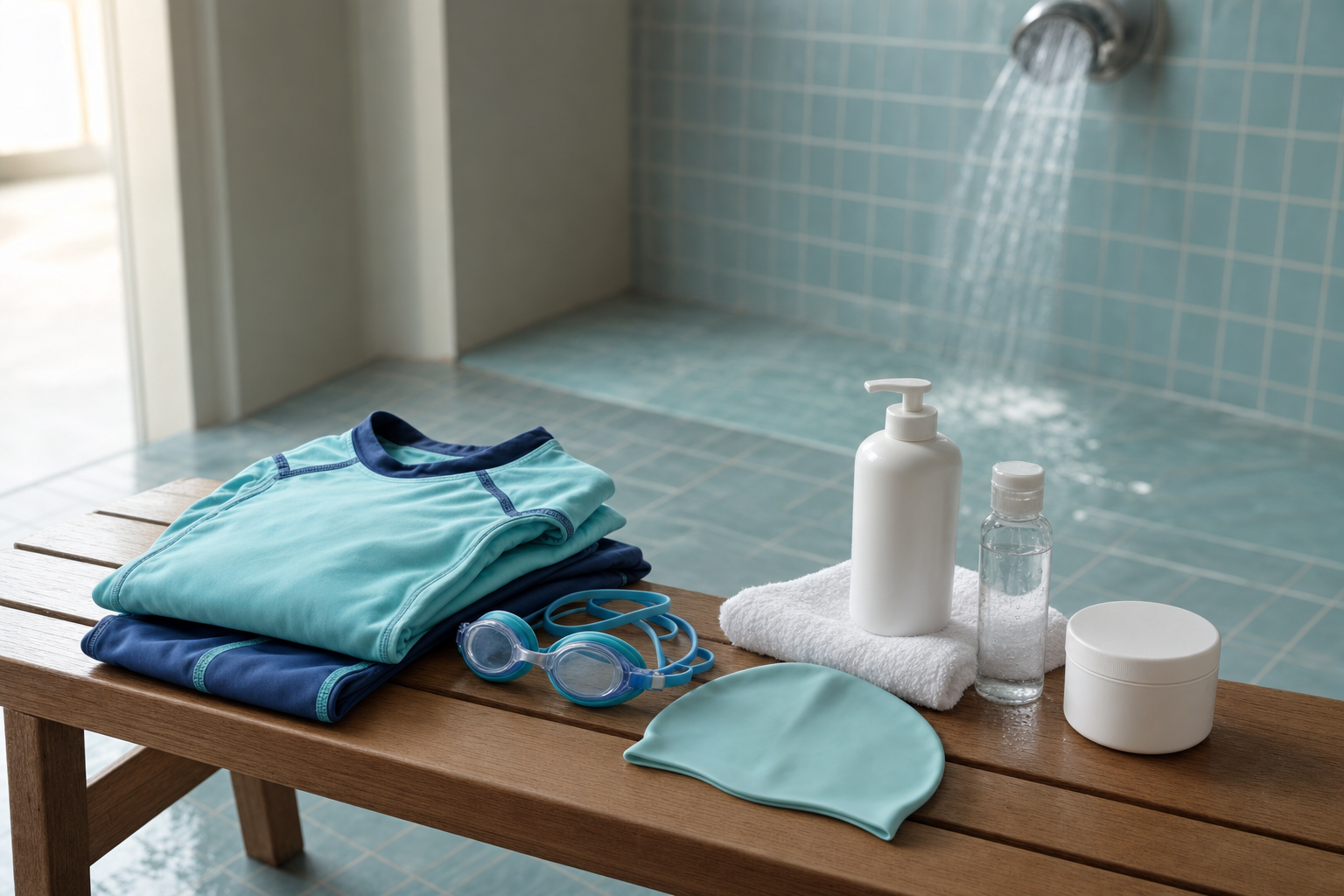
First things first: yes, kids aged 3–12 with eczema absolutely can swim without constant flare-ups—if you follow the right pre-swim and post-swim steps. Applying a pre-swim emollient, rinsing off chlorine immediately, moisturizing within 3 minutes, and choosing proper gear are your secret weapons against “chlorine rash kids” fears. Keep reading to master dermatologist-endorsed steps that let your child dive in all year round—winter’s dry air and peak-chlorine summer won’t stand a chance.
Why the Timing Matters: Before, During, and Right After Swimming
When kids with atopic dermatitis swim, the chlorine and other pool chemicals can strip moisture, damage the skin barrier, and trigger redness or stinging. The American Academy of Dermatology says the guard begins before even stepping into the water: apply your child’s moisturizer or petroleum jelly over all areas of skin as a barrier. (aad.org) Once out of the water, a warm wash followed by re-moisturizing within three minutes is key to sealed-in moisture. (aad.org) Skipping the post-swim rinse or delaying moisturizer gives chlorine time to irritate sensitive skin. In the winter, when indoor heated pools make air dry, these steps are even more critical. In sweltering peak-chlorine summers, avoid busy times when chlorine levels are highest and shower before swimming so skin absorbs conditioning products better. (eczema.org)
The 4-Step Routine Children Can Follow Without Hassle
Step 1: Pre-swim Emollient and Barrier Cream
Thirty minutes before swim time, smooth on a fragrance-free emollient or thick ointment. This layer acts like a protective shield. Some kids may prefer petrolatum or ceramide creams. Avoid applying too much on palms or soles so grip isn’t slippery. If your child is extremely sensitive, consider waiting to apply specialized creams until right before stepping into water. Use only medical grade, fragrance-free products to prevent contact dermatitis. (eczema.org)
Step 2: Gear Tweaks for Goggles, Swimwear, and Clothing
Rubbery goggles often rub against skin around the eyes, and some children react to padding inside goggles. National Eczema Society recommends trying silicone-lined goggles or those with soft, hypoallergenic seals to reduce irritation. (eczema.org) Swimwear with more coverage — rash guards, longer sleeves, leggings — helps protect joints that commonly flare like elbows and knees. Rinse gear after swimming to wash off chlorine and chemicals. (healthline.com)
If you want a structured way to help your child progress at home, the 10-Week Plan guides you step by step.
Step 3: Rinse-Off Right Away
As soon as your child’s pool session ends, have them rinse off in lukewarm water—preferably in a shower, not a hot tub. Avoid soap with fragrance or high pH; instead use a gentle, soap-substitute wash. This removes chlorine before it continues damaging the skin. Rinsing at the poolside helps, but if possible, a shower when you get home is more effective. (eczema.org)
Step 4: Moisturize Within Three Minutes
After rinsing, pad skin gently with a soft towel, leaving it slightly damp. Then apply a generous layer of moisturizer while skin is still moist. This step locks in hydration, repairs the skin barrier, and helps prevent a flare-up. Using ointments or ceramide creams works best, especially in dry seasons. (aad.org)
[[ctakid]]
When to Choose Pool vs. Natural Water
Kids with eczema should avoid chlorinated pools if their skin is actively inflamed, weeping, or infected. When eczema is under control, a salt-water pool or sea swim can sometimes feel gentler, though sea water may sting open patches. Fresh water lakes or well-maintained salt pools are good alternatives, especially in warmer months. Checking pool chlorine levels or avoiding swimming immediately after high chemical treatments can help. (eczema.org)
Some parents follow structured programs that help children build confidence and skin tolerance gradually. For example, the 10-Week Plan by swimy.org gives step-by-step guidance on introducing kids with sensitive skin to pool swimming safely while minimizing flares. Make sure your child’s dermatologist approves any plan you adopt.
Year-Round Matters: Winter & Peak-Chlorine Summers
Winter’s cold, dry air often worsens eczema. Heated indoor pool air heats things up further, drying skin more. In winter, moisturize more often, use a richer ointment overnight, and limit swim times or use warmer water. In the summer's peak-chlorine heat, midday sessions often mean higher chemical levels; early morning or late afternoon swims are safer. Always rehydrate skin after swimming and avoid long exposure to sun-warmed swimwear or wet skin. And remember, fragrance is your enemy year-round—always opt for simple, scent-free skin care. (eczema.org)
Common Pitfalls to Avoid
Do not skip the rinse or delay moisturizing. Even one missed step can lead to stiff, itchy skin overnight. Avoid products with fragrance, dyes, or strong preservatives—they often trigger or worsen “chlorine rash” in kids. Don’t assume that all pools are the same: chemistry, pH levels, even pool schedules vary. If a certain pool irritates skin repeatedly, try another that uses salt or softer chemical treatments. If goggles, swim caps, or wetsuit seams rub and cause redness, switch gear or add protective strips. Always check for signs of infections—yellow crust, pus, fever—and contact a dermatologist.
Every swim doesn’t have to come with anxiety. With this dermatologist-endorsed routine—pre-swim emollient, rinse off right away, moisturize within three minutes, and gear tweaks—you can help your 3- to 12-year-old enjoy water safely, year-round. Monitor how their skin reacts, adjust as needed, and you’ll see fewer flares and more smiles all pool season long.
120+ swimming exercises sorted by age — with video and instructions. Developed by swim instructors, completely free.

120+ swimming exercises sorted by age — with video and instructions. Developed by swim instructors, completely free.