First Solo Lap Swim at 11–12: Readiness Checklist
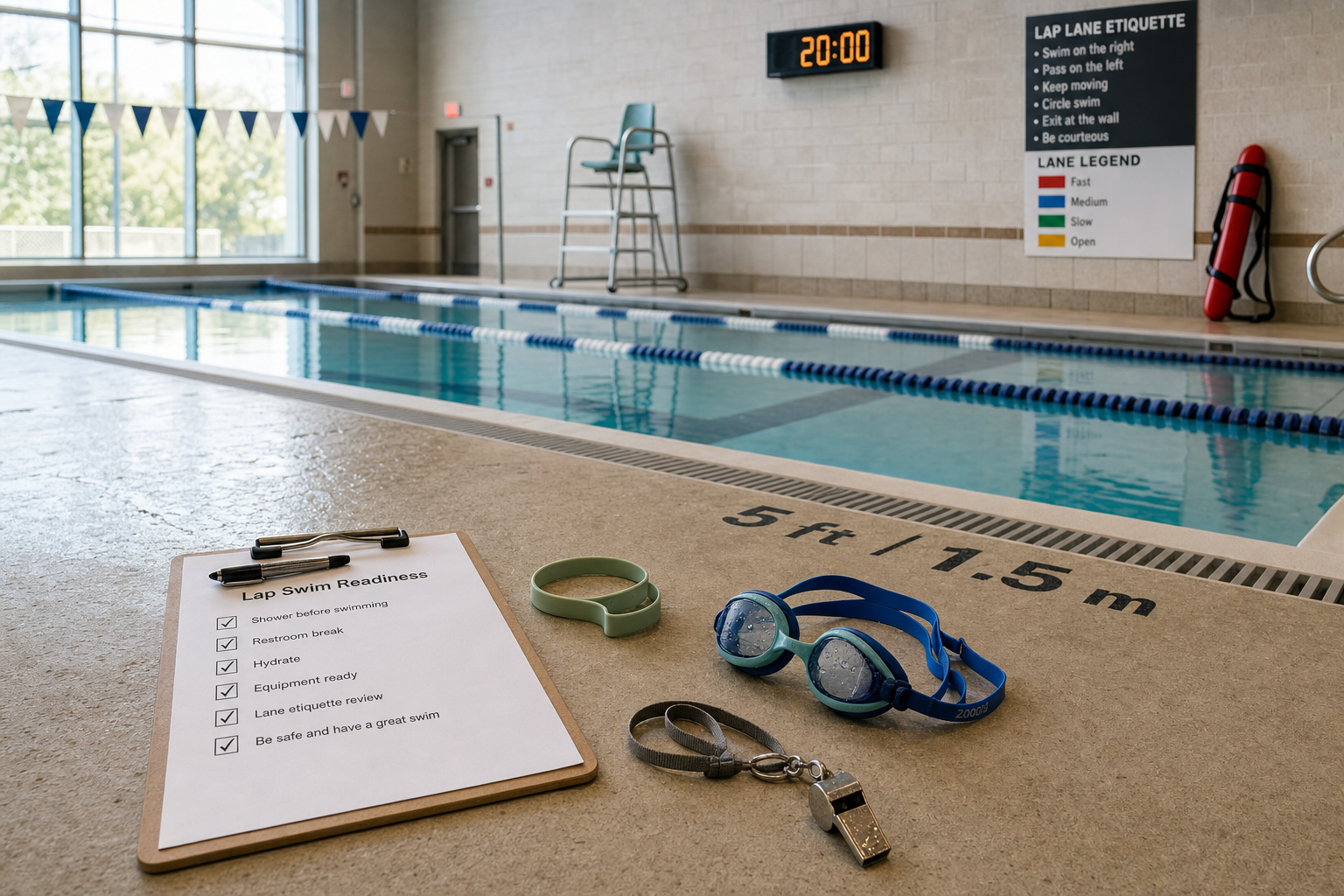
If you’re wondering “what age can child swim alone?”, especially for lap-swimming without a parent in the water, there’s no single rule that fits every pool. Around ages 11 or 12, many tweens can be ready—but only if they meet certain skill, attention, rule-following standards. Below is a readiness test for skills and behavior, a checklist for facility rules, and a plan for parent spot-checks. Use this guide so your family can make calm, policy-aligned decisions.
Skills, Attention & Rule-Following: Does Your 11- or 12-Year-Old Qualify?
To lap swim safely without a parent in the water, your child should be able to do the following reliably.
Swim skills
They should be able to swim a full lap (25 yards or metres depending on your pool), ideally using freestyle or front crawl, without stopping. Jump fully into deep water, resurface, tread or float for at least 30 seconds without panicking. They also need to climb out of the pool safely without relying on ladders or props. These skills match many facility swim tests that allow older children freedom to use lap or deep-water zones. For example, YMCA branches often use a swim test for under-13s that includes swimming laps, jumping into deep water and treading water. (ymcamemphis.org)
Attention & comprehension
Even with strong swim skills, readiness also depends on your tween’s ability to follow directions, pay attention to lifeguards, and behave under supervision rules. Do they stop when told, respect lap lanes, avoid unsafe behavior like breath-holding games or diving in shallow water? If your child becomes easily distracted or overconfident, solo lap swim may not be safe yet.
Rule-following under pressure
Test in less busy times first. Can they still follow facility rules when the pool is crowded, noisy, or during holidays? Can they recognize emergency signals like whistles or alarms and respond immediately? Any hesitation or misinterpretation could be dangerous without a parent in the water.
Facility-Policy Check: Know the Rules at Your Local Pool
Policies differ widely, so double-check your facility before allowing solo lap swimming. Here’s what to look for.
Swim test & wristband systems
Many YMCAs require a swim test and issue a colored band or tag showing a swimmer’s skill level. These often determine whether a child can swim in lap lanes or deep water without direct adult supervision. (ymcalouisville.org) Pools like those in Tampa, Memphis or Greensboro require green bands to swim unaccompanied in deep water or lap lanes. (tampaymca.org)
If you want a structured way to help your child progress at home, the 10-Week Plan guides you step by step.
Age cut-offs for supervision vs unsupervised swim
Some facilities say under-12s must have a supervising adult in the building or on pool deck even with a swim test passed. Others allow older tweens to swim by themselves if they pass. For example, YMCA of Metro Denver allows 10+ year-olds who pass the swim test to swim without a parent present. (denver-ymca-prod.oneeach.net)
[[ctakid]]
Local regulations & emergency rules
Check if there are local health codes or supervisory requirements that exceed facility rules. See if whistle codes, lifeguards’ commands, or emergency evacuation rules are clearly posted and enforceable. Know if flotation devices are allowed and which kinds. See whether pools close or adjust supervision during holidays or school breaks.
Parent Spot-Check Plan: How to Ease Into Solo Lap Swim
Even after your child passes the skills and the facility allows it, gradual exposure keeps safety high and confidence steady.
Start by observing from the pool deck during lap swim time. Stay within hearing distance in case instructions or emergencies occur. Occasionally sit in the lifeguard line of sight. Ask your tween to check in verbally before diving into deeper water or using more lanes.
Coordinate with lifeguards: know their signals, like “clear lanes”, “rest on deck”, or “stop all activity”. Have your child signal you if they need help. Consider making a simple verbal code at home: for example “I checked in at lane 3” means everything is okay.
Over several sessions, reduce how much you supervise physically. Eventually, if your tween shows responsibility, comfort, and stays safe, solo lap swims may become routine—always staying compliant with pool rules.
Incorporate a Training Plan: Building Skills & Confidence
You don’t want to skip preparation. A structured plan helps your child meet swim-test standards easily. For example, the 10-Week Plan at swimy.org offers progressive skill drills and endurance building. Hyperlinking here points you toward a tested schedule that helps practicing alignment with readiness skills. Swimy.org’s proven approach guides breath control, stroke technique, and comfort in increasing water depths over time.
Pair that with supervised practices—non-lap swim times—so they can work on floating, backstroke, turns, and treading water in a safe, low-stress environment.
Common Pitfalls & Final Safety Notes
Never assume one facility’s rule fits all. What works at your YMCA may differ at your public recreation center or private club. Always review rules in writing or on the official website, not just by word of mouth.
Don’t skip in-person orientation. Before allowing your child to swim alone, go with them to see the pool, meet staff, clarify signals, exit points, and safety gear like lifebuoys or ropes. That way both you and your tween know the place well.
Lastly, revisit readiness each season—school year and holidays bring different crowd levels, schedule changes, and lifeguard staffing. Supervision may be reduced; your child’s comfort or maturity may shift with growth or fatigue.
Conclusion
Many 11- to 12-year-olds can swim laps alone, but only if swim skills are solid, attention and rule-following are reliable, and the local facility policies allow it. Armed with a clear skills checklist, sharp policy checks, and a parent spot-check plan, you’ll help your tween stay safe, confident, and independent in the pool. Always use local rules as your primary guide, and don’t rush the process—calm, consistent readiness beats risky shortcuts.
120+ swimming exercises sorted by age — with video and instructions. Developed by swim instructors, completely free.

120+ swimming exercises sorted by age — with video and instructions. Developed by swim instructors, completely free.