Growth Spurts = Stroke Tweaks: Parent Check-In at Ages 9–12
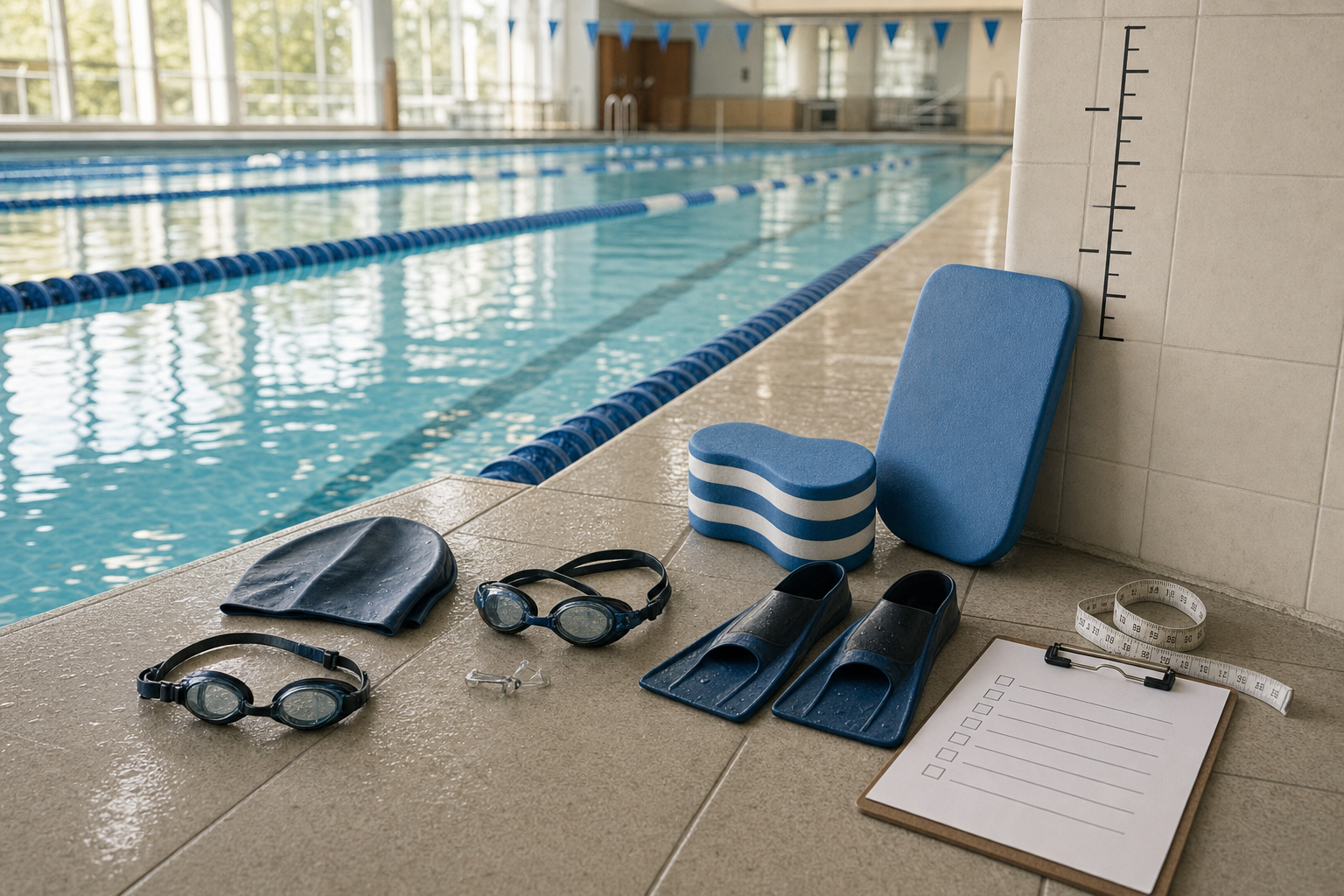
Does your 9-, 10- or 11-year-old suddenly look a little uncoordinated in the pool—even though they were so smooth just a few months ago? In the 9–12 window, kids often hit a growth spurt that reshapes their limbs and shifts buoyancy. This can temporarily mess with balance, stroke timing, and propulsion. The good news: with smart adjustments to gear, cues, and expectations, parents and coaches can keep swimming progress positive.
Why Sudden Clumsiness Happens During Growth
The phase called “puberty coordination kids sport” expert literature shows that children around peak height velocity (PHV) experience noticeable coordination dips. The body’s bones lengthen ahead of muscles and tendons catching up, and limbs become longer before strength and control adapt. That means longer arms or legs that suddenly feel heavy in the water, muscles working harder to control movements, and a temporarily shifted center of mass. (pmc.ncbi.nlm.nih.gov)
Buoyancy also changes. As limbs grow, the ratio of leg length to trunk size shifts, making the child more bottom-heavy in the water. This shift pulls them out of their previous bodyline and can kill streamline, making hips sink and increasing drag. Timing (for example, breathing or kick-arm coordination) often lags behind new body proportions. That leads to visible skill regressions, even without reduced effort. (pmc.ncbi.nlm.nih.gov)
Goggle Fit: Easy First Fix for Immediate Comfort
As faces widen and nose bridges change slightly during growth, goggles that once fit perfectly may begin leaking, slipping, or pressing uncomfortably. A wrong goggle fit may cause the swimmer to lift their head too high or rub at their eyes—both of which throw off stroke timing and bodyline.
To re-fit goggles for a growing face: choose a youth frame that matches their current face width (some youth goggles are adjustable at the nose bridge). Press the eye cups gently over the eyes, then position the straps high on the back of the head to help keep the goggles flush during turns and dives. Only tighten enough to prevent leaks—if straps dig or lenses leave marks, loosen slightly. Clean any hair or swim cap edge from beneath the seals. These tweaks often restore comfort and visibility, letting kids focus on their strokes rather than leaks. (wynthorix.com)
If you want a structured way to help your child progress at home, the 10-Week Plan guides you step by step.
Stroke Technique Nudges: Bodyline, Timing, and Mild Adjustments
When limbs lengthen, bodyline tends to collapse. Hips sink, elbows drag, kick timing falls behind. To help kids reset:
[[ctakid]]
Stretch out the body overhead, think of creating a flat plank from crown to toes. Use drills that reinforce streamlined alignment—such as dolphin kick on back, or push-off and glide with minimal arm movement. Encourage bilateral breathing patterns so breathing doesn’t pull the head too much to one side.
Timing cues matter. Slower stroke rhythm helps in those awkward months. Focus on smoother entry and delay catch moment slightly to allow the arm to reach in. Let kicks pick up early to support the body as it feels change. Add dry-land strength if available: low-impact resistance or plyometrics that match their stage of maturation will help muscles catch up to bone. (pmc.ncbi.nlm.nih.gov)
Setting Realistic Expectations Through “Adolescent Awkwardness”
It helps if parents and swimmers both agree: this growth-spurt phase is temporary. Some weeks will feel like steps back. That’s not lack of effort—it’s biology. Monitor growth: height gains of 6–10 cm/year are typical for kids approaching PHV. Also recognize that coordination disruptions might last six months up to a year while neuromuscular systems adapt. (pmc.ncbi.nlm.nih.gov)
Avoid piling on volume over technique. Repeating laps won’t fix misaligned strokes or mistimed kick–breath coordination. In fact, too much volume during awkwardness amplifies the risks of poor habits ingraining, fatigue, and even injury. Instead, reduce intensity or distance slightly, increase drill work, and focus on proprioception (awareness of where the body is in space during swim). Periods of lighter workload are not wasted—they buy improvements in quality that serve long term.
Around mid-preseason, consider structured refreshers: retest skills, reset goals, and refocus stroke drills. Use something like the “10-Week Plan” of swimy.org to map out focused weeks where technique, bodyline, vision (goggles), and timing take priority over speed. That helps ensure preseason isn’t just fitness buildup, but also biomechanical reset.
Pulling it All Together
In sum, ages 9-12 often bring visible growing pains in the pool. Don't assume your child is slacking. Instead, look for signals: leaking goggles, dropped hips, sloppy kick timing, or discomfort. Adjust the goggles; introduce stroke cues around alignment and rhythm; plan for growth-friendly, technique-focused training. With the right scaffolding, this stretch of “awkwardness” won’t stall progress—it’ll build foundations for stronger, smoother strokes ahead.
Let’s keep supporting our swimmers—because behind every temporary lack of coordination is room for long-term gains.
120+ swimming exercises sorted by age — with video and instructions. Developed by swim instructors, completely free.

120+ swimming exercises sorted by age — with video and instructions. Developed by swim instructors, completely free.