Fix Stroke Asymmetry: Left-Right Dominance in Kids' Freestyle
Kids aged 6-12 who always breathe or pull on one side in freestyle often develop crooked bodylines. That twist slows learning, causes one shoulder to overwork, and can even lead to neck or shoulder pain. Let’s explore how to spot stroke asymmetry early and what simple, safe drills parents and coaches can use.
Recognizing Left-Right Dominance Early
Most children have a “preferred” breathing side. It feels more natural, just like being right-handed. But if your child always breathes on the right, for example, that means their left muscles and shoulder work harder to compensate. Over time, this causes asymmetrical strokes and body imbalance which make training harder. Experts warn that this one-sided breathing pattern can lead to shoulder or neck discomfort, especially in children who swim often.(exceltherapy.com) To avoid this, bilateral breathing—breathing to both sides—sets the foundation for even strength and smoother strokes.(flowermoundswimlessons.com)
Simple Tests at Home Pool
Catch crossover in strokes? Here are two easy test ideas:
Test 1: Video the Stroke
Record your child swimming a 25-yard or 25-meter freestyle. Watch if their shoulder or hip always dips or twists when breathing to one side. If the same arm always enters the water early or late, that’s asymmetry.
Test 2: Side-Kick & Single-Arm Drill
Have them lie on their side, one arm straight ahead, legs kicking, head resting on that extended arm. Let them breathe only on the lowered arm side. Then switch. This pattern shows how balanced-rotated the body is on each side. You’ll see early whether the non-dominant side struggles. These drills mirror what’s recommended in the “Learn Freestyle Breathing” module of the structured 10-Week Plan, which wraps up core drills like side-kick and single-arm work in a safe, progressive way.(swimy.org)
Remember: if your child complains of shoulder or neck pain, stop and rest. Low volume, high quality rehearsals are far safer than pushing too far.
Drills to Correct Imbalance
After tests, here are drills to restore symmetry without overloading young shoulders. Use these in the pre-season, when you want tune-ups before racing or regular practice.
Catch-Up Drill with Alternating Breaths
Swim freestyle but only pull with one arm for a few strokes, then pause until the other arm finishes. Alternate breathing every three strokes. This helps the weaker side learn proper body roll, without forcing breathing too early.(flowermoundswimlessons.com)
Single Arm Freestyle
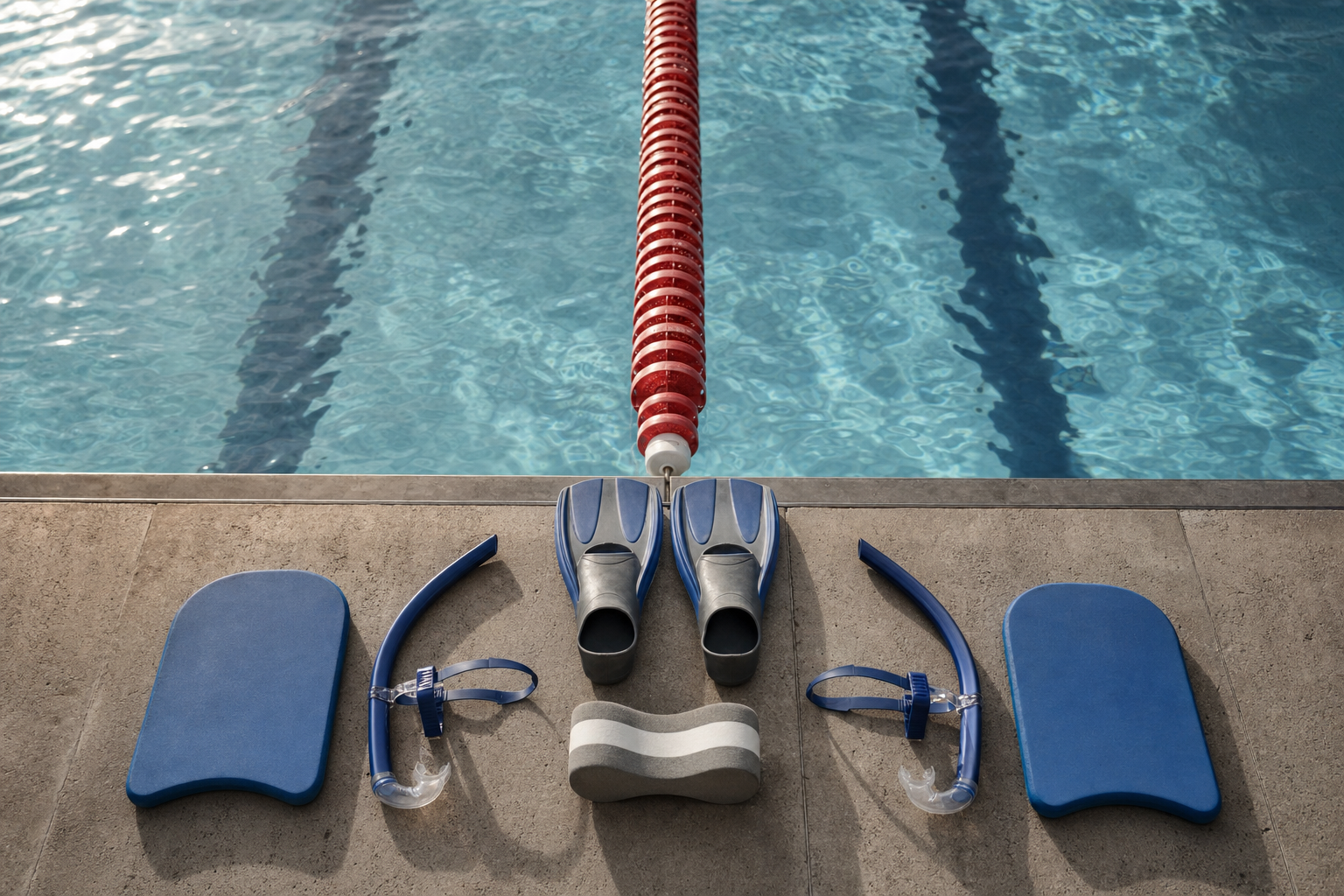
Hold the non-working arm extended forward (or rest it), swim with one arm, breathing on its side only. Switch sides. This corrects strength and timing gaps. Using small, short fins can help without adding shoulder load.(arcady.genkin.ca)
[[ctakid]]
Side-Kick Balance Drill
Float or use a kickboard, lie on side, arms straight forward and along side, kicking. Keep body, hips, and shoulders aligned. Practice on both sides evenly. Makes breathing on each side more natural.(swimy.org)
Controlled Bilateral Breathing Progression
Start with one-sided breathing until the child swims 25 meters with good rotation. Then try breathing every three strokes, alternating sides. Don’t force bilateral breathing too soon—wait until basic rhythm and form are solid.(swimy.org)
Common Mistakes & Safety Tips
Pushing young swimmers too hard can backfire. Avoid these pitfalls:
- Forcing bilateral breathing before a child is comfortable can cause their head to lift too much or stroke timing to break, increasing drag and wasting energy.(swimy.org)
- Using large paddles or heavy equipment before they’ve developed strength and stroke awareness can overload the shoulders and exacerbate imbalances.(arcady.genkin.ca)
- Ignoring shoulder or neck pain. Discomfort during drills means withdrawing pressure, reducing volume, or stopping altogether.
Always introduce new drills in small doses, focus on form, and watch for signs of overuse.
Why Fixing the Crossover Matters
Correcting left-right dominance has big benefits. Symmetrical breathing improves stroke efficiency and helps the body roll evenly, reducing wasted energy and drag in the water. When one side isn’t overcompensating, both arms and shoulders share load, lowering the risk of injury. Also, good bilateral skills make it easier for kids to handle different race environments or open water conditions.(learnswimfast.com)
Putting It All Together as Parents or Coaches
Start with the tests. Use video and simple drills to see what side is dominant or weak. Then incorporate drills in pre-season, when there’s time to reshape technique before competitive stress kicks in. Use small, safe tools only when the child shows readiness. Prioritize rest, comfort, and quality over distance or speed. Over weeks, balanced breathing should reduce the twist in bodylines and boost confidence.
By doing this, your 6-12-year-old can avoid developing bad habits, swim with smoother, more efficient strokes, and stay injury-free. That’s what helps them learn faster—all without burning out.
120+ swimming exercises sorted by age — with video and instructions. Developed by swim instructors, completely free.

120+ swimming exercises sorted by age — with video and instructions. Developed by swim instructors, completely free.