Flip Turn Breath Timing for 8–12s: Nail the Last Breath Before the Wall
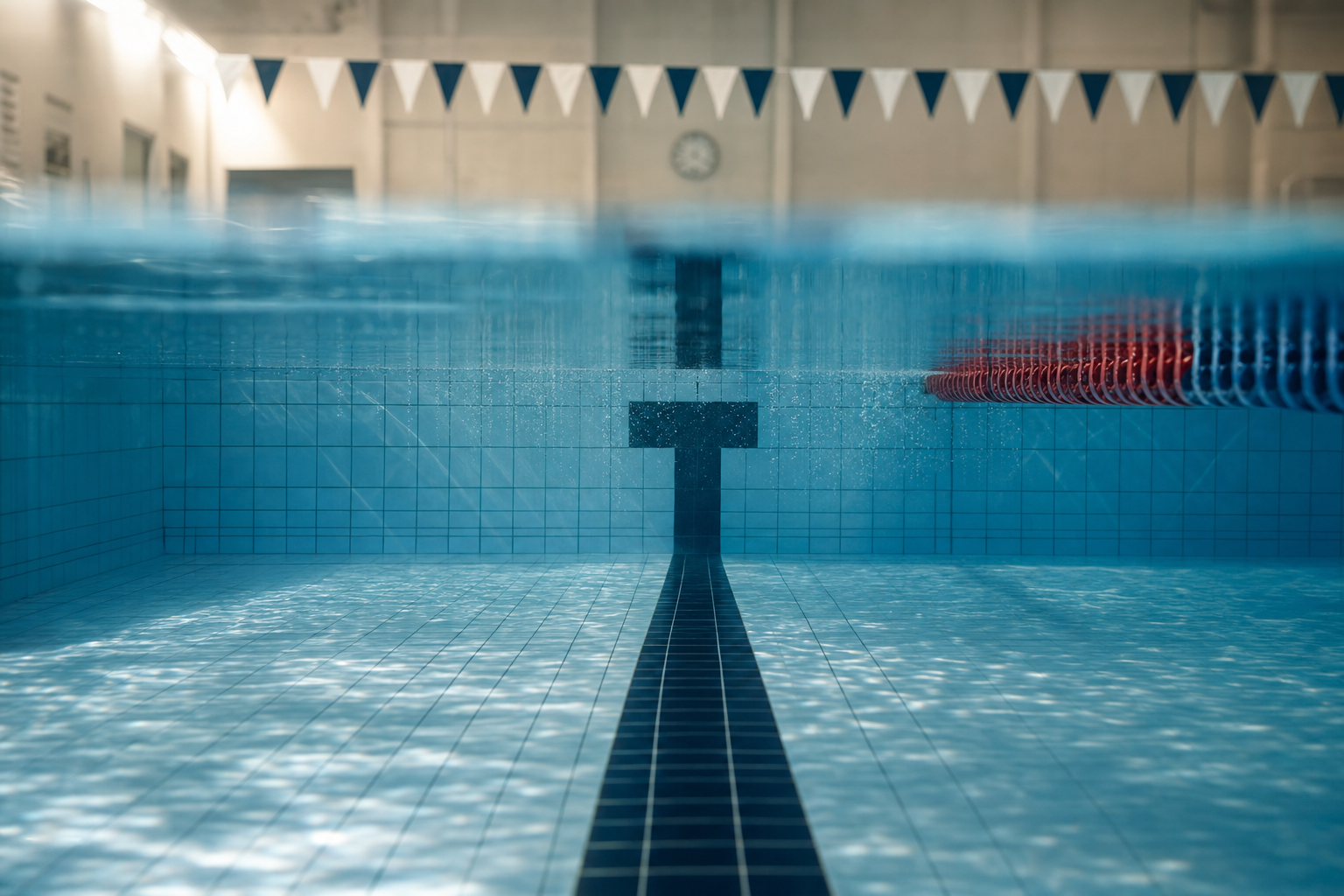
Getting the final breath wrong before a flip turn completely wrecks speed into the wall. If your 8-12 year-old takes a breath too late, lifts their head, or drifts off centre, momentum is lost, hips drop, and the turn suffers. Here’s a clear countdown from the flags to that final stroke, a deck-side script you can use, and safety tips to keep things tight without over-coaching.
Why the Last Breath Matters
A recent study of prepubertal swimmers (mean age ~10.6 years) showed that not breathing on the last stroke before the turn cut total turn time, increased push-off speed, and let swimmers rotate more cleanly. (pmc.ncbi.nlm.nih.gov) When kids breathe right at that final stroke, they lift the head, slow the approach, and reduce their glide distance. (athletesuntapped.com)
So the core rule: take your last proper breath one or two strokes before the wall. Hold it through the somersault, foot plant, push-off and only breathe again once swimming away from the wall with two-three strokes in.
Countdown: From Flags to Flip
Flags → 5 metres (or “flags” depending on pool)
When your child crosses under or past the backstroke flags (or begins their reference distance), that’s cue one: maintain full surface breathing and rhythm. No changes yet, but head stays down, eyes toward the flags or bottom T, not the wall. (kiefer.com)
3 Strokes from Wall (last 2-3 strokes)
About two or three strokes before reaching the wall, have them take the final breath. That might mean on stroke number three-from-touch: no breath on stroke two or one. Timing will vary by arm length, speed, pool, but the pattern holds. (pmc.ncbi.nlm.nih.gov)
Somersault / Flip
Once the final breath is taken, head stays down, chin tucked, body rotates. During the flip don’t try to inhale or big gasps. A gentle exhale through nose or mouth is okay. Holding air stabilizes core, reduces water entry and drag. (birminghambluedolphins.com)
If you want a structured way to help your child progress at home, the 10-Week Plan guides you step by step.
Foot Plant & Push-Off
Feet plant on wall shoulder-width apart, push off hard and streamlined. Begin underwater glide or dolphin kicks. Don’t pop up too soon. Only after two or three full strokes away from the wall does breathing resume. (speediswim.org)
Common Pitfalls That Kill Speed
Many children slip up in predictable ways. Extra breath on the wall is one. Looking at the wall rather than at the bottom T or keeping eyes down is another. If kids drift off centre heading into the wall, they might slap one foot early or lose angle on push-off. (athletesuntapped.com) These mistakes stem almost always from mistimed breaths or loosening the body line as the head lifts.
[[ctakid]]
How Parents Can Cue and Reinforce Without Over-Coaching
Here’s a simple deck-side script you can use daily. Short, repeatable, clear. It supports good timing without layering coaching that overwhelms.
“Flags last breath, tuck head, flip now, push, two strokes then breathe.”
Say it once as they approach, maybe two laps per session. Encourage them to repeat it quietly before their turn. Keep tone calm and positive. Avoid over-correction; a gentle reminder works best: “Head stays down on flip” rather than “Don’t lift your head!”
Also watch for signs of discomfort—if they look dizzy, gulp air, or panic near the wall, pull back. Use progressions like wall taps, short somersaults, and streamline glide first. A structured skill program—something like the 10-Week Plan from swimy.org—can help build awareness, strength, and correct timing safely. (swimy.org)
Safety and Best Practice
Only practice flip turns when pool depth is safe (always deep enough for somersaults), under supervision, and with clear lanes. Never push kids into hyperventilation. Frequently reinforce gentle exhalation during flip; forcing or holding breath too long causes dizziness. (swimy.org) During try-out and meet seasons, turn work should be carefully scheduled—lots of short repeats, rest in between, feedback that focuses on timing rather than raw speed.
Putting It Into Action: Sample Sessions
Try this over 1-2 weeks:
Week 1: Swim sets where the child takes two strokes after flags before final breath. Use visual cues (flags, bottom T). Use drills like swim-in from mid-pool, stop, flip turn with no breath just before wall.
Week 2: Add more velocity, reduce rest. Focus on the full countdown: final breath, head stay, flip, push, two strokes, then breathe. Reward clean turns, celebrate when they avoid looking up or grabbing extra air.
Ending a meet or try-out season: a set where they compare turn time when they do breathe last stroke vs when they don’t. The difference will often surprise: momentum, speed off wall, smoothness.
Getting flip turn breathing right for 8- to 12-year-olds isn’t about making them tough—it’s about timing, body control, and consistency. Nail that last breath, keep head down, don’t look at the wall, and avoid extra breaths. With your simple cues, safe practice, and daily focus, their turns will tighten up—and speed will follow.
120+ swimming exercises sorted by age — with video and instructions. Developed by swim instructors, completely free.

120+ swimming exercises sorted by age — with video and instructions. Developed by swim instructors, completely free.