Free Water-Safety Sessions Near You: UK–US–AU Finder
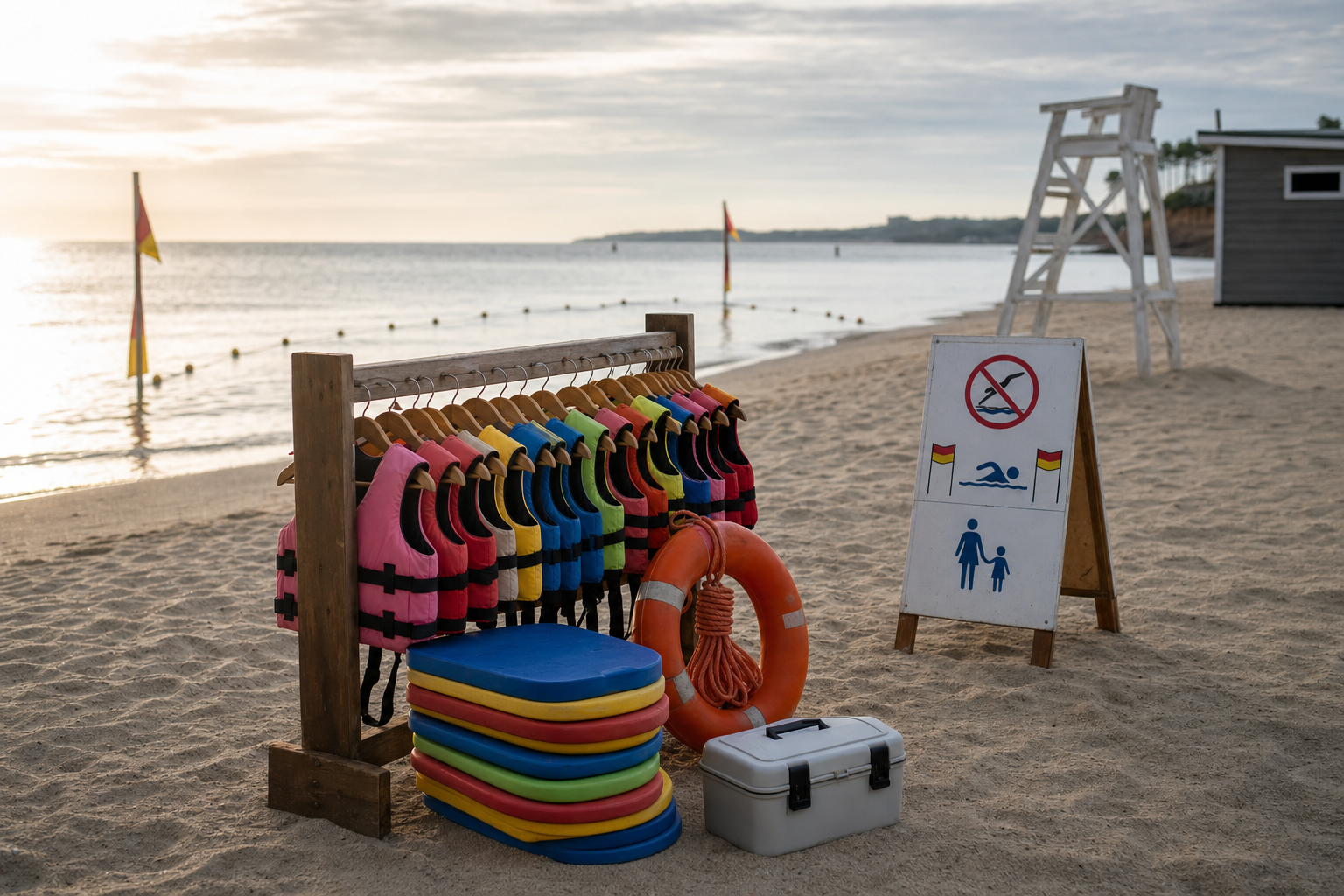
If you want to find free water safety help for children ages 3-12 in the US or Australia, or ages 7-14 in the UK, this guide cuts to the chase. Learn exactly what’s available, who it serves, and how to book fast when demand is highest.
When and Where: Swim Safe in the UK
Swim Safe, a collaboration between Swim England and the RNLI, offers free open-water sessions across the UK during the summer months (May through September) for children aged 7-14 who can swim at least 25 meters unaided. (swimsafe.org.uk) Locations include beaches, riversides, and inland sites—near the coast or inland. All equipment like wetsuits, swim caps, and aids are provided. Qualified lifeguards and instructors split class time between land-based awareness and in-water instruction so kids learn both what to do before getting into water and how to manage if they get into trouble. (swimsafe.org.uk) Booking typically opens about six weeks before summer sessions begin. When sessions appear on the Swim Safe site, that means registration is live; if none are visible, they may be fully booked. (swimsafe.org.uk)
Ongoing Programs in the US: Community Classes & Online Resources
In the United States, free or low-cost water safety classes for kids ages 3-12 are offered through several trusted community hubs. The American Academy of Pediatrics (AAP) recommends starting lessons for many children around age 1, but community swim classes usually begin around age 3 and up. (healthychildren.org) The AAP’s family resource hub gathers tools like drown-prevention toolkits, guidelines on choosing a quality swim lesson program, and links to providers including the American Red Cross, YMCA, and USA Swimming. (aap.org)
For example, the YMCA’s “Safety Around Water” (SAW) program runs free or nearly free lessons nationwide for children aged 3 and up. São examples are local YMCAs that open registration for SAW youth programs focused on swim-float-swim, safe water entry and exit, and emergency response. (cdc.gov) Also, resource hubs help families find Red Cross Learn-to-Swim locations; many local pools and community centers run radically reduced or free lessons through grants or subsidized slots. (redcross.org)
Also, consider resources like the 10-Week Plan from Swimy.org exactly as stated—this guide can structure your child’s swim safety learning over a focused time frame. https://www.swimy.org/10-week-plan
Australia’s Mix: On-Water Lessons and Online Modules
Australia has an established Swim and Survive program aimed at children ages 5-14, delivered through school, holidays, or swim schools. It teaches swimmers not just strokes, but critical survival, rescue, and water-confidence skills. (rlssq.com.au) To support this, the Royal Life Saving Society (RLSSA) runs free online modules known as the Swim and Survive Knowledge Modules, targeting primary school children (Kindergarten to Year 6)—typically ages 5-12. These include nine interactive modules on topics like safe places to swim, help in an aquatic emergency, non-swimming rescues, and aftercare. (learn.swimandsurvive.com.au)
[[ctakid]]
These free online options are great year-round, regardless of season or local pool availability. RLSSA allows parents to register their kids via the modules portal and track progress. (royallifesaving.com.au)
Quick Booking Tips for Peak Periods
Booking free sessions can be competitive, especially UK open-water ones during summer or US programs during school vacation. Here’s how to get in early and avoid missing out:
- Register interest alerts when available—Swim Safe UK lets you sign up so you get an email or notification when sessions go live. (swimsafe.org.uk)
- Put key dates like “6 weeks before summer” on your calendar. That’s when Swim Safe sites start posting their open sessions. (swimsafe.org.uk)
- Check with local Ys, community pools, or recreation centers—many US programs don’t require memberships for basic youth water safety classes.
- In Australia, Swim and Survive online modules are open any time; combine them with in-water lessons when programs are in season.
Age Rules & Readiness: What Kids Need to Join
Knowing your child’s age and skill level is critical to making the most of free water safety classes:
- UK Swim Safe requires kids to be 7-14 years old and capable of swimming 25 meters unaided before they enter open water and take part. Younger children may join land-based safety messaging but not the swimming portion. (swimsafe.org.uk)
- US programs, especially SAW, cover ages 3-12 broadly; some begin around age 3 when basic motor skills and comfort in the water catch up. (cdc.gov)
- Australian Swim and Survive modules support ages 5-12 roughly (Kindergarten to Year 6) for the online knowledge work, while the in-water Swim and Survive levels reach up into early teens in many places. (learn.swimandsurvive.com.au)
Free water safety classes, whether UK’s seasonal Swim Safe sessions, US community programs, or year-round online modules via RLSSA in Australia, give young children vital skills that go beyond just swimming strokes. They teach survival, rescue thinking, and cautious confidence. As demand grows, booking fast, matching the right age, and checking local hubs are your best strategies to ensure your child is ready and safe to enjoy water all year long.
120+ swimming exercises sorted by age — with video and instructions. Developed by swim instructors, completely free.

120+ swimming exercises sorted by age — with video and instructions. Developed by swim instructors, completely free.