Molluscum and Swimming Lessons: Safe, Kind Rules for Ages 3–12
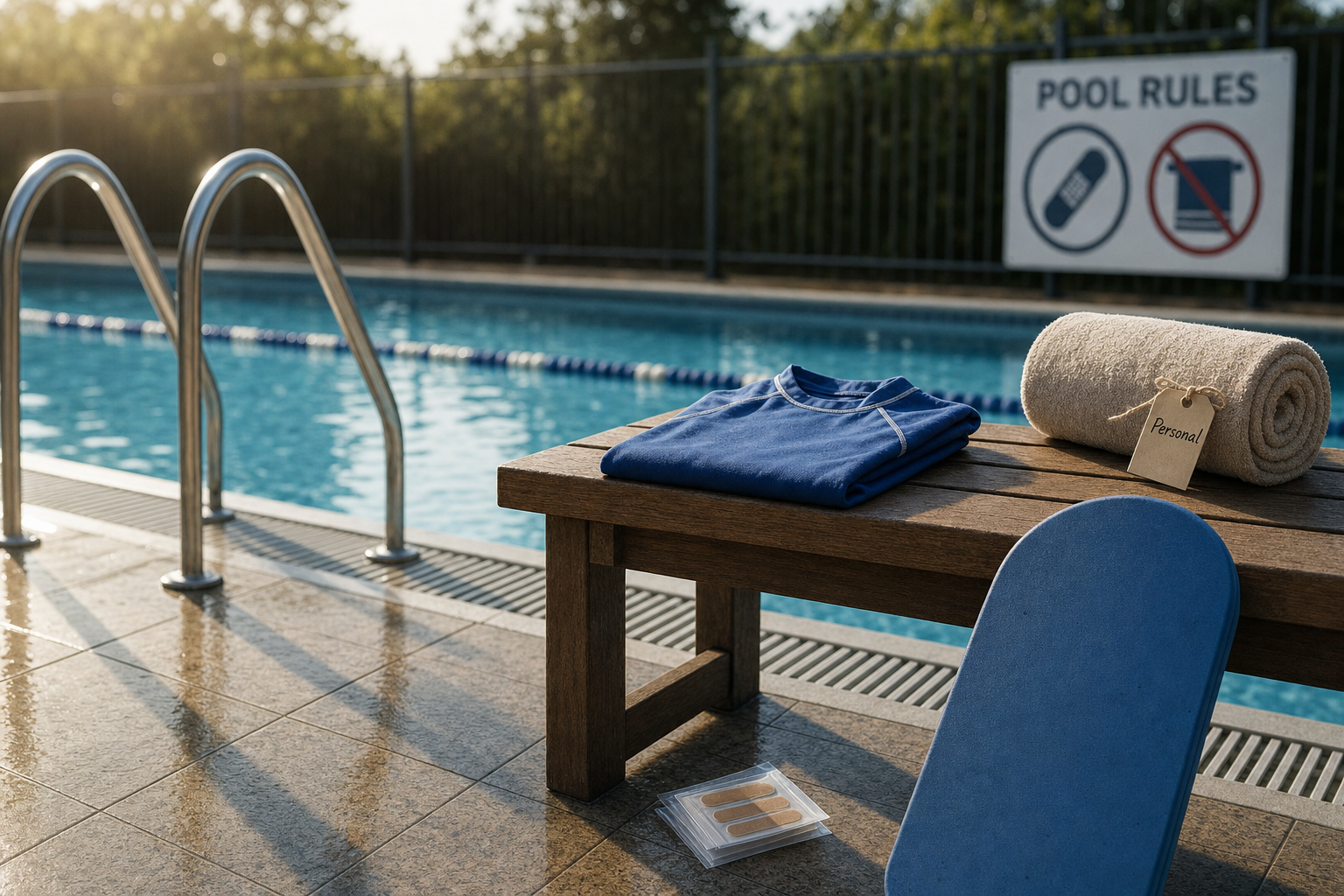
Kids ages 3 to 12 often want to dive into swimming lessons all summer long. If your child has molluscum contagiosum—those small bumps caused by a poxvirus—you’re probably wondering: “Can kids swim with molluscum?” Great question. Here’s what dermatologists and public pools advise, how to manage risk, and what to do when pools differ in policy.
What Swimming Pools & Dermatologists Agree On
Dermatologists and trusted health bodies like the CDC and NHS say kids with molluscum can often swim—if their lesions are properly covered and they follow hygiene rules. The virus spreads mostly through skin contact or shared items, not water itself. (cdc.gov) Under pool rules, lesions not hidden by clothes should be sealed with a watertight bandage or covered by a rashguard. If wounds are open or infected, most experts say it’s safer to wait until those heal. (nidirect.gov.uk)
Covering vs. Sitting Out: When to Stay Poolside
Not all pools ban kids with molluscum, and many don’t. The American Academy of Pediatrics’ “Red Book” states that molluscum shouldn’t automatically stop a child from being in public pools. When lesions aren’t covered by clothing, cover them with a waterproof bandage. (childrensmercy.org) In contrast, local pool rules or swim school policies may temporarily exclude children if the lesions are uncovered, bleed or drain, or pose risk to others. Always check the specific pool’s policy. (health.mo.gov)
Best Practices for Parents: Keeping Other Swimmers Safe
Here’s how to lower risk and follow pool policy molluscum responsibly:
Use waterproof coverings. Bandage every uncovered bump—even tiny ones—before swim class. Rashguards help too. Derm guidelines recommend covering lesions with waterproof bandages or clothes prior to using swimming pools. (rightdecisions.scot.nhs.uk)
Avoid sharing. Don’t let your child share towels, swim gear, kickboards or goggles with others. These are known ways the virus travels. (healthychildren.org)
Stay out of water if necessary. If lesions are bleeding, crusted, or infected, skip swimming until a healthcare provider says they’re healed. Pools often require this for safety. (crawleysc.co.uk)
Meanwhile, swim schools sometimes offer programs for improvement in water confidence, stroke skills, and independence. If you like structured swimming lessons, you might look into something like the 10-Week Plan offered by SwimY—this type of program helps children build competence and confidence in the water, while giving you clarity on how policy, health, and comfort mesh. link to https://www.swimy.org/10-week-plan
[[ctakid]]
- Practice good hygiene. Wash hands after touching lesions, keep nails trimmed, avoid scratching. Let bath towels, bedding, and clothes be personal. Dermatologists warn against harsh or off-label home treatments unless supervised by a professional. (aad.org)
Why Molluscum Peaks in Summer & Pool Season Complicates It
Summer brings warmth, humid air, pool parties, resistance to covering up—conditions in which pools, closely packed kids, and shared gear offer more chances for molluscum to spread. The American Academy of Pediatrics lists hot, humid climates and frequent swimming environments as risk factors. (publications.aap.org) But water itself—especially chlorinated—doesn’t seem to transmit the virus directly. Instead, fomites—objects touched by infected skin—are the risk. (cdc.gov)
Handling Pool Policy Differences Without Stress
Policies vary by country, state, and even between private swim schools. Use these tips to navigate differences calmly:
Ask ahead. Before signing up for lessons, call and ask: “What’s your molluscum swimming policy? Do you need waterproof bandages? Do uncovered lesions mean sitting out?”
Get a doctor’s note if needed. If your swim school or public pool requires medical confirmation, your dermatologist or GP can help clarify that molluscum isn’t usually serious and that covering lesions is the accepted approach. (cdc.gov)
Show you’re taking precautions. Bring supplies: waterproof bandages, rashguards. Explain to instructors and other parents the steps you’re doing to reduce risk. Often, awareness eases worries.
Use credible resources. If someone says your child must be banned, point them to credible guidelines from the CDC or the NHS. These sources back up what many dermatologists already recommend. (cdc.gov)
When Treatment Enters the Picture
Most of the time, kids with molluscum between ages 3–12 won’t need aggressive treatment. Many guidelines advise against harsh home remedies. Treatments like cryotherapy, surgical removal, or strong chemicals are only used if bumps are numerous, itchy, or affecting quality of life. (nidirect.gov.uk)
Big Picture: Key Takeaways for Parents
Here’s what calm, smart preparation looks like: Yes, your 3–12-year-old can likely take swimming lessons with molluscum, but only when lesions are covered by a waterproof bandage or rashguard. No sharing towels or kickboards. Skip swim class if lesions are open, bleeding or infected. Respect the pool’s rules—ask before enrolling. Don’t attempt harsh home treatments. If done properly, swimming can continue without shame, stress or spread.
When pool days are part of childhood, molluscum doesn’t have to stop the fun—just the rules of safety, care, covering, and communication. Let the lessons swim on.
120+ swimming exercises sorted by age — with video and instructions. Developed by swim instructors, completely free.

120+ swimming exercises sorted by age — with video and instructions. Developed by swim instructors, completely free.