Front-Mount Snorkels for Kids: Technique Aid, Not Crutch
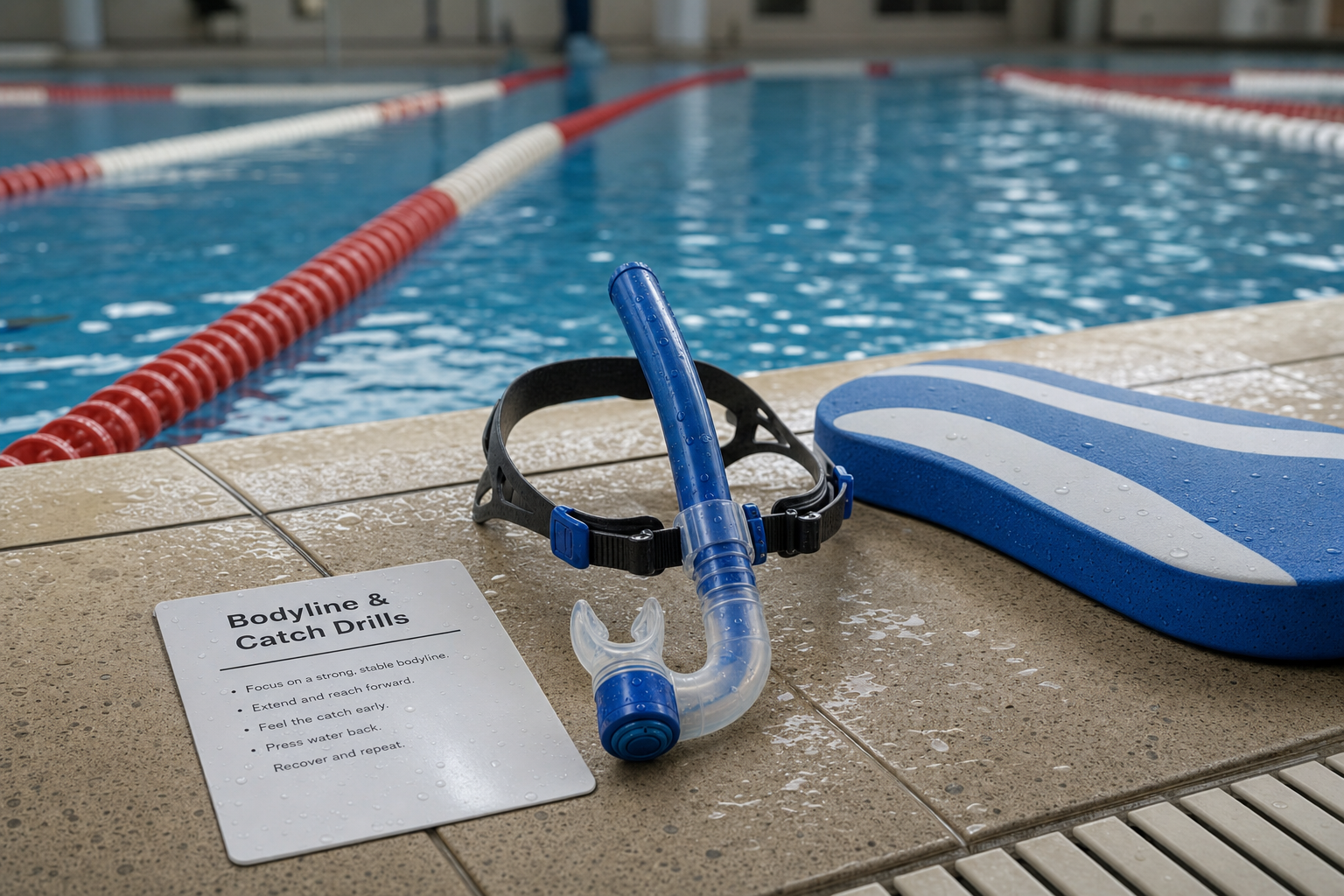
When coaches use a center-mount snorkel junior style in their practice, the goal isn’t to let children avoid breathing—they want them to focus on bodyline, perfect their catch, and eliminate head-twisting. For competent swimmers aged 8-12, this technique training tool can smooth strokes, balance muscle use, and reduce common errors like rolling too early or lifting the head. But parents need to understand the age, fit, safety, and the danger of over-reliance so their child gains skill, not a dependency.
How Coaches Use a Center-Mount Snorkel in Age-8-12 Sessions
Center-mount snorkel junior gear places the snorkel directly in front of the forehead, so kids can keep their face in the water without having to turn for air. Coaches use it during drill sets aimed at body alignment and catch mechanics. For example, when working on the high elbow catch in freestyle, the snorkel prevents the swimmer from rotating the head prematurely to breathe, which can force the arm to flatten or twist. Over multiple laps, this reinforces a straight spine, level hips, stable rotation, and allows the kid to feel the water cleanly with every stroke. The catch improves because they can’t sneak one early by looking to the side.
The technique also helps reduce breathing asymmetry. If a child always breathes to the same side, muscles and flexibility become unbalanced. Trainers will sometimes alternate breathing drills with and without the snorkel so the child learns bilateral breathing while also using the snorkel to isolate the rotational effects. By keeping usage limited to technique-drills—not full stroke-sets or distances—kids improve catch and alignment without losing breath timing skills or rhythm.
Age, Fit & Use Guidance for Parents
A child needs to be a competent swimmer—comfortable with freestyle flutter kick, stable head position, and able to swim 25 yards without stopping—before adding a kids swim snorkel into the mix. Age 8-12 is generally safe provided there’s consistent coaching oversight. Under about age seven, many authorities warn of snorkels being unsafe: child-size designs are crucial, because adult tubes tend to be too long, too voluminous, and dangerous for small lungs. In Norway, for example, snorkels for young children should not exceed 30 cm in length and 1.0-1.2 decilitres in volume to ensure safe breathing dynamics. (dsb.no)
Sizing isn’t just age-based. A center-mount snorkel junior version must have a properly sized mouthpiece and strap system. Junior models typically have softer overlays, shorter tubes, purge valves to clear water, and silicone mouthpieces that fit between lips and front teeth. If a mouthpiece is too big, it leaks or causes discomfort and gagging; too small, it can pinch or restrict airflow. A good test: bite gently, open mouth a little—if the snorkel or mouthpiece pulls or causes strain, it’s wrong. (altaalle.com)
If you want a structured way to help your child progress at home, the 10-Week Plan guides you step by step.
Using a coached session plan helps balance time with snorkel. The “Training Aids That Help (Not Hinder) Kids’ Swimming Technique” guide from swimy.org includes a structured 10-Week Plan to introduce aids like fins, pull buoys, and snorkels gradually while measuring carry-over in stroke quality. (swimy.org)
Pool Safety Rules & Risks to Avoid
Safety begins as soon as the snorkel enters the equation. Always supervise children in the pool closely. The CDC and Pool Safely campaigns emphasise “active supervision” and being within arm’s reach for younger or less experienced swimmers—even when lifeguards are present. (cdc.gov) Ensure pools have compliant drain covers and fences around home pools. Keep non-swimmers away or in shallow water. Snorkels used in coach-led sets must never be used in free swim times unless the child is experienced and under strong supervision. Gear clashes and crowded lanes raise risk of hitting tubes or mouthpieces. Pools may have rules: many UK pools, for example, require swim equipment use only under instruction, not in open or unprogrammed sessions. (grandavenue.kingston.sch.uk)
[[ctakid]]
Clean equipment matters. Rinse the snorkel and mouthpiece after every use to prevent mould, irritation, or infections. Ensure purge valves work. Check straps, head brackets and mouthpieces for wear or damage.
Avoiding Over-Reliance: Use Sparingly, Build Independence
Though kids swim snorkel or center mount snorkel junior gear can help sharpen technique, it can hide important breathing and rhythm skills. Using snorkels for too much of a session—say more than about 25%—runs the risk of children losing timing for side breathing, body rotation control without aid, and breath regulation under fatigue. One parent in swim forums cautions that if kids use snorkels for most of practice, “you’re not training the breathing patterns/rhythms which is also a factor in your technique and endurance.” (reddit.com)
Coaches often alternate sets: technique drills with snorkel, followed by unassisted swimming, to test whether improvements carry over. Children should still practice side breathing, bilateral breathing, and catch-pull work without gear. Limit snorkel sets to drills targeting body alignment, catch, rotation—not sprints, endurance, or pacing work.
Common Pitfalls: Fit, Anxiety & Crowd Use
A poor mouthpiece fit can cause discomfort, leaks, gagging, or chafing. If the mouthpiece pushes in too deeply, it may hit the throat or make breathing harder and increase dead space, making the device tiring rather than helpful. Tube length is equally important—junior snorkels usually have shorter tubes to avoid breathing stale air or accumulating CO₂. (dsb.no)
Water entry anxiety: some kids panic if water enters the snorkel or if splashes hit the top guard. Coaches should teach how to clear water by blowing sharply (purge methods) and how to recover calmly. Do this first in shallow water or wall-step drills. Anxiety often gets worse if stuck in crowded lanes.
Avoid using snorkels during uncoached free-swim or when sharing lanes. Crowded pools mean more spray, accidental water intake, collisions, and lifeguards may not permit snorkels in such settings. Some pools disallow snorkels unless used in coaching classes. Always verify pool policy.
Bottom-Line: Aid That Builds, Not Replaces
Front-mount snorkels are powerful tools when used by competent swimmers aged 8-12 in coach-led sessions. They help refine bodyline and catch mechanics, reduce head-twist, and smooth strokes. But they are not a substitute for mastering side breathing, rhythm, and endurance without gear. Careful fit, safety around the pool, limited usage, and gradual transition back to unassisted technique will ensure this tool aids development rather than becoming a crutch. If your child shows signs of discomfort, over-reliance, or their stroking gets worse without gear, step back, reassess, and adjust the balance. With the right approach, kids swim snorkels become a stepping stone to stronger, more elegant swimming.
120+ swimming exercises sorted by age — with video and instructions. Developed by swim instructors, completely free.

120+ swimming exercises sorted by age — with video and instructions. Developed by swim instructors, completely free.