Getting Your Baby or Toddler Comfortable with a Life Jacket Before Boat Day
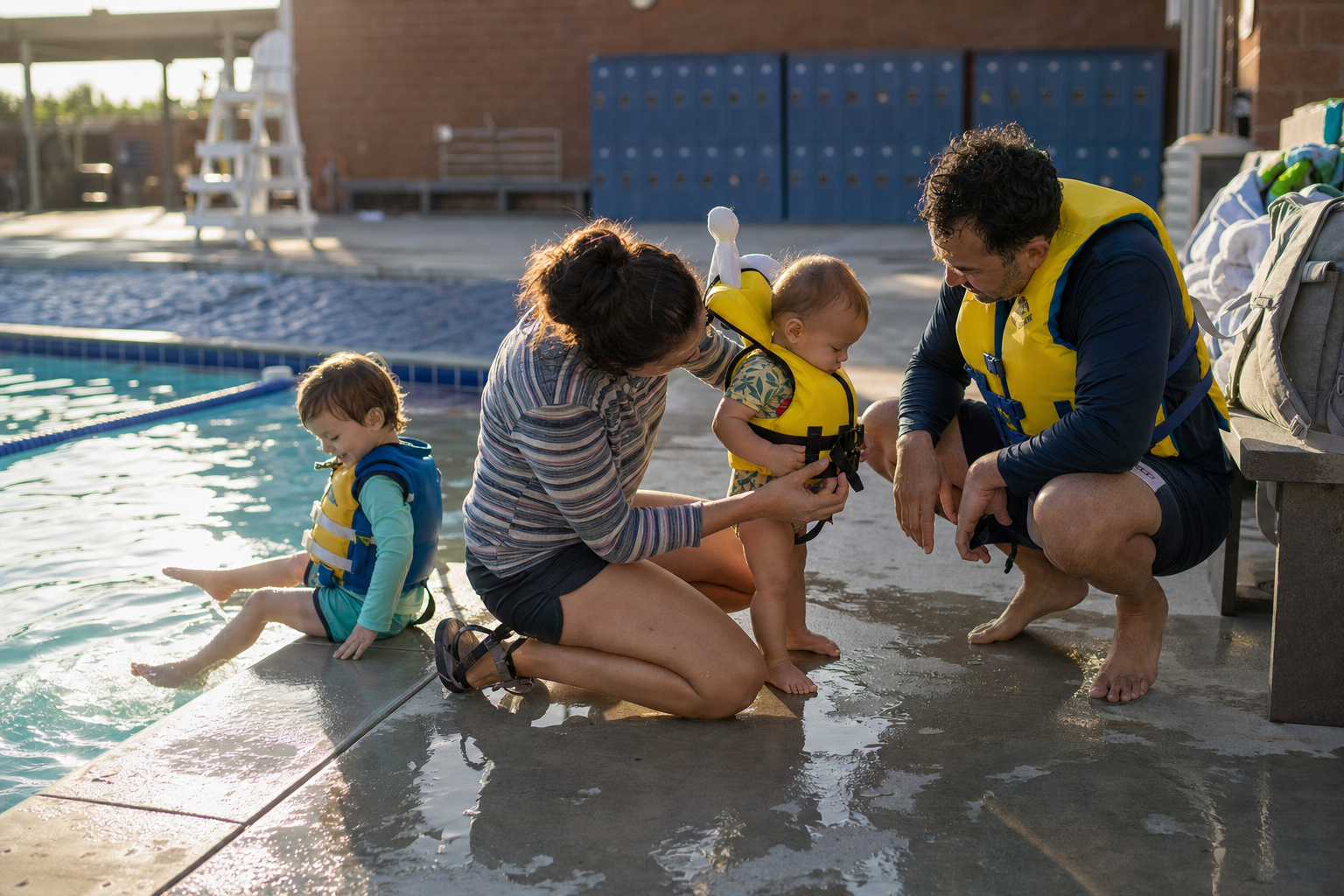
When you’re planning lake trips, river floats, ferry rides, or boating weekends this summer, teaching your infant or toddler to accept a properly fitted infant life jacket is one of the most important steps for calm, safe outings. While the thought of a squirming baby in a vest can be daunting, a little preparation turns fear into confidence—for both of you.
Wearing and fitting: what a proper infant life jacket really means
A correctly fitted infant life jacket isn’t just comfortable—it can save lives. According to UC Davis Children's Hospital, always check the weight and age limits on the life vest label, don’t use one that’s too big or too small, make sure it isn’t torn or leaking, and always secure all buckles and straps. When you lift your child by the shoulders of the vest, their chin and ears should not slip through; if they do, try a smaller size or one with a crotch strap. (health.ucdavis.edu)
The American Red Cross stresses that for all small children and weak swimmers, a Coast Guard–approved life jacket should be worn any time they are on or near water—even at a beach or dock. These are legal requirements in many areas. These vests must be the right type for the activity, properly fastened, bright in color, and maintained so that zips, straps, and fabric remain in good condition. (seattlechildrens.org)
Body position in water matters: infant or toddler vests should help keep the face clear of the water. A vest that tips them forward almost certainly isn’t doing its job. Test your life jacket in shallow water while securely holding the child. The U.S. Coast Guard recommends testing with the very child who’ll use it; if it doesn’t perform well, even in a practice, try another style. (dco.uscg.mil)
Why dry-land baby life jacket practice helps—and how to do it
Putting the vest on ahead of time and letting baby wear it around the house helps build familiarity. Start with short moments—let baby sit in it during indoor time when there’s laughter, smiles, and distraction. Make sure buckles are fastened correctly and rows of straps are aligned. Even before any water enters the picture, this work builds trust.
WaterWiseKids offers helpful dry-land activities that enhance safety habits without needing to swim. One of them is the “life jacket fit challenge”: indoors, parents put the infant life jacket on, fasten every buckle, then lift the child by the shoulder straps. If chin or ears slip through, it’s not a good fit. Practising this a couple of times ensures that by the time boating season rolls around, the vest fits well and feels familiar. (waterwisekids.com)
In addition to practising fit and feel at home, consider using the swimy.org 10-Week Plan, which provides structured steps to build infant and toddler water confidence. Over ten weeks you gradually introduce elements like water exposure, comfortable float trials, skin-to-water contact, and ultimately life jacket trials—all building in positive associations. The 10-Week Plan from swimy.org gives parents a roadmap to reduce anxiety, teach safe near-surface movement and get toddlers relaxed with water. swimy.org
[[ctababy]]
Practising in a swimming pool before lake or river trips helps, as long as it’s done under safe, supervised conditions. Let baby feel water around feet and legs first, then gently support body as they float or splash. Praise every small success.
When and where “baby life jacket practice” becomes non-negotiable
Many laws in the U.S. require a U.S. Coast Guard–approved personal flotation device (PFD) for every child on board small recreational vessels. That includes infant life jackets for children up to 30 lb or whatever the manufacturer’s limit is. (dco.uscg.mil) In the UK, small boat safety rules require a life jacket for each person on board in specified waters and calls for compliance with BS EN ISO standards. (gov.uk) Whether boating at sea, rivers, or lakes, you need the right gear—not just for legal compliance but for safety.
When you’re planning family holiday weekends, activity holidays near lakes, or ferry trips, those two or three weeks before the season hits are the best time to get your child used to wearing the infant life jacket. Sun protection, weather changes, and rushed preparations are less overwhelming then.
Even when baby can paddle around pools in parent-led swim classes, remember that a life jacket does not replace arms-length supervision. Natural water (lakes, rivers, ocean) is full of currents, waves, sudden drops and unseen objects. That’s why the CDC lists "wear a properly fitted life jacket" as a key summer safety tip. (cdc.gov)
Overcoming resistance and fussing
It’s normal for babies or toddlers to hate their life jacket at first. New textures, restricted motion, and bright colors can overwhelm them. Begin with distractions: playtime while wearing the vest, cuddle songs, mirror reflections. Praise them lavishly for settling into it.
Let them see other adults—especially parents—wearing life jackets too. Modeling safe behavior not only normalises wearing the gear but also gives reassurance. Use gentle language: “This helps us float so we can play safely.” A toddler who sees you wearing one is more likely to accept theirs.
Transition practice into water slowly: start in shallow water with support, then gently include segments of water outings using the jacket even before full boat trips. For example, while standing on the shore or sandbar or docking area, baby wears the life jacket, so "boat trip mode" becomes associated with fun—not fear.
When your baby or toddler accepts a well-fitted infant life jacket, you get calmer, safer water outings. They enjoy rides and splashes; you spend less energy worrying. Every parent’s goal is a summer with memories, not emergencies. Use dry-land practice, correct fit, positive reinforcement, constant supervision, and approved gear—so every lake, river, ferry or boat day starts with confidence.
120+ swimming exercises sorted by age — with video and instructions. Developed by swim instructors, completely free.

120+ swimming exercises sorted by age — with video and instructions. Developed by swim instructors, completely free.