Giant Pool Floats: Fun or Hazard? Parent Rules That Work
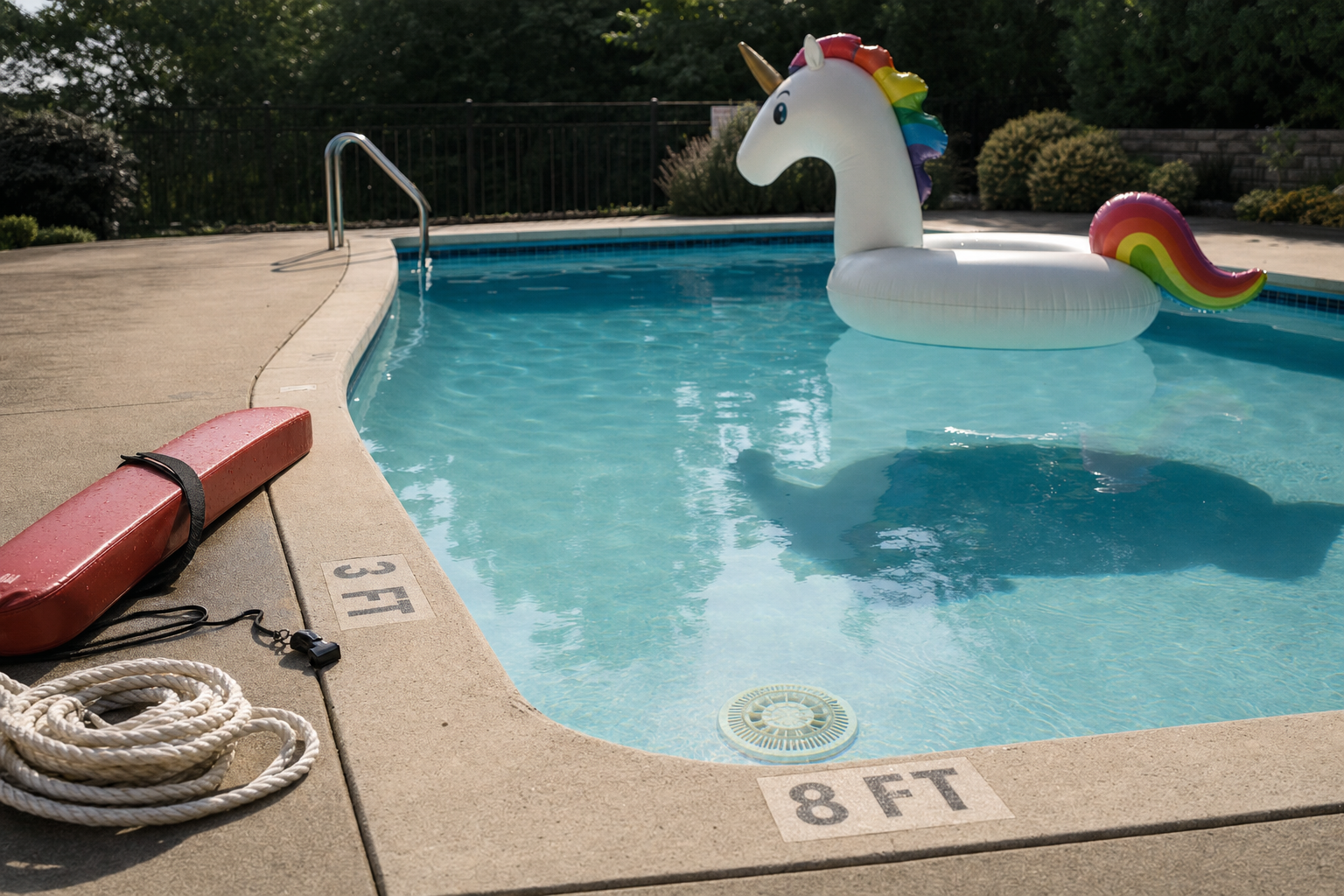
Giant pool floats are eye-catching, Instagram-ready, and perfect for summer chill time. But are they safe for your kids aged 6–12? Yes—they can be, if you follow some smart rules to keep the fun without letting risks take over. Read on for expert-backed advice.
Why Big Inflatables Aren’t Safety Devices
Those rainbow unicorns and giant donuts? Great for lounging—but dangerous if used as life jackets. According to the latest W.A.T.C.H. report, inflatable pool toys “aren’t life-saving devices.” They can flip, deflate suddenly, or drift into deeper water, even in shallow spots. Children can get trapped upside down or remain out of view under a float. (toysafety.org) Lifeguards also say large floats can block sightlines, obscuring kids in trouble. (wbez.org)
Because they offer no guaranteed protection for non-swimmers, always treat giant pool floats as toys—not as safety equipment.
What Every Parent Should Teach Kids
Even confident swimmers need rules to stay safe with big inflatables. Teach children aged 6–12 these essentials: launch/land rules, staying within reach, and what to do during breaks.
Launch and Land Rules
Before jumping or diving off a float, kids should always check there’s no one behind or under them. Feet first is the only safe way to land—no face-first dives unless it’s a guarded pool and the coach says it’s allowed. Waiting until everyone else is clear helps avoid collisions.
Staying Within Reach, Not Out of Sight
Kids should never drift too far from a supervising adult. Whether at home pools or hotels, be close enough to grab them. “Within arm’s reach” isn’t an exaggeration—it’s a safety rule. In open water or large pools, assign one adult as a Water Watcher whose job is to always keep children in view. (poolsafely.gov)
What Parents Need to Know: Visibility, Entrapment & Drift
While kids play, parents must stay alert to hazards, monitor safety settings, and know when to park the float.
Visibility Risks & Sightline Blockage
Large inflatables can create blind spots. Lifeguards and pool operators warn that when floats obstruct views from the deck, emergencies can be missed. Water clarity, glare, and crowded floats only worsen the problem. (lifeguarduniversity.com) If a float is hiding a child's face or body from view, deflate or remove it.
If you want a structured way to help your child progress at home, the 10-Week Plan guides you step by step.
Entrapment of Limbs and Hair
Drains, intakes, or gaps between inflatables can trap hair, limbs, or bathing suit ties. The U.S Consumer Product Safety Commission warns that most homes do not have anti-entrapment covers installed. Even minor touching of a drain risks suction injuries. (doi.org) Always check that drains are covered and avoid float play near ladders, especially those close to suction outlets.
[[ctakid]]
Drift, Weather & Deep Water
A float drifting in a light breeze can take a child into deeper water they can’t stand in. Lifeguards cite drifting as one reason many beaches ban giant floatation devices. (wbez.org) Monitor wind, stay close to shallow zones, and tether floats only when safe. Never tie ropes to drains or intakes.
Rules to Enforce: When to Park or Remove Floats
Even when used cautiously, there are moments when a giant pool float should be put away.
Turn off floats during breaks. Rested children make safer choices. When the pool becomes crowded—especially hotel pools—or suddenly shows reduced visibility (e.g. dusk or glare from the sun), inflatables should be parked. If supervision is pulled away, don’t let floats stay in use. Make it a house rule or hotel protocol: remove inflatables when no one’s watching or when visibility is compromised.
Practical Safety Checklist
Use this to keep giant pool float play safe at home or hotels:
- Always have adult supervision with eyes on kids—phones down.
- Teach kids specific rules: launch and land safely, stay within reach, no pushing or horseplay.
- Make sure floats are appropriate quality: no sharp edges, good inflation, sturdy handles.
- Avoid float use near items like ladders and drains; know your local pool or hotel setup.
- Require proper lifeguards or official supervision in public pools; obey posted safety signage.
- Recognize that floats are not PFDs (Personal Flotation Devices). Only approved life jackets count.
- Remove floats during rest breaks and check for fatigue, which can increase risk.
Swim Skills & Structured Practice
Having clear rules matters, and so does giving your child skills that last. Swim lessons make a huge difference. Learning survival floats, how to kick back to the wall or chase after a float without panic—all these help. One excellent program is the 10-Week Plan from swimy.org, which gives step-by-step safety and swim skills practice for children. Incorporate that skill training alongside your pool rules so your fun floats stay safer. (swimy.org)
Key Takeaways for Parents
Giant pool floats bring joy and laughter but come with real dangers. For children aged 6–12:
- Enforce launch and land rules.
- Keep kids within reach and under constant watch.
- Remove inflatables when visibility is blocked or risks increase.
- Always avoid relying on floats as life jackets.
With these safety rules, giant pool floats can be summer heroes, not hazards.
120+ swimming exercises sorted by age — with video and instructions. Developed by swim instructors, completely free.

120+ swimming exercises sorted by age — with video and instructions. Developed by swim instructors, completely free.