Goggle Defog for Kids: Safe Methods That Really Work
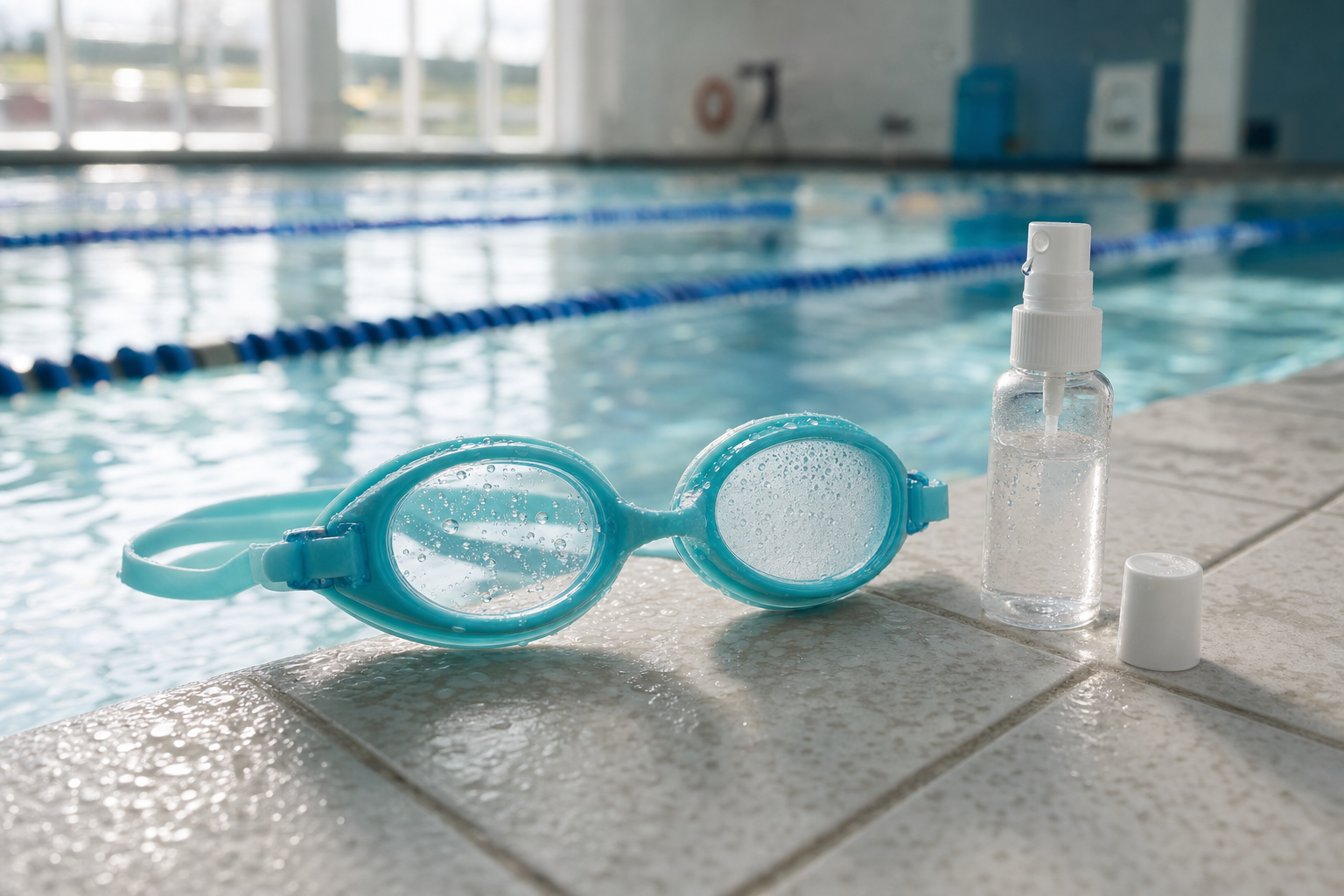
Start here if you're tired of your 5- or 8-year-old squinting through sweaty, foggy swim goggles. These solutions matter now in the pool so lessons stay fun all year round—not just in summer.
How to stop kids’ goggles fogging: what really works
Most new swim goggles come with a factory anti-fog coating on the inside of the lens. It’s hydrophilic, pulling tiny droplets of moisture into a thin clear film rather than letting them clump into fog. But this coating wears off with pool chemicals, rubbing, or even touching by fingers. Once it’s gone, you’ll notice fog that won’t clear until the swim ends.(xtremeswim.com)
To stop goggles from fogging, first avoid rubbing the inside. Every swipe with a towel or scratch with a cloth removes part of the coating. If fog begins to build and won’t dissipate, it’s time to use safe after-market treatments. Anti-fog sprays, gels, or wipes can revive that interior surface. For example, Gear Aid’s anti-fog spray is alcohol-free and designed to clean and protect lenses safely.(gearaid.com) Sea-Clear Anti-Fog Gel works well too and gives hundreds of uses per bottle while being gentle around kids’ eyes.(usdivers.com) Always follow the product instructions: treat with the goggle dry, let it cure, and avoid wiping it off.
Pre-lesson routine: a simple checklist
Start each swimming lesson with a quick routine. It takes two minutes but can prevent a lot of frustration during those 45 minutes of splashes.
Wet the lenses just before putting them on—clearing fog this way avoids that initial whoosh of cloud. Make sure the seal around the eyes is smooth: hair pulled back, skin free of makeup or sunscreen globs, strap snug but not tight. Teach your child to pull the strap on gently rather than stretching and snapping it. Tight straps that aren’t adjusted properly invite leaks. Inflating goggles just enough to feel suction is fine; anything beyond that can cause pressure pain.(marcusnmarcus.com)
Here’s where the 10-Week Plan from swimy.org adds value: if your child attends lessons twice a week, you can follow weekly checkpoints to inspect seal condition, lens clarity, and strap tension. Incorporate this plan to monitor anti-fog performance, so you know when to reapply treatments or replace goggles.(marcusnmarcus.com)
If you want a structured way to help your child progress at home, the 10-Week Plan guides you step by step.
[[ctakid]]
Safe methods vs common pitfalls
Some old tricks seem harmless but cause damage in the long run. Saliva, baby shampoo, or even a tiny dab of gentle non-abrasive toothpaste can be used in desperation—but always rinse well and treat these as temporary fixes. These may last only a single swim.(triathlete.com) What you should never do is rub the inside of the lens too hard, use washing cloths with abrasives, or let harsh chemicals—like undiluted alcohol or industrial cleaners—touch the lens. These strip away coating or scratch the polycarbonate so badly no treatment helps.(triathlete.com)
If you use products marketed as “anti-fog,” check that they’re safe for swim goggles specifically—especially on plastic or mirrored lenses. Some anti-fog options are alcohol-free, solvent-free, hypoallergenic, making them safer for kids. D-Fog spray from Moondog is one such chemical-gentle option.(moondogindustries.com)
Loose straps are also a frequent culprit. Straps that slip allow water in; water inside the goggles means moisture buildup and fog forming. Adjust straps before lessons; don’t just tighten until it hurts. If the gasket is torn, or strap anchors become brittle, it’s often time for a new pair.(specialty.vision)
When to clean, when to leave coatings alone, when it’s time to replace
If goggles fog only during the first couple minutes and clear up afterward, the factory coating might still be working. In that case, just rinse under clean tap water after each use and air dry, keeping them out of sun and heat. Don’t wipe the inside—just let it drip dry.(usms.org)
You should apply a safe anti-fog treatment when fog stays even after wetting the lenses, or after several swims in highly chlorinated water. And always clean when lenses are visibly dirty—oils, sunscreen, or residue trap moisture and reduce effectiveness. Use mild detergents or baby shampoo, rinse thoroughly, avoid touching inner surfaces.(marcusnmarcus.com)
Replace goggles when one or more of these happens: the lens becomes scratched or opaque and can’t be cleaned; the strap is cracked, stretched, or broken; the gasket loss its shape or flexibility; persistent leaks that adjustment won’t fix. These all affect how well the anti-fog tools can work.(specialty.vision)
Final thoughts: make lessons clear
Kids aged 3-12 deserve goggles that let them see clearly, build confidence, and enjoy lessons without stopping every few laps to wipe or adjust. Use a safe anti-fog spray or gel, avoid harsh cleaners or rinsing with chemicals you’re unsure about, and employ a simple pre-lesson routine. Keep insider tips like “don’t rub the coating” and “replace parts that leak or scratch” in mind. Do this, and you’ll stop goggles fogging for good.
120+ swimming exercises sorted by age — with video and instructions. Developed by swim instructors, completely free.

120+ swimming exercises sorted by age — with video and instructions. Developed by swim instructors, completely free.