Hourly Safety Breaks at Public Pools: Make Them Count
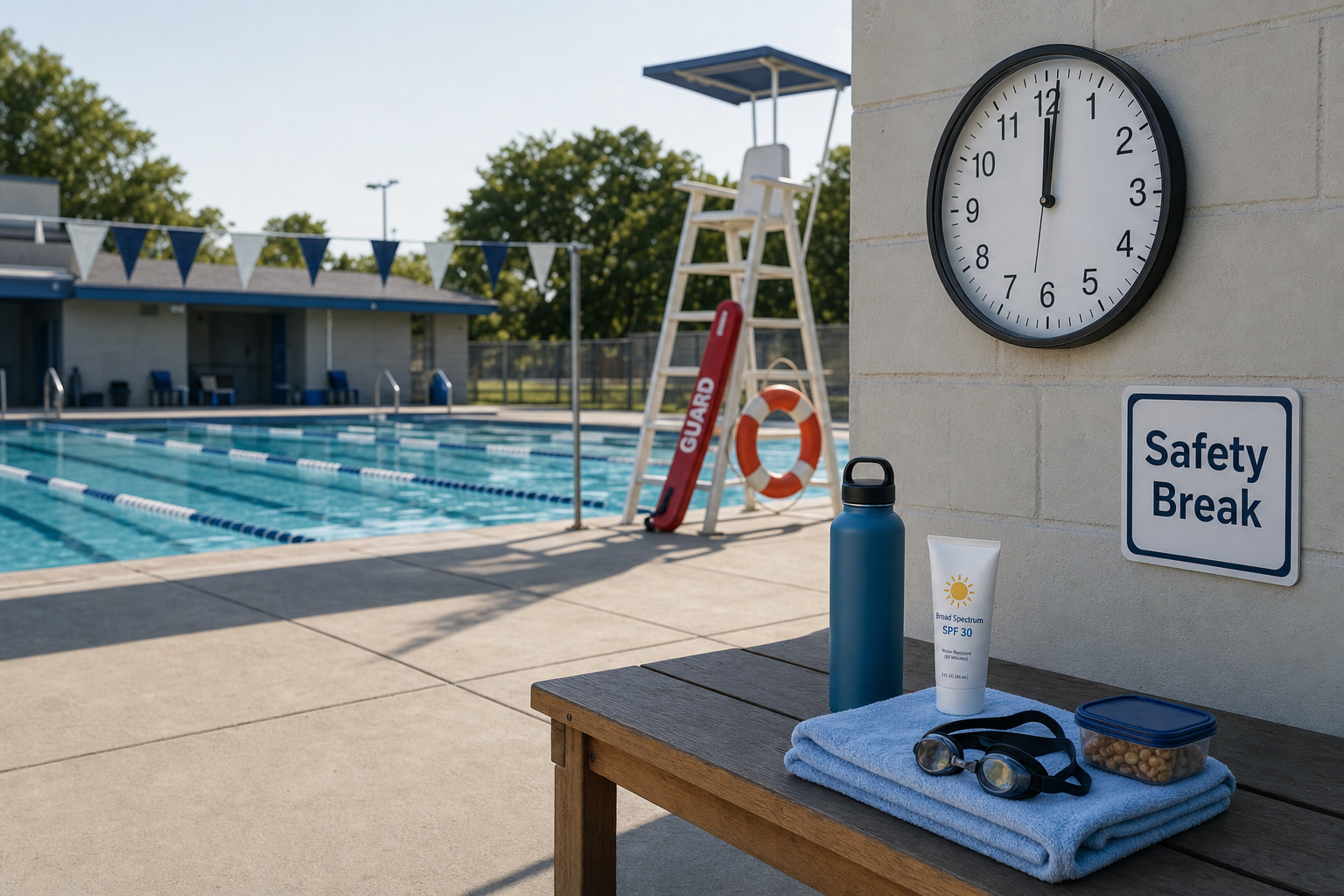
Hourly safety breaks aren’t just poolside rituals—they’re lifelines for kids aged 3-12. When the lifeguard calls everyone out for a 10-minute safety or adult swim break, it’s an opportunity packed with purpose. Think hydration, sun protection, bathroom trips, and resetting before heading back in. If you’ve ever wondered why public pools do this, what to do during pool break, or even what exactly happens at an adult swim break kids love (well, sort of), read on—this goes beyond “just get out of the water.”
Why Pool Safety Breaks Exist: More Than Just a Timeout
When a pool clears each hour, it's not about spoiling the fun—it’s about preventing accidents and keeping everyone safe. One big reason is bathroom breaks. Young swimmers often avoid taking breaks until it's too late, increasing chances of accidents—something public health officials warn against to reduce the spread of waterborne illnesses. (cdc.gov)
Fatigue is another major factor. Kids can swim hard without knowing when to stop; tired muscles mean sloppy strokes, breath-holding, or sudden panic in the deep end. Giving little bodies a 10-minute reset helps avoid mid-session meltdowns—and serious safety issues. Plus lifeguards need mental breaks and a moment to refresh vigilance. (files.eric.ed.gov)
Finally, sun safety plays a crucial role. Sunscreen worn at the start of the day is rubbed off by water and sweat, losing effectiveness. Public health guidance says SPF needs reapplication every 80 minutes in the water or sooner. This break is the right time to top up. (aad.org)
What to Do During the Break: Turn It Into a Helpful Ritual
A break isn’t just “pause swimming”—it’s a chance to address needs before they become problems. Here’s how to make the most of that 10-minute block: bathroom, hydration, snack, sunscreen, goggle check.
Bathroom stop: Make sure kids drain well before anyone jumps back in. It protects everyone’s health and comfort. Missing this usually causes worse scenes—wet accidents, tears, shouting—plus chemical imbalances in the pool.
Drink water: Even on cloudy days, water activity and heat spark dehydration. Make water—or an electrolyte drink—part of the break. A small snack helps, too; kids often burn fuel fast and then crankiness kicks in.
Sunscreen top-up: The rules are clear—apply at least 30 minutes before sun exposure, reapply after swimming or sweating, every two hours. Use broad-spectrum, SPF 30+, and water-resistant formulas. Check expiry dates. (healthychildren.org)
Goggle & kit check: Fix loose straps, wash goggles to clear chlorine, make sure swimwear isn’t twisting or harmful. Also dry off feet—pool surfaces warm up fast, and soggy feet get scraped or blistered more easily.
Stay put out of the pool until lifeguards say go: No hanging on the wall or tiptoeing in early. Breaks only reset when guards give the thumbs up.
Around 30-60% into the swim day, you might also incorporate structured lessons or games. Parents may find swim lesson programs like the 10-Week Plan helpful; the plan builds in rest and recovery so kids aren’t overwhelmed.
[[ctakid]]
How Parents Can Prep: Setting Expectations Before You Arrive
Let kids know in advance that every hour there’ll be a break. Make it a shared routine—little rituals like picking a spot to reapply sunscreen, or packing a favorite snack to have during breaks. That removes the surprise (and whiney resistance).
Bring a small kit: extra sunscreen, water bottles, dry towels, a healthy snack. Teach kids that breaks mean stepping out—no lingering in shallow water trying to clutch the wall. That’s unsafe and defeats the point.
Also, place value on hearing the guards: when they insist on everyone being out, it’s not optional. It ensures safety, prevents fatigue from crossing the line, and gives guards room to inspect water, adjust chemicals, or just clean up debris.
Top Mistakes to Avoid on Safety Breaks
Don’t assume sunscreen lasts all morning—without reapplication during water breaks, skin is vulnerable. Missed top-ups lead to sunburn that cuts the fun short.
Letting kids “just hang on the wall” during breaks undermines the purpose. The water still touches them; they don’t rest, dry off, or rehydrate if they're still half-in.
Skipping bathroom stops is another frequent fail. Had the conversation ahead: no matter what, use the restroom during every safety break.
“Adult Swim Break Kids” Might Actually Love It (With a Little Spin)
“Adult swim break kids” refers to those hours or parts of hours when all swimmers exit and sometimes it’s only adults allowed back in—or it’s just a safety break before full reopening. This can feel unfair to kids who just want to stay in. Framing it as a “power boost” for their next splash or a chance to grab something tasty and shade-cool can make them eager, not resentful.
Final Word: Why These Breaks Prevent Meltdowns
In one summer at a busy community pool, I saw a nine-year-old who refused to leave until break—but when the lifeguard insisted, I helped him grab a towel, drink water, snack on grapes, and reapply his sunscreen. Five minutes later, the shoulder slump disappeared, the cranky scowl turned into a grin, and returning to the pool felt like a fresh adventure again.
Breaks aren’t about stopping the fun—they’re about preserving it. By respecting “pool safety break purpose,” parents and kids can use every safety break wisely. From avoiding mid-session meltdowns to preventing accidents or sunburns, those 10 minutes are gold. Next time the whistle blows, take advantage: bathroom, water, sunscreen, and back to splash time—when guards say yes.
120+ swimming exercises sorted by age — with video and instructions. Developed by swim instructors, completely free.

120+ swimming exercises sorted by age — with video and instructions. Developed by swim instructors, completely free.