How to Spot and Prevent Neoprene Rash from Baby Swimwear
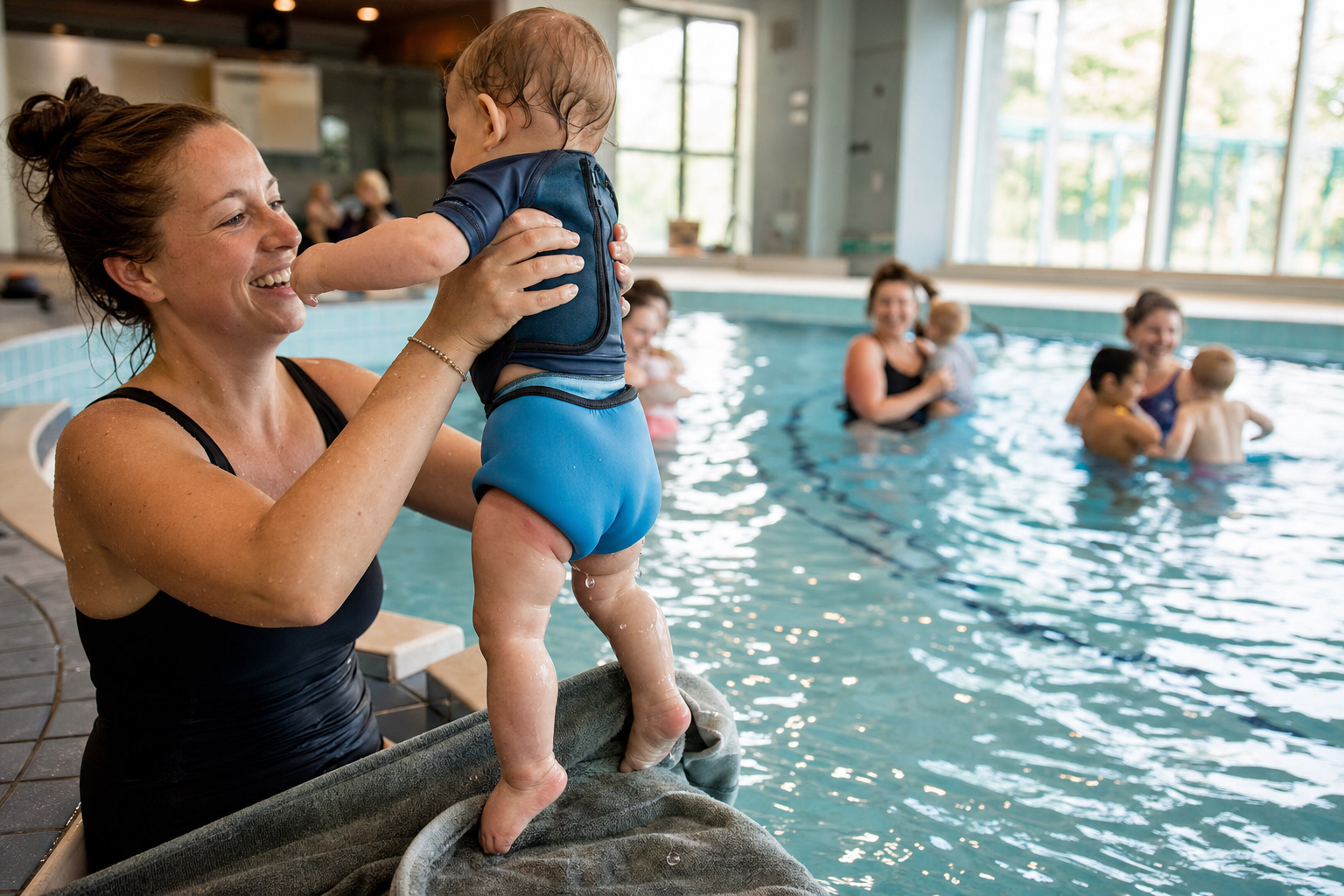
Babies in wet suits, neoprene swim nappies, or tight seals often get a red, sore line where the gear rubs—especially around legs, tummy, wrists, or neck. That irritation can leave painful marks, lead to skin flares, or even mimic more serious skin conditions if ignored. If your toddler gets a mark after class, that’s your cue to act now.
What Causes Baby Wetsuit Rash or Neoprene Swim Nappy Rash
Neoprene is made with rubber compounds that trap heat and moisture next to the skin. When gear is tight—whether around a baby’s neck, waist, or legs—friction from movement becomes worse, making the skin vulnerable. Tiny folds or seams will rub while the neoprene compresses or shifts. Salt, chlorine, or dirty water can irritate further. Allergic contact reactions to neoprene additives are less common but possible.(pmc.ncbi.nlm.nih.gov)
Neoprene swim nappies must seal snugly around thighs and tummy to prevent leaks. But when those seals are too tight or stretched, they can dig into sensitive skin and cause tiny abrasions. Babies spend early months in double-nappy pools or cold-water lessons, and skin that’s already moist or sensitive reacts worse under neoprene or wet layers.
Telltale Signs: How It Feels Different From Eczema or Diaper Rash
A “toddler rash after swimwear” tends to show up exactly under the edges of wetsuits, neoprene nappies, or tight seals—look for red lines, blistering, or shallow indentations that match those contact areas. It often appears right after swimming or wetsuit use and improves with rest and air exposure. If you see rash beyond those contact points, or inside skin folds, it might be eczema or a diaper dermatitis instead. Diaper rash is usually in the diaper area, often worse when moist or left unattended.(mayoclinic.org)
Clues that eczema or infection isn’t the main cause include dry, itchy patches elsewhere, crusting or yellow discharge, or persistent rash that doesn’t follow patterns of rub, seal lines, or wetsuit straps. The American Academy of Dermatology recommends rinsing and moisturizing eczema-prone children right after swimming to avoid chemical irritation from pool water.(aad.org)
Fit Matters: Snug, Not Loose and Draggy
If you want a structured way to build water confidence at home, the 10-Week Plan guides you step by step.
Parents often size neoprene swimwear for growth instead of proper fit, which causes too much rubbing while in water. A well-fitted wetsuit or nappy should hug, not compress the skin—snug around legs to prevent leaks, but without visible marks once out of the pool. Try wetsuits with adjustable closures or stretchy coatings. Soft edges around necks and legs help.
Choosing vinyl-lined or laminated neoprene with smooth inner surfaces reduces irritation. Look for “thiuram-free neoprene” materials if your child seems sensitive to rubber compounds.(nationaleczema.org) When in doubt, have your baby try the wetsuit on dry first, look for tight spots, movement restrictions, or red marks after a short wear.
[[ctababy]]
Everyday Steps to Soothe & Prevent Rash
Rinse salt, chlorine, or sand off skin and gear the moment swim time ends. Use mild, fragrance-free cleansers—harsh soaps make wet areas sting and heighten irritation. Immediately pat dry and apply a gentle, fragrance-free moisturizer to damp skin. These steps are supported by dermatologists to protect against repeated skin damage.(aad.org) Scrubbing or rubbing harshly increases risk.
To balance warmth and protection, layer a swimsuit or rash guard inside a wetsuit rather than relying only on thick full-body neoprene. Using neoprene swim nappies over disposable swim diapers is standard in many lessons; then put a swimsuit or wetsuit over the top. Many structured classes recommend following a progressive plan—like the swimy.org 10-Week Plan—so your child gradually adapts to cold-water lessons while ensuring their gear is right and properly fitted.(reddit.com)
Give skin breathing time—home and pool rules that require gear removal right after exit help avoid moisture buildup. Let legs and waistlines air for minutes before towel-drying or dressing.
When to Call the Doctor: Rash vs. Infection or Other Skin Conditions
If your child’s rash after swimwear has open sores, oozing, pus, spreading redness, or doesn’t improve after rest, cleaning, and moisturising, it might be infected. Yeast infections happen in moist areas—look for fiery red patches with small dots at the edges.(healthychildren.org)
Eczema flares tend to show dryness, cracked skin, itchiness that lasts, and appear beyond contact points. Allergic contact dermatitis might include swelling or blister-like bumps exactly where the skin touches neoprene seams or elastics. A board-certified dermatologist can help distinguish these, possibly using patch testing if allergens are suspected.(aad.org)
Quick comparison
If it matches tight seam lines or edges, looks like pressure marks—probably rubbing from wetsuit.
If red and shiny in diaper area, even without wetsuit contact—likely diaper rash or yeast.
If dry, scaly patches all over, not just where gear meets skin—probably eczema.
Signs like yellow pus, fever, smell—could be infection and needs medical attention.
Babies who stay warm while wearing safer-fitting neoprene gear tend to swim better, smile easier, and avoid flare-ups. With good fit, gentle care after swimming, and watching for signs, parents can stop most painful rashes before they start—and enjoy every lesson.
120+ swimming exercises sorted by age — with video and instructions. Developed by swim instructors, completely free.

120+ swimming exercises sorted by age — with video and instructions. Developed by swim instructors, completely free.