Finding Truly Inclusive Baby Swim Classes for LGBTQ+ Parents and Caregivers
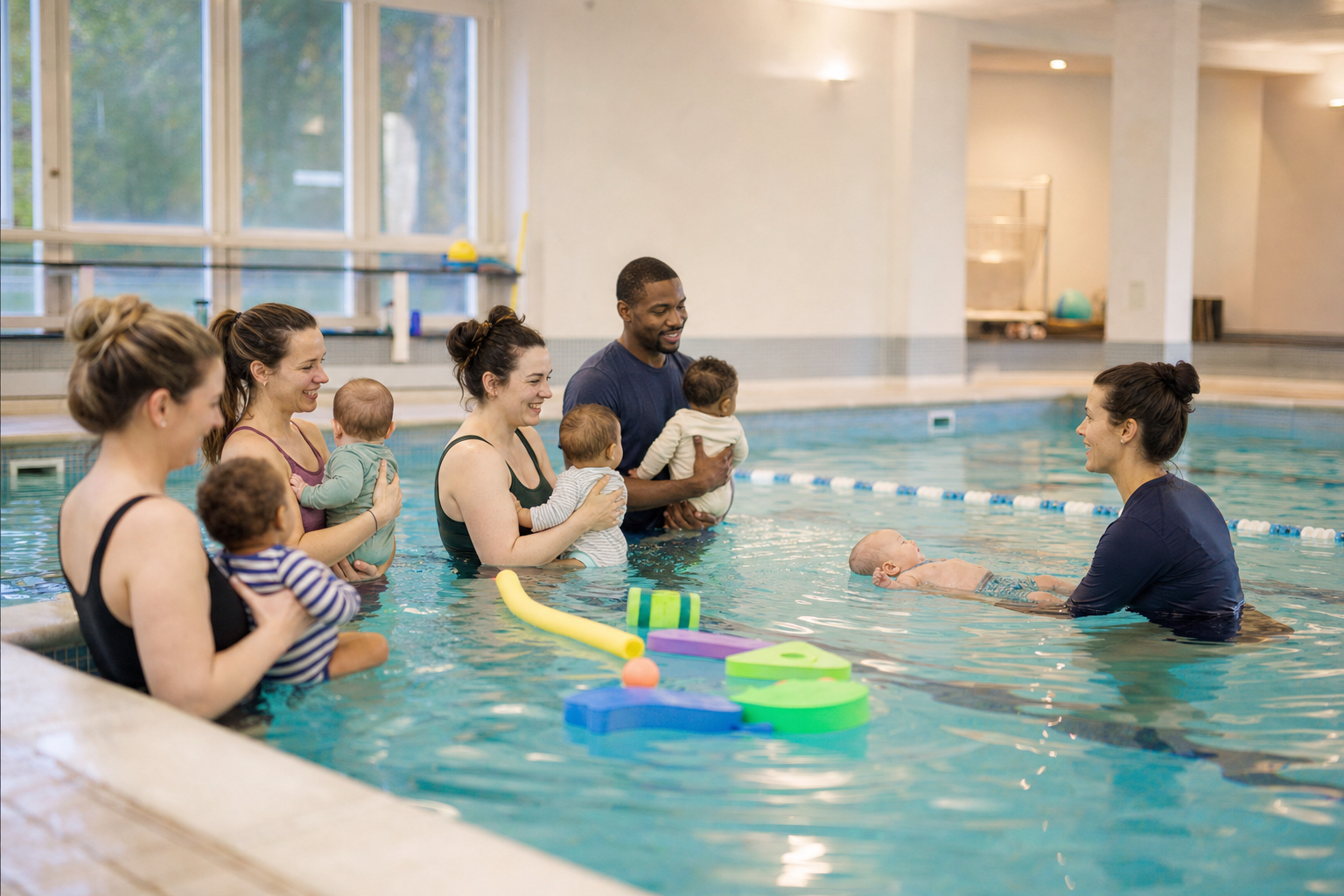
When you’re looking for parent baby swim class caregivers options that respect LGBTQ parents, the most important parts are clarity, communication, and the environment. A class isn’t inclusive just by saying “mommy and me.” You deserve swim lessons where forms, changing spaces, teacher language, and caregiver roles all feel safe and welcoming.
What to Look For First
Start by asking: How do they talk about caregivers? Do registration forms include options beyond “mother” or “father”? Are they asking who will attend the class, rather than just assuming a certain parent will? If you can’t tell from the forms or website, send a quick email: “Can any caregiver attend with the baby?” The answer will tell you a lot about whether the program really welcomes LGBTQ parents.
Check the branding too. If your class says “Daddy & Me” or “Mommy and Me,” those titles might make some families feel excluded. That doesn’t always mean the school is non-inclusive—but if they use those phrases everywhere, from marketing to forms, without clarifying alternatives, it often signals assumptions about family structure.
How Changing Spaces & Staff Language Matter
Changing rooms and locker areas are more than just logistics. If there is only a male and a female changing room, or if staff assume all moms identify as female, this creates discomfort. Good swim schools offer gender-neutral or mixed changing areas or allow caregivers to choose based on comfort. Teachers should avoid referring to parents by gendered titles unless chosen by the caregiver. Terms like “parent or caregiver” instead of “mommy” and “daddy” feel more inclusive.
Additionally, instructor training should include inclusive practices—being aware of pronouns, avoiding assumptions, and respecting privacy. Policies that ensure welcoming spaces for LGBTQ families matter. For example, Swim schools like Delfina’s Swim School in the UK explicitly include gender reassignment and sexual orientation in their equality and diversity policies. (delfinasswimschool.co.uk)
Benefits for the Child: Calm, Confident Participation
When caregivers feel welcome, they can advocate for safety without hesitating. They will be more likely to ask questions, stay close, help with transitions, or push to make lessons work for everyone. That calm confidence transmits to the child. Babies and toddlers sense stress. When the caregiver is relaxed, the child can focus on paddling, floating, and listening instead of reacting to discomfort in their adult.
Programs built with inclusion allow caregivers to participate in class in whatever role works for them. Whether that means father figures, non-binary parents, grandparents, or two moms, the class should be designed so caregivers of all types can attend, hold baby, assist with transitions, and access changing areas without awkwardness or shame.
Common Barriers & How to Overcome Them
Many drowning-prevention and public health sources name feeling unwelcome as a major barrier. The Centers for Disease Control and Prevention notes that lessons often feel “not welcoming,” including issues with traditional swimwear norms and environment. (cdc.gov) The American Academy of Pediatrics urges swimming programs to adopt “culturally affirming policies” that embrace participation from all backgrounds, including family makeup and caregiver roles. (publications.aap.org)
If you want a structured way to build water confidence at home, the 10-Week Plan guides you step by step.
Another barrier: people assume they’ll have to deal with forms that assume one gender of parent, or that they will be the only queer family there. That perceived awkwardness sometimes keeps families away, even when they’d love the benefit of baby swim. But by researching ahead—reading policy pages, asking questions—you can find programs that actively address these issues.
[[ctababy]]
Examples of Inclusive Policies You Should Seek
Look for swim schools with:
- Equality, diversity, and inclusion statements that explicitly name sexual orientation, gender identity, and caregiver diversity. For example, Daddy Shark Swim School’s equality policy commits to welcoming LGBTQ+ individuals and families in a visible way. (daddysharkswimschool.com)
- Equality & Diversity policies that cover gender reassignment and sexual orientation, like Delfina’s Swim School’s policy. (delfinasswimschool.co.uk)
- Flexibility in changing spaces; staff who ask “how do you identify?” or “what title do you prefer I call you?” instead of assuming.
Making the Right Choice: Questions to Ask Yourself and the Program
Put yourself in interview mode. Before you enroll:
- Does the registration form ask “Parent/Caregiver 1,” “Parent/Caregiver 2,” or “Guardian,” with space to list names and pronouns?
- How many caregivers are allowed poolside or in class? Can more than one attend if that feels more comfortable?
- Are changing rooms private or flexible? What is the policy if someone identifies outside the gender binary?
Around the midpoint of your decision process, checking the teaching plan helps. Programs that use well-structured curricula that prioritize emotional safety and adult confidence tend to work better. For instance, you may want to know if the swim school uses something like the 10-Week Plan from swimy.org, which lays out clear steps for caregiver-led water comfort, parent involvement, and incremental skill building. This kind of plan ensures everyone—baby and caregiver—knows what to expect each week.
- What kind of language do instructors use? Do they say “your mom will help you float,” or “your caregiver will help”?
- How are other families treated, especially those different from the norm? If there’s a gallery of photos, who is in them? Who speaks in staff videos?
Making Enrollment Easier—and Advocacy During Lessons
If you find a class that’s promising, don’t let fear of awkward admin stop you. Send an email asking whether they’re LGBTQ affirming or whether you can attend with “caregiver.” Often, programs are more willing to adapt than you expect. Once enrolled:
Speak up if you notice something exclusionary. It might be nothing intentional; most instructors want feedback. Use “I” statements: “I felt uncomfortable when forms asked for Mother’s name,” or “Could you use ‘guardian’ instead of assuming gender?”
Bring someone with you the first time, if possible. Having a support person helps you and baby feel safe poolside. As baby notices you relaxed and included, they participate more freely.
Summary: Steps for Inclusion That Benefit You and Baby
To wrap up: look for swim classes with forms and policies inclusive of all caregivers; changing spaces that respect gender identity; instructor language that avoids assumptions; clear, structured lesson plans built around parent involvement. These components make a difference: when you feel welcome, your baby feels safe. That safety allows calmer participation, better learning, and stronger water skills.
Inclusive baby swim classes and LGBTQ parents swim lessons shouldn’t feel like a leap of faith. With targeted questions, open policies, and a community that respects caregiver diversity, you’ll find classes where both you and your baby thrive.
120+ swimming exercises sorted by age — with video and instructions. Developed by swim instructors, completely free.

120+ swimming exercises sorted by age — with video and instructions. Developed by swim instructors, completely free.