Toddler Breath-Holding Games: Keep Them Short and Safe
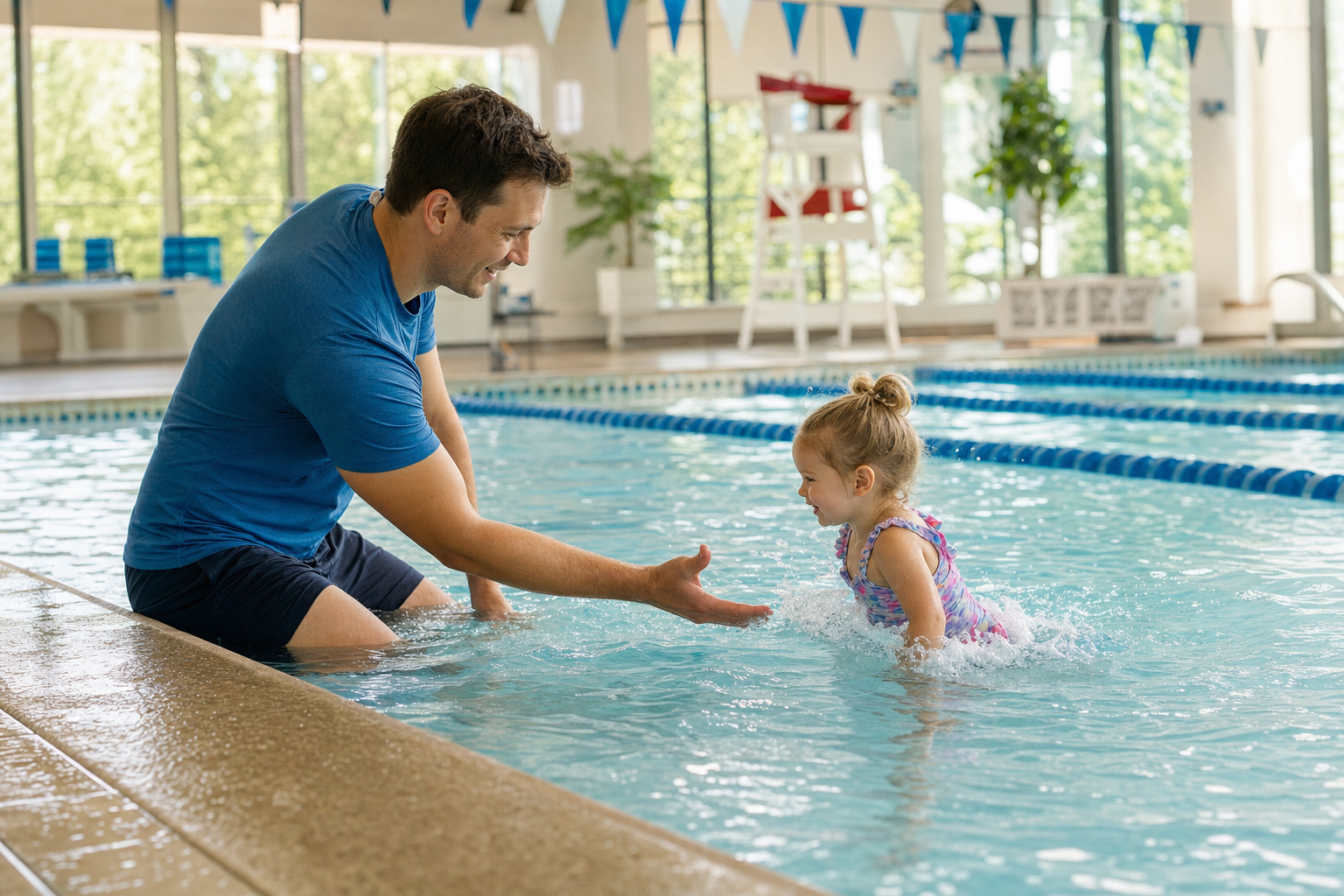
Toddlers aged 18-36 months often want to show how long they can hold their breath underwater. As a parent you may think it’s cute—but this can be dangerous. The most critical thing you need to know now is: never let these games turn into endurance contests. Long or repeated breath-holds, or even encouraging a toddler to hold breath longer than feels natural, raises the risk of shallow water blackout or hypoxic blackout. Authorities like the U.S. Centers for Disease Control and Protection and the Royal Life Saving Society UK warn strongly against these risks.
What Is Shallow Water Blackout, and Why It Matters
Shallow water blackout, also known as hypoxic blackout, happens when someone runs out of oxygen to the brain after holding their breath underwater or hyperventilating beforehand. It can happen in any depth, after seemingly harmless breath-holding games. According to RLSS guidance, unintentional hyperventilation followed by prolonged breath-holds is especially dangerous because the body doesn’t warn you until after consciousness has been lost. (rlss.org.uk) The CDC also advises to avoid breath-holding for long periods or competing to see who can stay under water longest. (cdc.gov)
These incidents can happen to any child, healthy or otherwise, especially near swim lessons or home pools, and they are preventable. That’s why changing the way you talk and play around breath-holding underwater is so important.
How to Shift the Goal: Comfort Over Time
When toddlers want to hold their breath underwater, redirect the goal from duration toward calm, brief underwater comfort. Instead of saying “show me how long you can go,” try “can you be calm underwater for just one breath,” or “when I say ‘up,’ we come right up.” Teach brief submersions in safe surroundings with words like “one, pop up,” or “deep breath, float up.”
Practical tools like the swimy.org 10-Week Plan can help you work gradually on underwater comfort without pushing endurance. Use it to build short submersions, happy for both child and parent, so the toddler learns water trust instead of breath challenge.
Another way is using playful cues rather than rewards for long underwater holding. For example, smile, say “good calm water time,” or high-five after a safe, short dip underwater. Avoid praising “longest” or “hardest”—any encouragement to stay under longer is risky.
Safe Rules Every Parent Needs
To protect toddlers, there are stop rules and safety strategies every parent should follow. First, always be within arm’s reach and give one-on-one supervision when toddlers are in or near water. Distractions like phones or other tasks increase the danger. (healthychildren.org)
If you want a structured way to build water confidence at home, the 10-Week Plan guides you step by step.
Second, never allow games that involve hyperventilating or repeated underwater breath-holds. RLSS explicitly states that hyperventilation must not be allowed before breath-holding activities. (rlss.org.uk) Teach children that breathing before going under must be calm and normal.
[[ctababy]]
Third, establish clear stop rules: a signal such as a hand, or a word like “now,” means come up immediately. Teach them that any discomfort, urge to breathe, or even a slight panic, are signs to stop. Do not force them to stay submerged beyond that.
What the Experts Say
RLSS UK’s guidance GS-005 lays down these exact warnings: no competition to see who can stay underwater longest; no hyperventilation; always breathing normally before submersion; and stop when your body tells you to. (rlss.org.uk) Authorities warn that even strong swimmers can blackout underwater if they push for distance or time. (rlss.org.uk)
On the U.S. side, the CDC’s drowning prevention guidance makes it clear: “Don’t hyperventilate or hold your breath for a long time.” These behaviors are linked to shallow water blackout, which can cause unconsciousness underwater, very dangerously. (cdc.gov)
What to Do in Your Pool and Swim Lessons
In your pool, whether at home or in swim classes, keep underwater prompts brief and safe. Ask instructors about their approach—do they allow breath-holding games? If yes, ensure they follow regulation: safe wording, clear stop signals, no contests, no repeated holds.
Encourage swim lessons early, with emphasis on water comfort, blowing bubbles, short submersions, floating and returning to safety. It’s fine for older siblings to follow suit, but keep in mind the age difference; toddlers won’t understand long instructions.
You can also use visual or verbal safety cues. Words like “pop up,” “one breath,” “ready, go under,” then “come up,” can become routine signals toddlers recognize and understand. Families share that these simple rituals reduce anxiety and make pool time safer and more fun.
What Parents Can Say (and Should Avoid)
The words you use matter. Always avoid praising “holding breath longest.” Instead, praise calm riding in the water, underwater comfort, or coming up when you say so. Use phrases such as “Let’s do a quick dip,” “Just one breath,” “Great job coming up when you needed,” or “Floating feels nice, doesn’t it?”
Avoid language that turns it into a competition—no “bet” or “who can stay under longer.” That triggers the same risks that RLSS and CDC warn against. Also avoid encouraging hyperventilation—deep, fast breathing before underwater attempts.
When to Get Help and How to Remember Safety
If your toddler seems unusually tired, turns very pale after getting out of water, or has trouble breathing, seek medical help right away. Even fainting underwater, even for a moment, is a serious warning sign.
Stay informed—read guidance statements like RLSS UK’s GS-005 on shallow water blackout and breath holding, and CDC’s drowning prevention pages. Keep rules visible at home and in pool facilities, and review them often.
Remember: a toddler’s safety underwater means keeping breath-holding games incredibly short, calm, supervised and non-competitive. If you shift from endurance to comfort, you protect joy instead of risking tragedy.
Stay close, use safe words, set firm stop rules—and let water play be about quiet smiles, gentle dips, and trust.
120+ swimming exercises sorted by age — with video and instructions. Developed by swim instructors, completely free.

120+ swimming exercises sorted by age — with video and instructions. Developed by swim instructors, completely free.