Shared Swim Toys and Baby Germs: What Every Parent Needs to Know
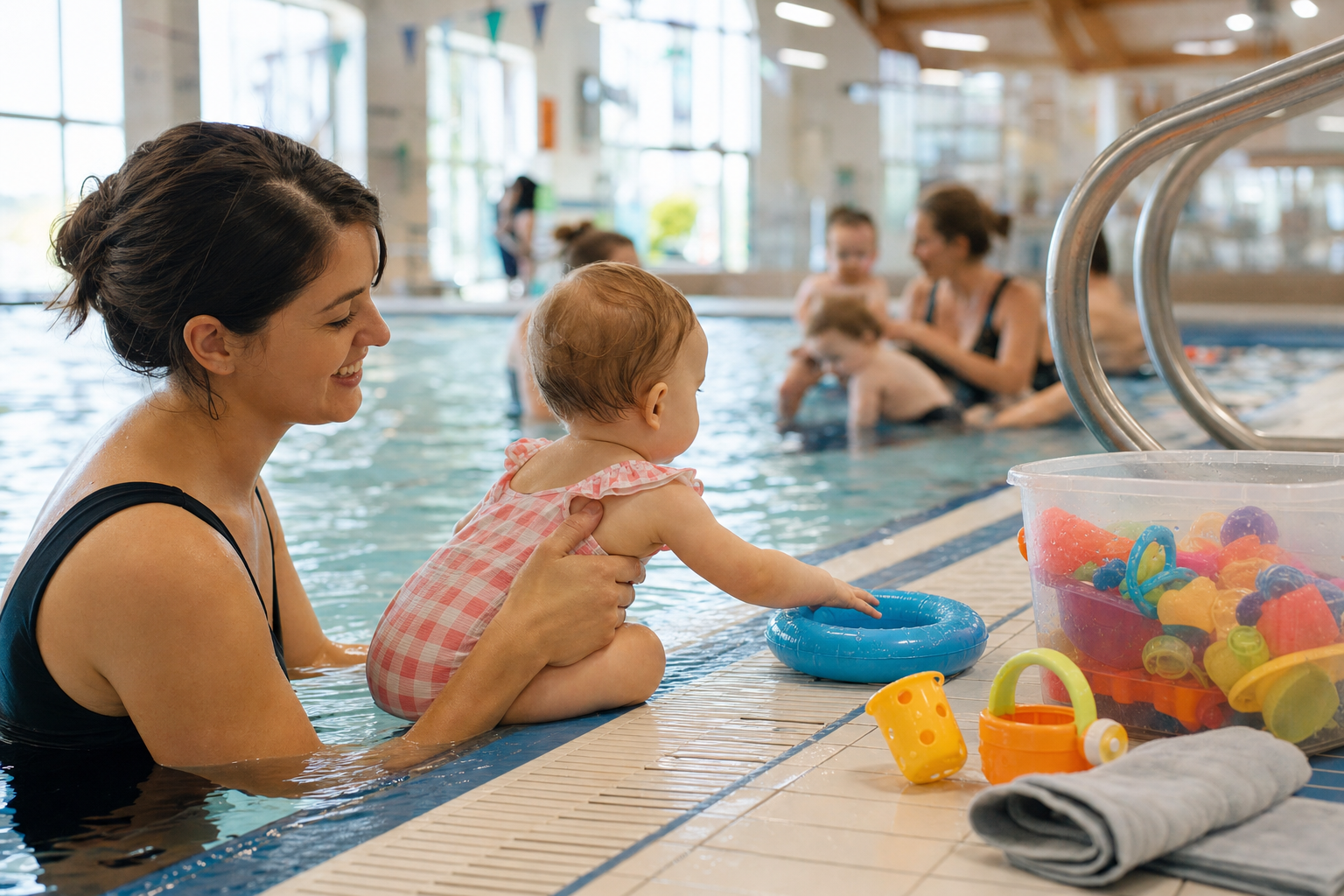
If your baby (aged about 6-36 months) loves grabbing communal pool toys, squishing stretchy squirters, or chomping down on chewable swim rings, you’re probably wondering: what germs are hiding in there—and what can I do about it now?
Shared pool toys can become hotspots for germs when babies mouth them or swallow water during play. The CDC warns that waterborne illnesses from colds to severe gastrointestinal bugs can spread via pool water, lakes, or splash pads when disinfectant levels are off or water is swallowed.(cdc.gov) Studies dating back decades have found tens of thousands of bacteria per milliliter inside hollow plastic toys, including pathogens like Pseudomonas and Enterobacteriaceae, particularly alarming in infants who mouth everything.(pubmed.ncbi.nlm.nih.gov)
The Royal Children's Hospital (RCH) in Australia emphasizes hollow water toys trap moisture, letting mold and bacteria grow inside if they’re not emptied and dried properly.(health.clevelandclinic.org) That means that squirt toys, cups, bath animals—or any toy that can fill with water—pose a germ risk for mouthing babies. And contrary to quick fixes, many germs are invisible and can persist even when toys look clean.
Recognizing Risky Toys: What to Choose or Avoid
Toys that encourage swallowing water or share saliva are the top offenders in spreading germs. That includes communal cups, squirters with small holes, sponges, and any chewables aired for sharing. These allow water—and germs—to pool inside, out of sight. Hollow squirters are especially problematic because you often can’t clean the interior well. Solid, sealed toys, or ones designed to come apart for cleaning, are much better.
Here’s what parents of babies 6-36 months should prefer: swim toys that are solid or have fewer parts; sealed chew rings; cups with drainable bottoms; soft toys only if they’re machine washable and assigned to a single child. Follow standards like AS/NZS ISO 8124 if you're in Australia; in the UK or US always check the label for toy safety markings and age-appropriateness.(productsafety.gov.au)
If you want a structured way to build water confidence at home, the 10-Week Plan guides you step by step.
Bringing your own toy to pool class or swim lessons is wise. For example, resources like the “10-Week Plan” at Swimy.org suggest parents who rotate and bring sealed, personal swim toys help reduce germ exposure and keep class resources cleaner.(babylist.com)
How to Clean, Rinse, and Rotate Swim Toys Right
Cleaning routines are crucial. After each pool or water play session, any toy that held water or was mouthed should be emptied, rinsed with clean water, squeezed dry, then left to air-dry completely. If you skip that, mold and mildew start growing. Weekly deeper cleaning helps—wash with warm soapy water, brush any crevices, and for toys that can be disinfected, use a mild bleach solution or appropriate disinfectant. Rinse thoroughly afterwards to remove any chemical residue.(babylist.com)
[[ctababy]]
Rotate toys so nothing is always damp. Having two or more sets means you can let one set dry fully while the other is in use. Replace any toy that starts to smell, shows visible mold, or has hard-to-clean interiors. Hollow squirters may need cutting open or tossing if mold is deep inside.(health.clevelandclinic.org)
When to Bring Sealed or Personal Toys
You’ll want to bring personally sealed or non-shared toys whenever your baby will be mouthy (around 6-18 months), or in group settings: swim classes, daycares, public splash pads, and even bath time with friends. Sealed toys minimize saliva sharing and water ingress. If shared toys must be used, make sure there’s a rapid clean-and-dry procedure between users.
At pools and splash pads, the CDC says swimmers should avoid swallowing water and parents should model that for babies.(cdc.gov) Also, shared items like flotation aids or toys must be disinfected regularly, and babies who have open mouth wounds or are especially fragile should use their own.(cdc.gov)
Safety Caveat: Toys Are Not Water Safety Devices
Even the best swim toy or ring doesn’t keep a baby safe near water. They’re play things—not flotation devices or life vests. Never use bath toys or pool cups to lure a child back to water unsupervised. Drowning is still a major risk for toddlers, especially ages 1-4, and toys that float or sit near the edge can attract toddlers back toward danger.(cdc.gov)
Bottom Line
Baby swim toys germs are more than just unpleasant-looking mold or slimy water—they’re a real health issue, especially in shared settings. For babies who mouth everything, shared pool toys can encourage swallowing contaminated water and spreading bacteria or viruses. Choose sealed, age-appropriate solid toys; clean and dry them thoroughly; rotate sets; and bring your own when possible. Use toys for play, but never let them become a reason to neglect safety around water.
With thoughtful choices and routine care, you can let your baby splash, chew, and enjoy swimming with less worry—and far fewer germs in the mix.
120+ swimming exercises sorted by age — with video and instructions. Developed by swim instructors, completely free.

120+ swimming exercises sorted by age — with video and instructions. Developed by swim instructors, completely free.