Is That Swim Class Too Far Away? A Smart Parent’s Guide for Infant Swim Lessons
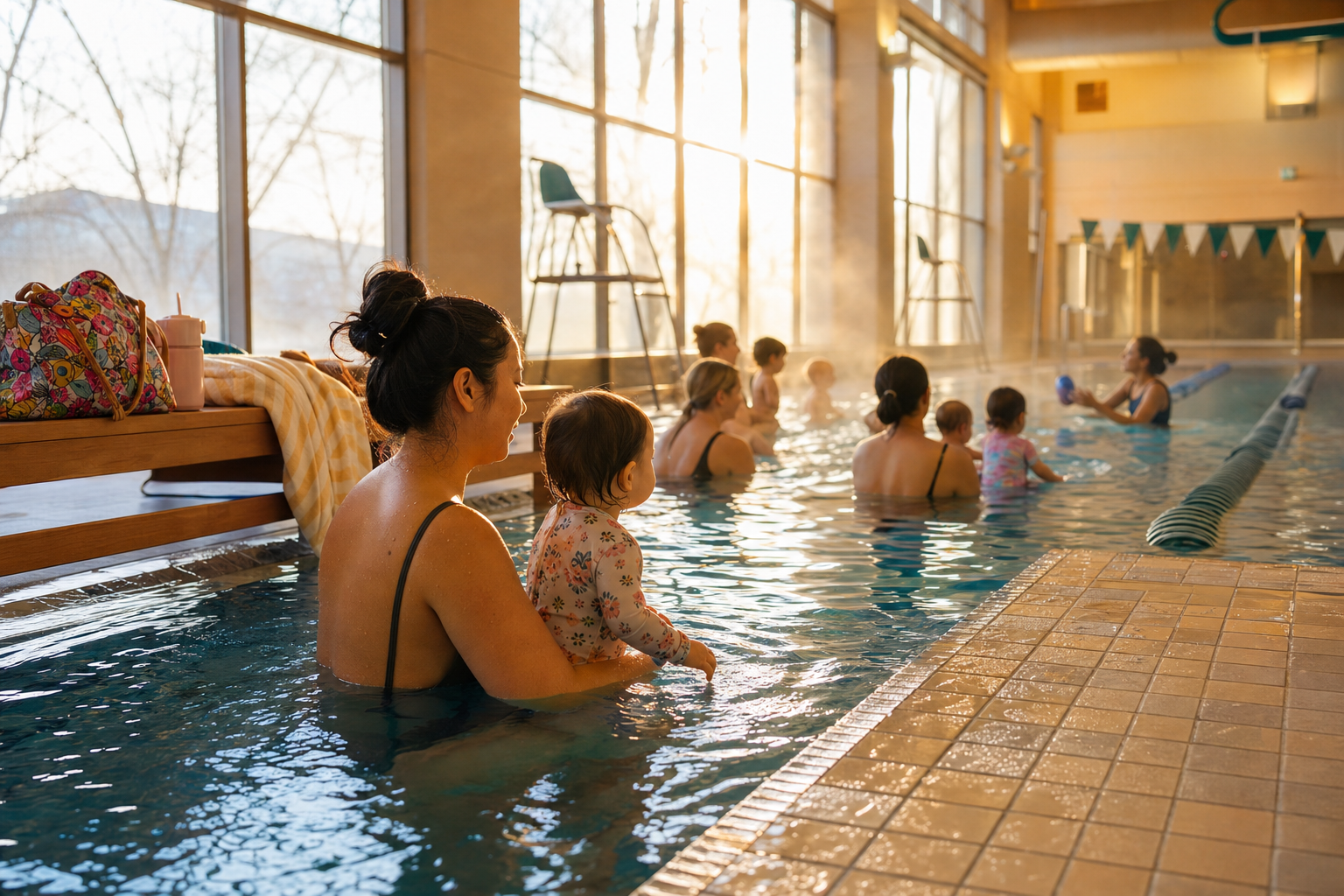
Deciding on an infant swim school that’s far away just for reputation? Think again. For babies aged 3–36 months, travel time, school facilities, nap schedules, and consistency matter more than brand cachet when it comes to how much swim lessons actually stick. Here's how to weigh the trade-offs when choosing between a highly rated swim school a long drive away vs. a closer, more convenient option.
Balancing Travel Time and Consistency
If your swim class is over 30 minutes away, road traffic, getting packed, parking, and warming up all add up. Longer commutes make late arrivals and missed lessons more likely. A shorter journey reduces stress for both baby and parent, helping everyone arrive on time, calm, and ready to learn. Experts stress that consistency—not one fancy school—is what builds muscle memory and safety awareness in young children. A kid who goes to class weekly at a nearby facility will often progress faster than one who occasionally attends a top-rated swim school far away. This applies especially for “infant swim lessons near me” searches where proximity often determines how religiously parents attend.
Timing Lessons Around Naps and Feeds
When “baby swim class schedule” overlaps with a sleep or feeding window, expect fussiness. Babies between 3 and 36 months follow wake windows that tighten with age—too long awake, and they get overtired, overstimulated, or even cold by the time class begins. According to research, scheduling lessons just after a nap or good feed means children show up alert and engaged. Lessons right before nap time? Usually rough. The “best time of day” guide for 3–36 month olds suggests late morning, after the first nap, or early afternoon if you have a long midday nap.(swimy.org)
A useful tool for syncing swim class with the rest of your routine is the 10-Week Plan of swimy.org. That plan helps you build a rhythm around nap windows, is something many parents use to avoid overtiredness and maximize comfort for both baby and caregiver.(swimy.org)
If you want a structured way to build water confidence at home, the 10-Week Plan guides you step by step.
Changing-Room Time, Facilities, and Arrival Margins
Think beyond the swim time itself. Changing and showering before and after class take extra time. If changing rooms are cramped or you have multiple kids, that adds up. Poor changing facilities can make a short lesson feel like a marathon. Include buffer time in your schedule—say, 15 to 20 minutes—for parking, changing, gear, and calming your baby. A swim school closer to home lowers that buffer and gives you breathing room.
[[ctababy]]
Also check if the facility has warm water, secure changing areas, and clean, private spaces. Kids under three are sensitive to temperature; toddler-friendly pools with water between 87-94°F are ideal.(swimy.org)
Instructor Quality Versus Travel Burden
High instructor quality matters—certifications, child-friendly methods, responsiveness to cues—but it can’t make up for missed lessons or a cranky, overtired baby. A great instructor won’t help if you're rushing in late, baby is cold, or you skip classes because traffic’s bad. Sometimes a “good enough” instructor nearby, coupled with reliably attended classes, beats the best far away one. Before enrolling, visit classes, watch teachers with infants, and ask about their student-teacher ratios.
Decision Strategy: What to Prioritize First
Start by listing your must-haves: instructor credentials, clean warm water, safe routines, a good “baby swim class schedule” slot, and reasonable travel. Then rank them. For many families:
- Proximity vs. commute time
- Time of day (after nap, not before bedtime)
- Facilities and warmth
- Instructor quality and safety features
If you choose a highly rated school farther away, make sure it wins out significantly on enough other factors to justify extra time and effort—otherwise, the closer school may actually deliver better, more consistent results.
What Travels Too Far?
If travel to a “highly rated” school means cutting corners on nap, feed, changing-room time, or you frequently are late—or skip—then it's probably too far. Babies start associating water with stress rather than fun. On the other hand, if a nearby school has regular opening hours, a schedule that fits your baby’s daily rhythm, and instructors who take cues from your child, then it may be the smarter choice.
Each parent’s situation is different, but keeping the focus on consistency, routine, arrival calm, and learning environment will pay off more than prestige or perceived brand identity.
Final Takeaway
For parents hunting “parent baby swim lessons near me,” the shortest creative route may well be the best. Reduce travel time, align lessons with your baby’s nap and feeding schedules, ensure good changing and pool facilities, choose a schedule you can commit to, and prioritize instructor quality without sacrificing convenience. Often, a closer swim class makes for happier babies, fewer missed lessons, and more joyful progress than one that’s reputationally fast but logistically far.
120+ swimming exercises sorted by age — with video and instructions. Developed by swim instructors, completely free.

120+ swimming exercises sorted by age — with video and instructions. Developed by swim instructors, completely free.