Kids’ Life Jackets 101: Fit, Labels, and When to Wear
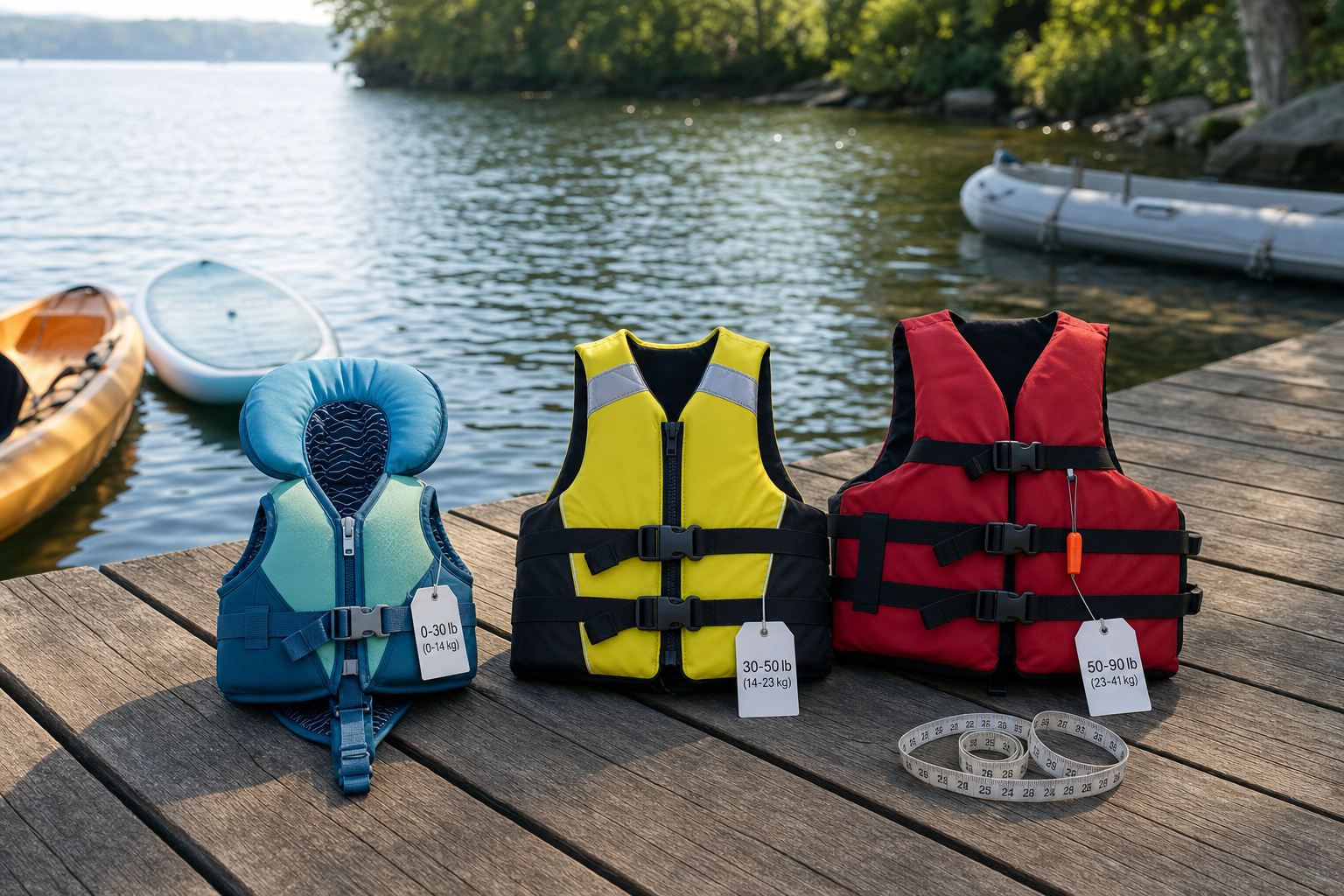
What’s a Type III PFD and when is it right for your child
If you want a life jacket that’s comfortable, non-bulky, and ideal for school-age kids doing boating, paddleboarding, or open-water play, a Type III PFD (in the US) usually hits the sweet spot. It’s made for a conscious child who can help keep themselves face-up in calm to moderate waters. Unlike Type I and certain Type II models, a Type III life jacket doesn’t promise to flip an unconscious swimmer automatically into a safe position—but it’s far less cumbersome and more practical for everyday use.
In the UK and Australia, similar products are often labeled under EN ISO 12402 or AS 4758 standards with a buoyancy level (for example Level 50, 100, or 150). If you see a “Level 100” jacket under AS 4758 in Australia, you know it provides higher buoyancy and may resemble what in the US are basic Type I or II models—so always check both the label standard and the buoyancy level. (transport.wa.gov.au)
How to fit a child life jacket properly—size matters now
Weight, not age, is the most important number when choosing a child’s jacket. In America, PFDs for kids are generally divided into these ranges: Infant (under 30 lbs), Child (30-50 lbs), Youth (50-90 lbs). If your child is 10 years old but only weighs 45 lbs, they need the Child size, not Youth. A jacket that’s too big is worse than one that’s slightly small.
When fitting: loosen all straps and closures, put the life jacket on, fasten zippers and buckles starting from the bottom up, then tighten evenly (torso first, shoulders last). If the jacket has crotch or leg straps, always use them—especially for younger children—to prevent the jacket from riding up over the head when wet. The “lift test” helps: gently lift by the shoulder seams; if the life jacket creeps up over ears or chin, it’s too big. It’s common advice in both UK and Australian sources.
Also note the “grow-into-it” pitfall: choosing a bigger size hoping your child will grow into it is risky. The fit depends not just on weight but shape. For young kids that means shorter torsos, narrower shoulders, so straps and crotch gear must be adjustable and well-anchored. (carbonzerow.org)
Approvals, labels, buoyancy: what to watch for in US / UK / AU
In the US, look for USCG approval and a Type or Level label (new standards have introduced “Performance Levels”—Level 50, 70, 100, etc.—in place of some old Type labels). A Type III PFD will often be labeled as Level 70, designed for recreational activities with moderate buoyancy. (nrs.com)
In the UK, lifejackets must meet EN ISO 12402 standards. Buoyancy aids and lifejackets follow certain buoyancy categories (50 N, 100 N, 150 N…) and have markings showing weight-range and intended use (e.g. sailing, open water). Leg-straps or crotch straps are frequently required, especially for younger children. (authoring.rya.org.uk)
By following these sizing, labeling, and usage guidelines, you’ll buy once—and use right. A well-fitted Type III or properly approved equivalent will give your child freedom, confidence, and safety across US, UK, or AU waters. Extra care during cold water months and regular checks ensure the jacket remains an asset—not a hazard. And if you’re helping your child learn to swim, combining great gear with instruction (like the 10-Week Plan) makes water time safer and more fun.
[[ctakid]]
Australian standards are under AS 4758.1 (in line with ISO 12402) with similar buoyancy levels: Level 50 for sporty, near-shore use; Level 100 / 150 for general boating or offshore. Always check the label that says “Approved to the Australian standard. AS 4758.1” if you’re buying in Australia. For children aged 1-12 years, confirm the lifejacket’s labelled weight range, try it on, ensure it’s snug without being confining.
When to wear it, and seasonal reminders for safe play
If you’re on a boat, in open water, or letting your child swim beyond shallow, supervised zones—wearing a life jacket shouldn’t be optional. In many US states, it’s required for children under 13 when a vessel is underway. Even on calm summer days, paddling trips, or inflatable rafts over shallow water, a properly fitted, USCG/EN/AS approved PFD can prevent tragedy. Non-approved float toys are not substitutes.
Cold water amplifies danger—kids lose heat faster, strength drops, and even a good PFD might work poorly if worn over heavy jackets or too much clothing. In colder months or mountain lakes, consider jackets with higher buoyancy and coverage like offshore styles, and ensure layers do not interfere with fit. USA standards and Australian sources both warn that water temperature and clothing affect performance.
Care, testing, and replacing: how to keep your jacket safe all summer
Before each season—maybe every few months—check zippers, straps, buckles, foam panels or inflatable components. Look for sun damage, mildew, broken stitching. Make sure labels are legible because you’ll need to see standard, weight range, approval details. Australia recommends recording purchase date on service labels, especially on inflatable jackets. (transport.wa.gov.au)
Give your child a swim session in shallow water wearing the jacket (as they’ll use it), practice lifting, turning, float position. If there’s movement in the water, the life jacket should stay secure. If it fails the lift test (shoulder pull), rides up over ears or chin, or if crotch straps loosen, then size down or try a different model. (nrs.com)
Replace if it’s damaged, smell-y, floats unevenly, or no longer fits. Kids grow fast—one jacket may not last the full season or several summers if their weight or body shape shifts significantly.
Regional labeling notes: saving time when buying once
In the US, the life jacket should say “USCG Approved”, have weight range (Infant / Child / Youth), and Type/Level info. In the UK, look for “CE” and EN ISO 12402 marking, weight limits, buoyancy (in Newtons), and whether it’s a lifejacket (collar comes up behind the head) or buoyancy aid. In AU, check AS 4758-1 and levels (50, 100, 150, 275N), plus bright colours, reflectors. These labels ensure legal compliance, quality test results, and let you mix and match features as kids grow.
120+ swimming exercises sorted by age — with video and instructions. Developed by swim instructors, completely free.

120+ swimming exercises sorted by age — with video and instructions. Developed by swim instructors, completely free.