Lifeguard Shortages: A Parent’s 2026 Swim Plan for Safer Pool & Beach Time
Why swim time is shrinking—and what you need to know now
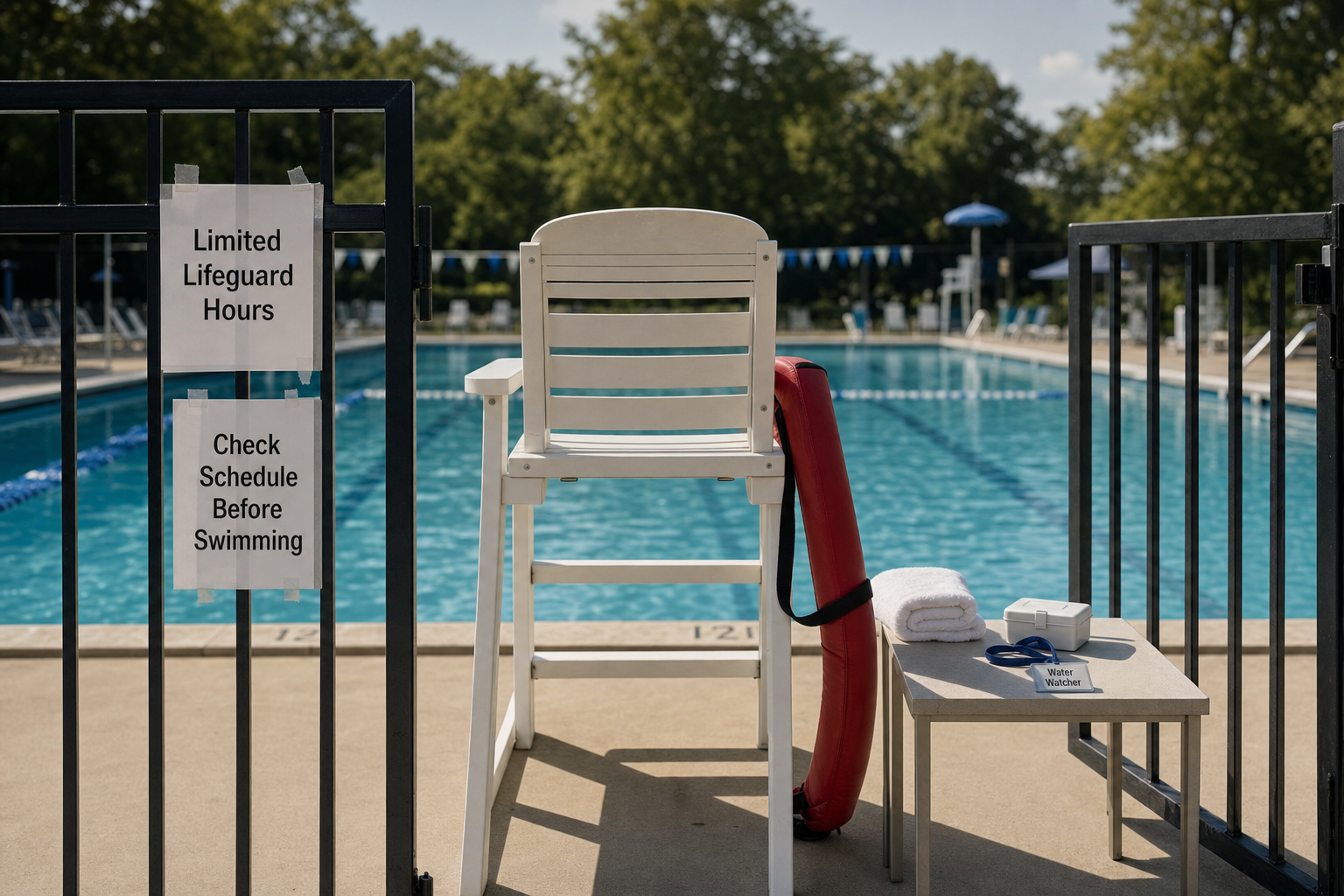
In 2026, many local pools are cutting hours or even closing days—most because there’s simply not enough lifeguards. This lifeguard shortage means swim lessons get cancelled, pools cap capacity, and deep ends close early. Parents of kids aged 3–12 are feeling the hit: missing out on crucial swim time and sometimes resorting to unsafe alternatives.
To cope, your first move should be checking if the beach or pool you plan to visit is actually lifeguarded, and what the patrol flags are. Ask the HOA, camp, or pool director directly. Never assume just because it’s a community pool or affiliated with a club there’s professional lifeguard coverage. When pools cut hours, start planning visit times around peak guard coverage—often early morning or mid-weekday. And tighten supervision at home or elsewhere: designating a “family Water Watcher” helps make sure someone always has eyes on the kids. The presence of guards doesn’t replace your role.
How to choose safer water options and adapt your routine
When pool schedules shrink or beach access is limited, pivoting helps. First, pick lifeguarded beaches over those with none. In the UK, for example, the RNLI runs patrols on over 240 lifeguarded beaches—use the “Find My Nearest Lifeguarded Beaches” tool before traveling. (rnli.org) For Australian families, or those in coastal U.S. states with volunteer beach patrols, check council or local beach-watch sites. Always swim between red and yellow flags—they mark the guarded zones. If those flags aren’t flying, no lifeguards are on duty. (hmcoastguard.uk)
Next, adjust timing. Peak heat and crowding often align with the hours when pools are short-staffed. Try early mornings: guards are fresher, lines shorter, and capacity limits are less likely. If a pool reduces summer hours because of lifeguard shortages—but still offers swim lessons—join one. Kids ages 3–12 need consistent sessions to build confidence. The 10-Week Plan from swimy.org outlines a clear routine of lessons, naturals, and parental practice days; it can help bookend your swim season with real progress.
Building your backup plan and confirming guard status ahead of time
When pools post weird hours, it’s usually tied to staffing gaps. For example, Vancouver’s rec centres recently cut pool hours by over half because lifeguards couldn’t be recruited or deployed correctly during school years. (cityofvancouver.us) These kinds of disruptions aren’t rare in 2026.
If you want a structured way to help your child progress at home, the 10-Week Plan guides you step by step.
So don’t just assume “open” means “guarded.” Call ahead. Use websites or apps—many municipalities list pool hours and lifeguard schedules. When you plan a beach trip, check local signs or flag-posting schedules on council or RNLI pages.
Always have a backup water-activity idea. If your pool of choice is understaffed, maybe a nearby splash pad or shallow beach works for younger kids. Be ready with alternate gear: life vests, shade tents, a lookout adult.
[[ctakid]]
What a “family Water Watcher” looks like—and why it matters
Assigning a family Water Watcher means one adult is fully in charge of supervising children’s time in or near water without distractions. The Water Watcher Program, adopted by places like Los Angeles County, is built around rotate-every-so-often coverage, keeping phones away unless needed for emergencies, staying within arm’s reach of less confident swimmers, and being alert. (ph.lacounty.gov)
Even when lifeguards are on duty, supervision from a parent or trusted adult improves safety dramatically. Organizations like the Prevent Drowning Foundation emphasize that water watchers are an essential layer of safety—not a replacement for swim lessons, lifeguards, or safe setting. (preventdrowningfoundation.org)
Tips to make your Water Watcher effective: pick someone not easily distracted, rotate every 15–30 minutes so fatigue doesn’t creep in, and agree beforehand with all members of your family who will be watching at what time. Teach kids where to find lifeguards, what the flags mean, and what to do if they lose sight of you.
Seasonality, safety tools, and spotting trouble spots at pools or beaches
Peak swim season—May through September—brings high temperatures, high demand, and unfortunately more water safety risks. Crowded pools feel less safe: loud water, busy decks, lifeguards overstretched. That’s when guarding ratios matter: when pools cap capacity or limit renters, it’s almost always linked to guard shortages.
At beaches, flags tell you about water conditions. A red flag means danger—stay out. Yellow flags say moderate hazard—stay extra alert. Purple means marine life risks. Even if lifeguards patrol, at peak times kids can slip through the gaps. Always supervise children, especially in surf zones or places with strong currents. (healthline.com)
Also, check your swim lesson schedule early each season. When lessons are regularly canceled because teaching staff must also be lifeguard-certified, drills and technique suffer. Set up private or smaller group lessons if local pools fail to fill all spots.
Final takeaways for parents planning summer swims
You can’t rely solely on the presence of a lifeguard when hours are trimmed or capacity capped in 2026. Always verify if a beach is lifeguarded, note what flags are flying, and assume you’ll be your child’s strongest safety net. Use the Water Watcher system in your family so someone is always alert and ready. When pools downgrade services due to staffing voids, have backup plans—alternate pools, beaches, or splash areas.
By checking ahead, adjusting schedules, and holding firm to vigilant supervision, your family can still enjoy summer swims without exposing kids to avoidable risk. Stay informed, stay prepared, and make every pool or beach visit count for both fun and safety.
120+ swimming exercises sorted by age — with video and instructions. Developed by swim instructors, completely free.

120+ swimming exercises sorted by age — with video and instructions. Developed by swim instructors, completely free.