Suit Chafe, Solved: Kid-Safe Fixes That Last
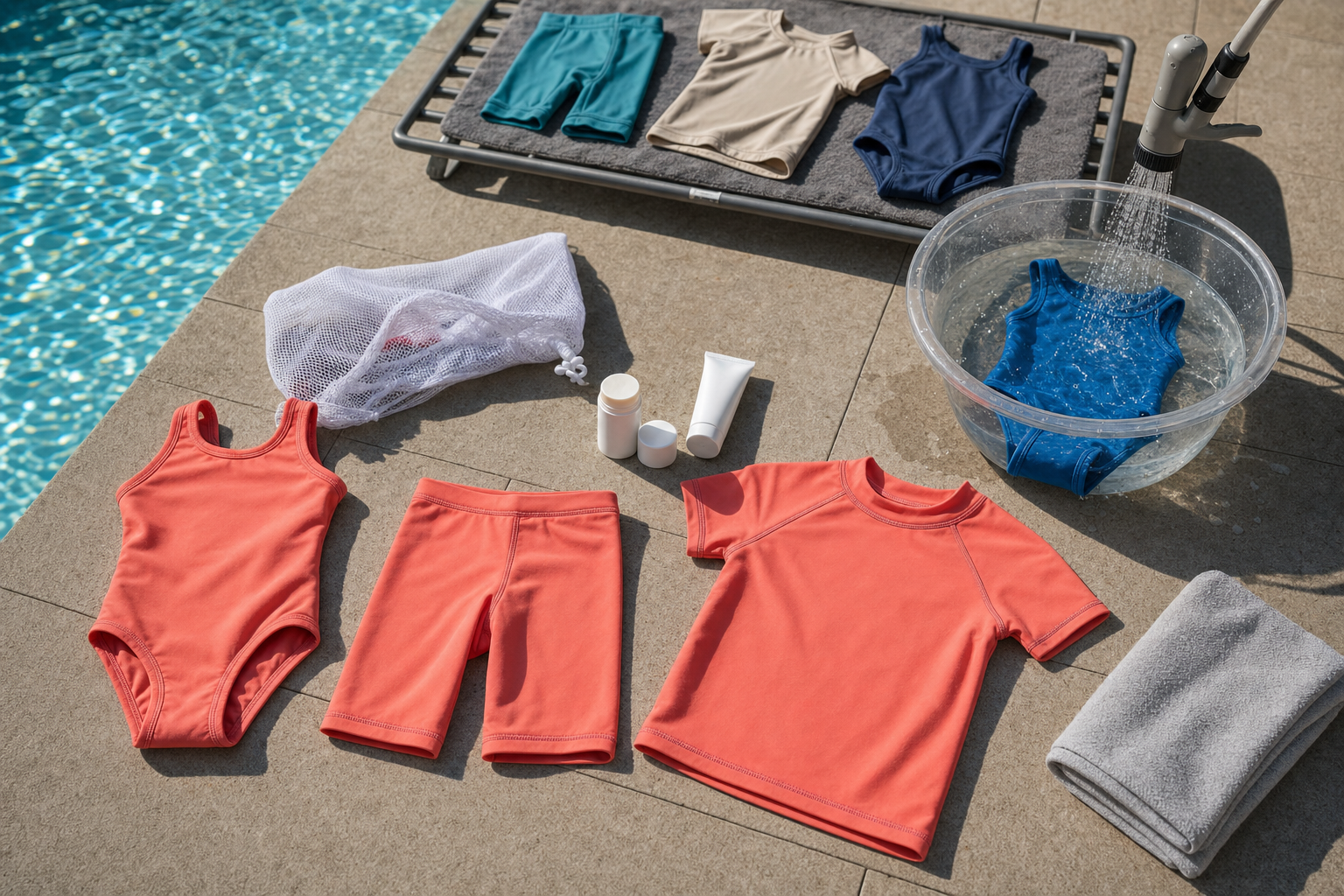
Nothing ruins the start of swim season or camp like seeing your 7-year-old wince every time they raise their arms. Swimsuit chafing in kids ages 3–12 isn’t just about discomfort—it can keep them out of the water. Let’s dig into why it starts and what fixes actually work.
Why Swimsuit Chafing Happens
Chafing is caused by friction, and several factors turn swimwear into a friction trap. Seams—especially big or thick ones—rub against delicate skin, especially under arms or where fabric moves with each stroke. Saltwater or chlorine dries skin and weakens the barrier, making even gentle rubbing painful. A suit that’s too loose lets fabric shift and ride, increasing seams’ contact; too tight, and elastic digs in.
Add in buildup from sunscreen, salt, or chlorine that hasn’t been rinsed off, and you have raw, irritated rash under arms or around thighs. Cleveland Clinic explains that frequent swimming plus tight suits and chemical exposures commonly lead to irritant dermatitis rather than rare true allergies.(health.clevelandclinic.org)
Quickest Fixes to Stop the Hurt
Seam Position and Suit Fit
Focus on where seams lie: soft flat seams or covered seams reduce friction against underarms, around straps, and between thighs. Choose swimwear with smooth edges where the suit meets skin. Every wash (yes, every!), seams stretch if straps or cuts are too tight—so pick a snug-but-not-pinching fit. For boys, a well-fitted jammers or trunks with waistband drawcords reduces shifting; for girls, one-piece suits with straps that stay put.
A high-quality rash guard with cold-flat or bonded seams helps, too—they’re made to protect sensitive areas and resist abrasion.(swimoutlet.com)
Barrier Balms and Safe Skin Protection
Barrier balms create a temporary shield between skin and material. Use gentle options like those with dimethicone, glycerin, or zinc oxide—never petroleum jelly under neoprene—it traps heat and breaks down seals. Apply a thin layer to spots that repeatedly chafe: under arms, between legs, across straps.
If you want a structured way to help your child progress at home, the 10-Week Plan guides you step by step.
Verywell Fit’s testing confirms that skin feels healthier and irritation drops dramatically after using anti-chafe creams or sticks before swimming.(verywellfit.com)
Swap Fabrics or Sizes When Needed
Materials matter. Polyester/PBT blends resist chlorine far better than elastic-heavy spandex; they hold shape, dry faster, and reduce friction. A new fiber or dye can stiffen a swimsuit until it’s washed. Also watch for growth spurts: a size too big or a suit stretched thin around seams will rub.
[[ctakid]]
When fabric gets saggy, stretched, or seams start loosening, it’s time to size up or replace. The right timing here prevents flare-ups. If you want a structured way to track when suits, rash guards, and care routines need refreshing, the 10-Week Plan from swimy.org gives you a reliable schedule to follow.(swimy.org)
Care Routines That Make a Difference
Rinse-and-dry is non-negotiable. After every swim, rinse the suit in cool water to flush out salt, chlorine, sunscreen, and body oils. Then gently squeeze out water—don’t twist or wring—because twisting stresses seams and elastics. Washing by hand with mild detergents helps avoid chemical residues. Skip bleach, fabric softeners, hot water, and direct sunlight when drying. Instead, lay flat in shade. These steps preserve fabric integrity and lessen rawness against skin.(swimy.org)
If rash appears, clean the area gently, pat dry, and let it air. Use barrier balm or an over-the-counter soothing ointment until healed. If rash lasts more than a few days, gets worse, or shows signs of infection, see a pediatrician.
What to Watch Out For—Pitfalls Parents Make
Parents often over-tighten straps to stop slipping, thinking that’s safer—but this backfires. Elastic digs in, skin is compressed, moisture gets trapped, friction increases. Aim for straps snug enough not to fall, but not causing red indentations.
Another common mistake is skipping the post-swim rinse. Chemicals stick to fabric and skin finish; letting them dry in place is a surefire way to trigger rash under arms or between thighs. And while barrier balms help, petroleum jelly or thick products under neoprene actually degrade it or reduce its insulation—avoid those under specialty swim gear.
Make sure your child isn’t allergic to fragrances or dyes in balms or detergents—always patch test.
Summary: Prevention and Comfortable Swim
Swimsuit chafing kids suffer from starts with seams, chemical exposure, and poor fit. Best fixes are smart seam placement, snug but not tight fits, rash guards, and safe barrier balms (non-petroleum) applied before swims. Develop a reliable rinse-and-dry routine, replace worn suits or swap fabrics, and avoid over-tightening or skipping care steps.
With the right gear and habits, your child can sprint, dive, and cannonball all season without rash under arms swimming—or anywhere else. Keep the focus on fun, not the rub.
120+ swimming exercises sorted by age — with video and instructions. Developed by swim instructors, completely free.

120+ swimming exercises sorted by age — with video and instructions. Developed by swim instructors, completely free.