Long Nails and Jewelry in Baby Swim: What Every Parent Needs to Know
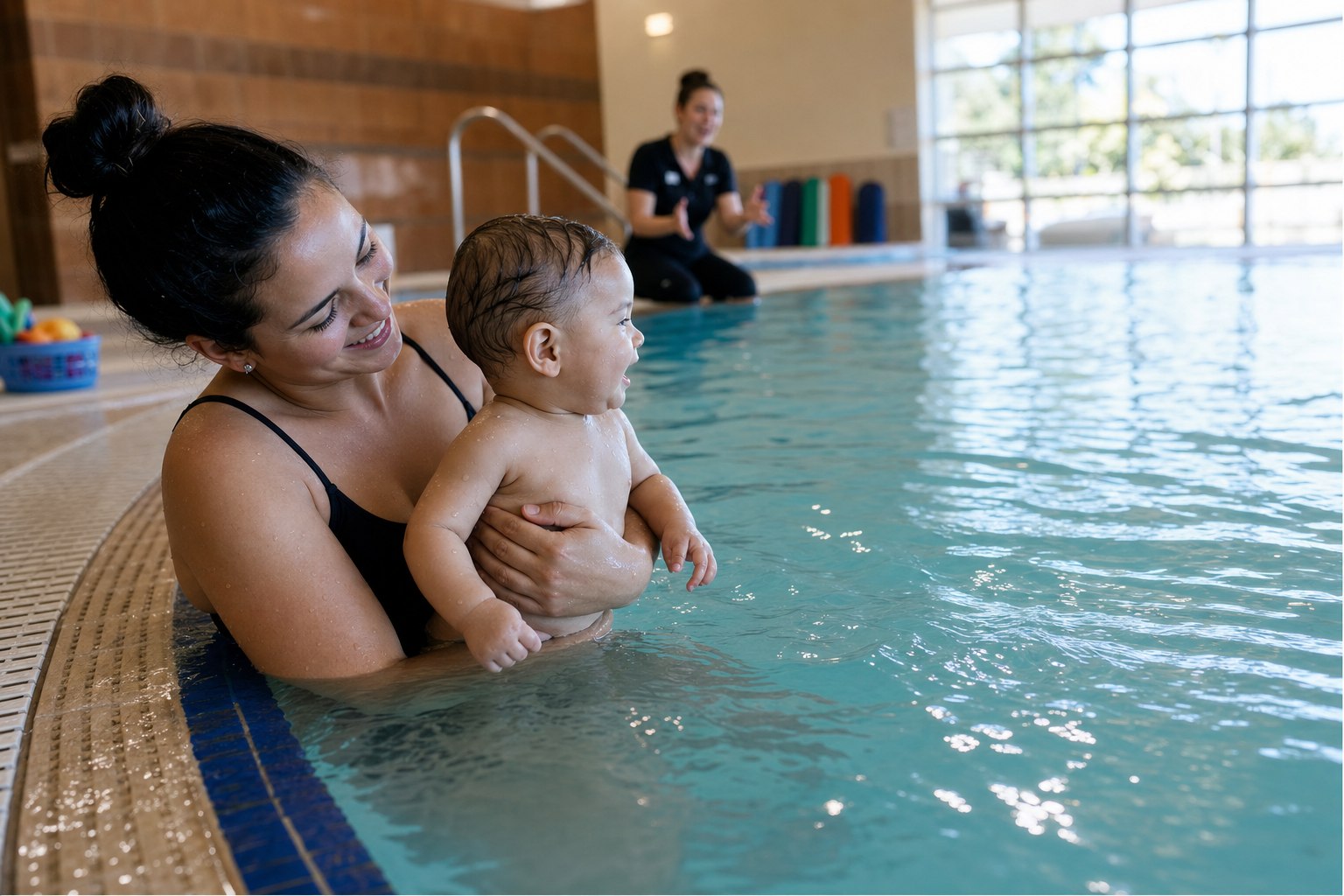
When you’re holding a slippery, wiggly baby wet from swim class, long nails, rings, and dangly earrings feel like hidden hazards. From itchy scratches across tender skin to jewellery catching on swimwear or worse, getting trapped in pool drains—parents often don’t think about what they’re wearing until it’s too late. This piece breaks down the real risks in baby swim class, what you should remove, trim, or secure, and how to stay safe without losing the fun.
What Small Hazards Can Become Big Problems Fast
Smartwatch bands, rings, necklaces, long dummy chains, and sharp nail edges are all innocent-seeming items. But in water they’re trouble. Smartwatches can snag on baby swimsuits during lifts or chest-to-chest holds. A wedding band or ring edge can scratch baby’s chest or arms when you cradle or carry them. Necklaces and pendant chains turn into grab toys for curious little fingers. Long nails hinder the ability to grip securely in emergency moments—like catching a suddenly slipping baby.
Pool rules in many UK leisure centres, US community pools, and Australian swim schools often say “remove jewellery, watches and other sharp objects before entering pool.” One UK centre clearly states this under its admission policy. (new.calderdale.gov.uk)
On a broader scale, Pool Safely points out that jewelry, hair, limbs or suits can become entrapped near drains or suction openings. (poolsafely.gov) These aren’t theoretical. The U.S. Consumer Product Safety Commission has documented cases from 2009-2013 where body jewellery got caught in a pool drain, or where a baby’s limb was drawn by suction and injured. (poolsafely.gov)
What to Remove, Tape, Trim, or Secure
To keep your baby swim classes safe and smooth, make certain everything you wear or bring is baby-friendly.
Remove shiny dangerous items
Before class, take off rings, bracelets, dangling earrings, necklaces, pendants, any dangling parts of accessories. If you must wear a medical alert bracelet or smartwatch, see if you can detach it or move it to the least risky wrist or use a slim band that won’t catch on things.
Tape or cover razor-edges
If you have ring gems or sharp watch edges, cover them with waterproof medical tape. A swim class teacher once told me that medical tape kept her wedding-band flush enough not to snag any swimwear.
Keep nails trimmed and smooth
Trim your nails short, file sharp corners. Babies love to explore and reach around—long nails only increase risk of accidental scratching or, in a worst-case slip-away, losing grip.
Parents who follow swim programmes like the 10-Week Plan at Swimy learn gradually how to support their baby in increasingly dynamic aquatic activities, so they can recognize high-risk moments and prepare their gear accordingly. https://www.swimy.org/10-week-plan
Secure hair accessories tightly
Hair clips, barrettes, bows, or elastics drop off and become distractions. Bun them, use soft hair ties, or avoid accessories altogether during lessons.
Choose gear designed for safety
Look for smartwatches or wristbands that have soft, smooth edges with silicone backs. Select jewellery only if it’s flat and has no posts or sharp bits. Avoid anything that could be a choking hazard or catch-point under water.
[[ctababy]]
Why the Mid-Swim Moments Are Riskiest
The transitions: water entry, lifts, turns to home, exit. When both caregiver and baby are wet, slippery, hands are dedicated to supporting the baby, and distractions abound, hazards are magnified. A shaky hold, sudden splash—long nails or rings can leave scratches. Jewellery gets a tug. A dangling pendant can pop off and be swallowed or lost. That’s when what seems harmless becomes dangerous.
Pool Safety Laws, Entrapment, and Why Rules Say “no jewellery”
In the U.S., the Virginia Graeme Baker Pool & Spa Safety Act requires public pools to have drain covers that prevent entrapment—including mechanical entrapment of jewellery or bathing suits. (nationalpoolsafetyauthority.com) The law and guidelines define mechanical entrapment as when jewelry, hair, or swimsuit fabric gets snagged in a drain or on a damaged cover. (nachi.org)
Pool Safely’s official safety tips advise caregivers to remove jewellery, hair, limbs, or swim suits that can snag in drains or suction fittings. (poolsafely.gov) UK, Australia, and other countries’ regulations echo the principle, even if their legal language varies. Many pools won’t allow entries if staff see jewellery, watches, or sharp accessories. Rules are in place precisely to prevent tiny hazards escalating into serious injury.
Actionable Tips Before Your Next Baby Swim Class
Always do a gear check before you head to the pool. Trim nails and smooth edges, remove jewellery and watches, and use safe hair accessories. If you’re pumping a smartwatch or medical band, find ways to pad it or shift it away from danger zones. Bring a soft washcloth or towel to dry hands so you're not slippery when holding the baby. Inspect the pool’s drain covers before getting in—if they’re cracked or missing, don’t ignore it. Speak up or choose a different facility if safety feels compromised.
When you’re the caregiver holding your baby, avoid putting baby’s forehead or chest against ring-covered fingers. Use flat hands instead. Choose swimwear without loose ties that can flail. Slip-on items like fleece wraps or cover-ups with velcro can lay flat and avoid hooks.
Final Thought: Smooth-Touch Protection Means Safer Swim Time
A few minutes of prep—trimming your nails short, removing or taping jewellery, choosing soft hairgear—makes all the difference in safety and comfort. What seems minor can become very real the moment your baby splashes, squirms, or reaches out. They learn and play best when they (and you) feel safe, secure, and unhurried.
The difference between a gorgeous, relaxing swim class and a worrying moment often comes down to small details. So get ahead of them now—before the splash, before the wiggly wiggle, before anything gets stuck or scratched. Your baby's skin, your peace of mind—they’ll thank you.
120+ swimming exercises sorted by age — with video and instructions. Developed by swim instructors, completely free.

120+ swimming exercises sorted by age — with video and instructions. Developed by swim instructors, completely free.