Moldy Bath Toys After Pool Practice: What Parents of Babies 6–36 Months Need to Know
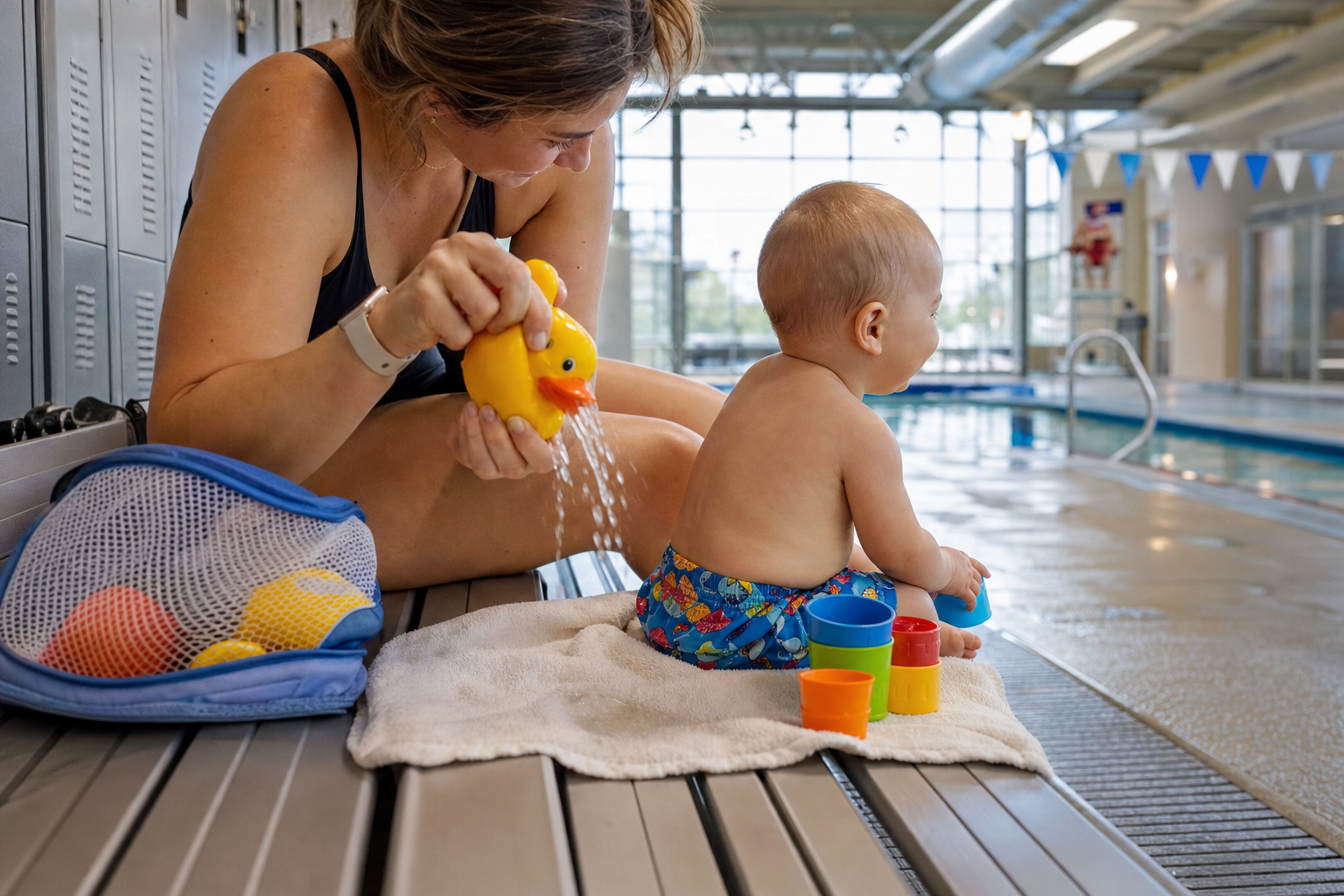
You’ve just gotten home from your toddler’s swim lesson, and you pull out those beloved rubber duckies and squeeze toys. But wait—have you noticed a musty smell, gray globs inside the hole, or dark spots when you squeeze water out? These are classic signs of baby bath toys mold. If your little one mouths toys, bathes with them daily, or practices pouring and water confidence between lessons, mold isn’t just gross—it could irritate eyes, mouth, skin, or even trigger allergies. Here’s how to protect your child with safer sensory play, how to clean bath toys baby-style, and when “enough is enough.”
Why Mold Happens and Which Toys Are Safer
Mold forms when moisture lives inside a toy without drying out. Hollow bath toys, squeeze ducks, squirt animals—tiny holes let water in, but they often don’t let it escape. Darkness inside plus warm water from pool or bath time makes a perfect breeding ground. Studies show nearly all hollow bath toys build up biofilm on their inner surface, with about 70% of them developing black mold discoloration over time. (pmc.ncbi.nlm.nih.gov)
For babies aged 6-36 months—especially those mouthing toys—choose solid, hole-free toys. The Cleveland Clinic, for instance, recommends selecting “solid toys or toys that can be opened up to allow you to clean inside them.” (health.clevelandclinic.org) These avoid trapped water. Plastic stacking cups, paddles, and rigid BPA-free animals are better than squirties and rubber ducks with sealed holes. The U.S. Consumer Product Safety Commission also emphasizes buying age-appropriate toys and avoiding toy features that trap moisture or pose choking risks. (cpsc.gov)
How to Clean Bath Toys Baby-Style (Step by Step)
You might assume that soap in bath water does the job. Spoiler: it doesn’t reach inside hollow toys or stop mold spores. Here’s how parents can stay ahead of mildew and mold.
- After every session, immediately squeeze out water from any toy that can be squeezed. Rinse it with clean water. (infantino.com)
- Use warm soapy water to clean outside surfaces. For toys with holes, you can “suck” or squeeze cleaning solution into the hole so inside gets cleaned too. Rinse thoroughly. (infantino.com)
- Once or twice a week, disinfect: soak toys in a solution like diluted bleach (about ¾ cup bleach per gallon of water) or weak vinegar solution, for five minutes. Then rinse and dry well. (infantino.com)
Between swim practices, you can also use tub-time itself as skill building. For example, while doing a “10-Week Plan” to build water confidence and pouring skills (see the 10-Week Plan at swimy.org), let your baby play with stacking cups and pouring toys—just ensure they are solid and can dry fully. These experiences help with motor skills, sensory play, and enjoyment without adding mold risk.
[[ctababy]]
When to Toss a Toy: Signs and Safety Caveats
Let’s be clear: some toys need to go. If you spot visible mold, bad smells, or persistent fizz inside that won’t wash off, throw it away. Cleveland Clinic pediatricians say if a toy “smells foul” or is “covered in mold,” it’s safer to discard rather than salvage. (health.clevelandclinic.org)
For babies who mouth toys or at high risk (allergies, immune-compromised), never leave a moldy toy or one with even slight black tint in their reach. Even biofilm not yet visible can cause irritation in eyes and mouths, especially for mouthing babies.
Safety caveats: always opt for solid, hole-free, washable toys. Avoid stuffing, soft porous materials, or soft plastics filled with liquid. Dry all bathing equipment thoroughly before storing to stop mildew from settling in. Health authorities remind parents that damp toys stored in closed spaces breed mold rapidly. (nshealth.ca)
How Often Should You Clean and Replace Toys?
If toys are used daily and mouthed often, clean the batch more aggressively—wipe or wash every day, disinfect weekly. If someone in your household is sick, up the cleaning routine. Otherwise, a steady, simple schedule keeps mold at bay. (consumerreports.org)
Replace toys if:
- They cannot be fully dried or opened.
- Mold or mildew returns after cleaning.
- They have a smell you can’t remove.
- The toy’s materials degrade (soft plastics that flop, break, or feel sticky).
Bath Games for Baby Swimming Practice Without Mold Risk
You want play that supports water confidence and fine motor skills—but also stays safe.
Use stacking cups, pouring sets, or solid bath animals to practice scooping water, pouring, and filling some jars. These give your baby feedback, help with reach, grip, coordination—all without hollow parts. Play “Pour and Spill”: let them pour water from one solid cup to another. Mirror “Scooping Ducks”: scoop solid toy animals floating in water.
Avoid games with squirting or hollow toys unless you are committed to daily cleaning and proper drying. Even then, hollow playthings increase risk of baby bath toys mold inside unseen spots.
Parents, you want your child to benefit from precious moments between pool lessons, building water confidence, exploring textures, reaching for objects in water. Solid, well-chosen toys make those moments safe and meaningful. Clean soaps don’t reach hidden mold; visible mold and smells mean throw-out time. When molds hide in hollow toys, especially those mouthed or held near eyes, that’s when health risks grow. Make smart choices, clean well, dry thoroughly, and play creatively. Every bath can be fun—and safe—for growth.
120+ swimming exercises sorted by age — with video and instructions. Developed by swim instructors, completely free.

120+ swimming exercises sorted by age — with video and instructions. Developed by swim instructors, completely free.