Nosebleeds at the Pool: Care, Prevention & Return-to-Swim Rules
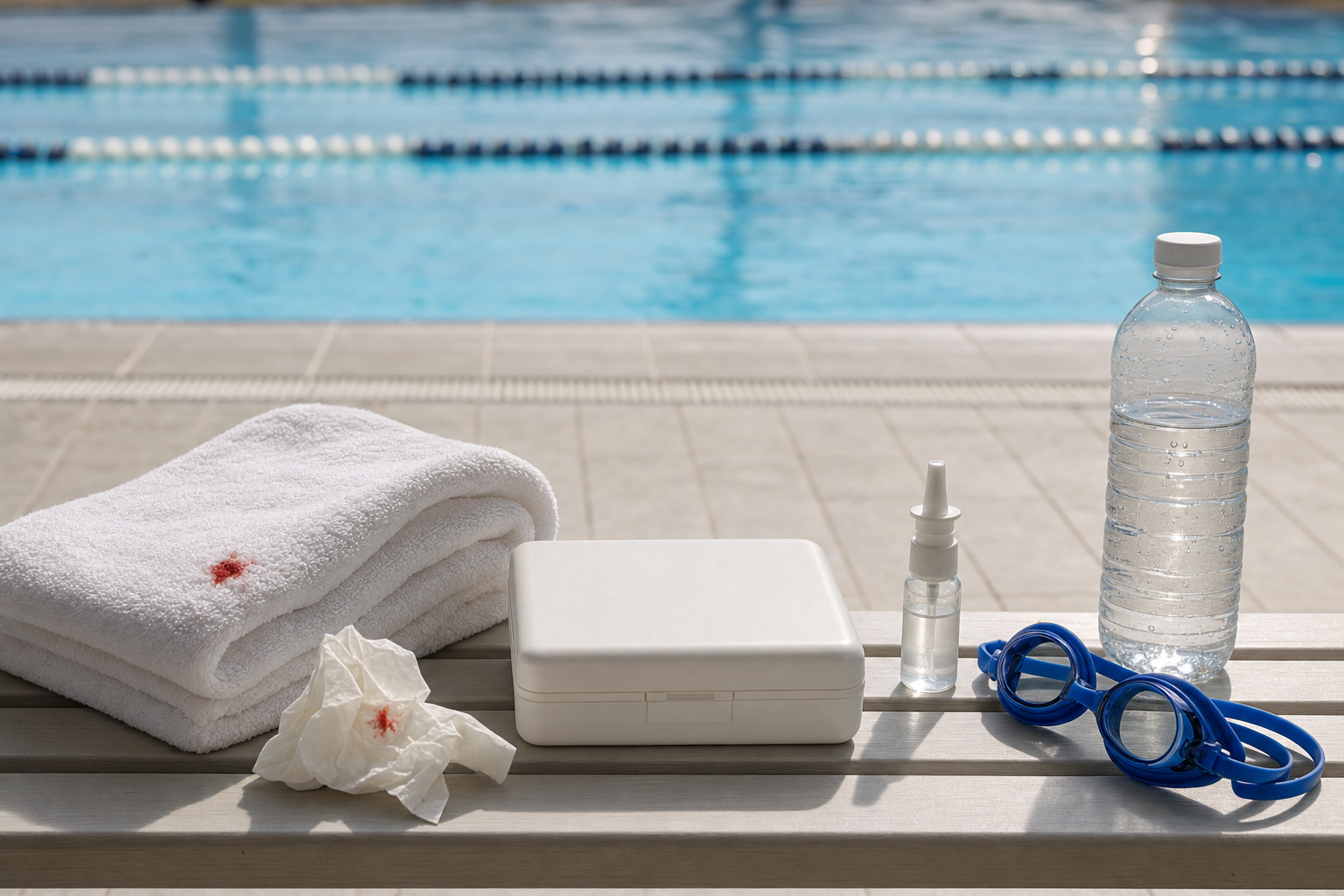
When you see blood dripping from your child’s nose poolside, the first thing on your mind is usually: "Can my kid swim after a nosebleed?" Here’s what to do right away and how to decide when it’s safe to get back in the water.
What to do during a nosebleed
First, don’t panic. Sit your child down upright, leaning their head slightly forward. Keep the head from tilting back—this prevents blood from running down the throat which could cause gagging or vomiting. Then gently pinch the soft part of their nose, just below the bony bridge, using your thumb and finger. Maintain firm pressure for 10 full minutes without stopping to peek. If the bleeding doesn’t stop, you might try again for another 5–10 minutes. Avoid stuffing tissues or inserting anything into their nose. Let gravity help, not hinder. Sound tough? Trust me—this works. These steps are backed by what experts like those at HealthyChildren.org recommend for stopping nosebleeds in children. (healthychildren.org)
Lingering bleeding after two rounds of firm pressure, or bleeding that lasts more than 20–30 minutes, calls for medical help. Also seek care if your child hit their head, is dizzy, breathing oddly, or if nosebleeds are frequent. (health.qld.gov.au)
What triggers nosebleeds at the pool
Dry weather, hot months, indoor pools—these all raise your child’s risk. Dry or heated air dries out the delicate lining inside the nose. Salt or chlorine in pool water, hard breaths, diving, or snorting water through the nose can irritate already fragile blood vessels. Allergies, colds, or nose‐picking make it worse. According to Connecticut Children’s ENT specialists, dry heat, rapid temperature change, and frequent blowing or irritation add up fast. (connecticutchildrens.org)
So during indoor‐pool season when humidity is low, or outdoors in blistering heat, you’ll want to take extra care. A saline nasal spray before swimming, trimmed nails, and keeping blows gentle can go a long way. (kidshealth.org)
If you want a structured way to help your child progress at home, the 10-Week Plan guides you step by step.
Do’s and don’ts in the 24 hours after a nosebleed
Do’s
Give your child downtime. Let them rest quietly, avoiding roughhousing. Help them keep nasal passages moist with saline or a light dab of petroleum jelly near the nostrils—not stuffed inside. Stay hydrated. If you’ve got a humidifier, especially in an indoor pool facility or at home when it’s cold or arid, use it. Teach gentle nose blowing, and make sure they steer clear of dry environments or dusty air. Experts at Mayo Clinic and Seattle Children’s confirm that dry air and forceful blowing are front‐row troublemakers for nosebleeds. (mayoclinic.org)
[[ctakid]]
Don’ts
Don’t let your child blow to clear a clot, pick or rub the inside of their nose, or expose them to smoke or strong chemicals. Avoid vigorous activity, especially competitive swimming sets or diving, for at least 24 hours post‐bleed. Don’t let them tilt their head back or lay down flat. Don’t return to full‐throttle swimming immediately—that can jostle clotting tissue and set off another bleed.
Can my kid swim after a nosebleed?
Yes—if certain conditions are met. Once bleeding has fully stopped for a few minutes, your child feels well, and doesn’t have symptoms like dizziness or frequent repeat bleeds, gentle swim or light play is usually okay. Wait at least a few hours, ideally the rest of that day before doing anything strenuous or going back into intense sets.
If your child has a recurrent pattern, even with minimal effort, consult a pediatrician or an ENT. Sometimes there's an obvious cause like allergies or a need for environmental changes. (connecticutchildrens.org)
Returning confidently: tips so swim day isn’t derailed
To keep your child confident and safe, plan ahead. Before swim season begins (especially indoors or in hot weather), ensure nasal care habits are in place: keep those nostrils moist, avoid harsh blowing, clip nails, use saline sprays. If your swim school offers something like the 10-Week Plan from swimy.org to build endurance gradually, allow extra rest days after bleeds to reduce risk of re‐injury in the nose. The gradual returns really help with confidence and safety.
When you do get back in the pool post‐nosebleed, ease into it. Soft swims, relaxed strokes, and gentle warm‐ups work better than full laps or diving routines. Always supervise closely. If you notice any drip, pooling, or discomfort, pause, do the first‐aid routine again, and consider holding off for longer.
When to call for medical care
If the nosebleed lasts more than 20-30 minutes despite proper pressure, or if your child is dizzy, weak, breathing badly, or has other serious symptoms, seek urgent care. If nosebleeds happen more than once a week, or even frequently during the same day, ask for a medical evaluation. Also reach out if there’s a facial injury, or if your child takes medications (even over‐the‐counter ones) that might thin the blood.
Swimming is supposed to be fun, not frightening. With the right first aid, calm care, and smart timing, a nosebleed poolside becomes a bump in the day, not a spoilsport. You learn the rules, your child feels secure, and swim day rolls on.
120+ swimming exercises sorted by age — with video and instructions. Developed by swim instructors, completely free.

120+ swimming exercises sorted by age — with video and instructions. Developed by swim instructors, completely free.