Outdoor Baby Swim Warmth Plan: Keep Your Baby Cozy and Safe (0–24 Months)
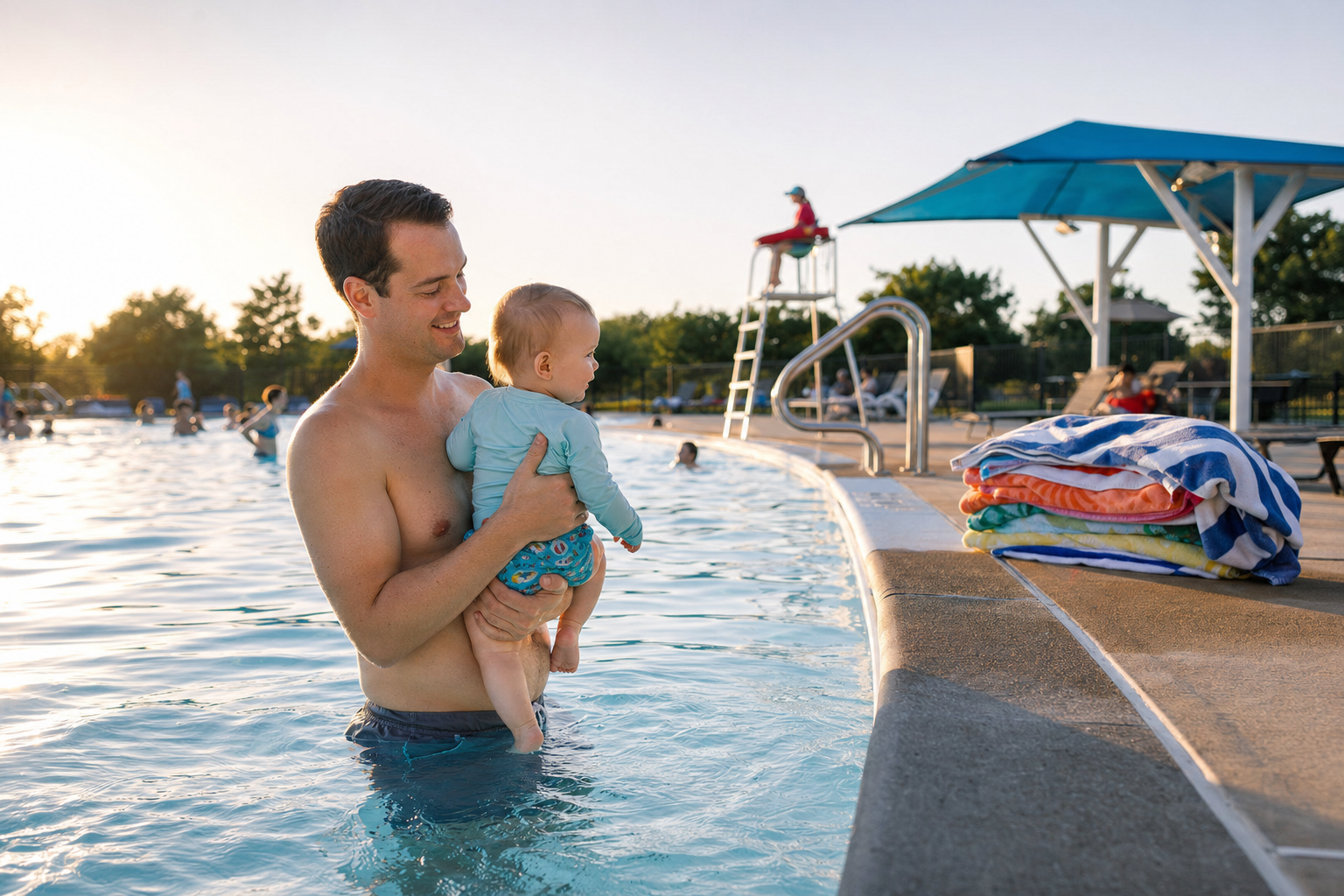
When preparing to take your 0–24-month-old baby for a swim outdoors, you need to be extra aware of air, wind, shade, and water temperature. Starting with the most important rules will help your baby stay warm, comfortable, and happy—and prevent chilly or overheated swims.
Why Water Temp Matters Most
For babies under two, especially newborns, water can pull heat away quickly. Even a pool that feels warm might be much cooler for their tiny bodies. Experts like those at Boy’s Town National Research Hospital say infants need pool water heated to at least 89.6°F (around 32°C) to stay safe, especially if public or outdoor pools tend to have cooler conditions.(boystownhospital.org) Others recommend a range of 87–94°F (30.5–34.5°C) for young swimmers to avoid cold stress.(waterwisekids.com)
If water drops below this sweet spot, you risk shivers, pale skin, or worse—so always check the pool temperature first. Use your elbow or a thermometer. If you feel cold just standing in the water, your baby already is.(usswimschools.org)
How Long Can Baby Swim Without Getting Cold?
Even in warm water, swim sessions should be short: around 30 minutes maximum for babies under one.(boystownhospital.org) For first few times, start with 10-15 minute sessions while closely watching your child’s cues.(swimy.org) If baby shows signs of distress—like shaking, cold torso, pale or bluish skin, lips, or fingers—it’s time to end the swim. Also, if you're feeling a chill, baby already may be going cold. Always stay alert to those signals.(health.clevelandclinic.org)
Here’s where planning the timing helps: some parents follow the 10-Week Plan from swimy.org to shape lesson schedules based on nap times, feeding windows, and gradually increasing swim tolerance. It’s a tool to prevent overstimulation and chilling.(swimy.org)
Air, Wind, Shade—and How They Affect Comfort
If you want a structured way to build water confidence at home, the 10-Week Plan guides you step by step.
Even with ideal water temperature, outdoor conditions can undo your best swim session. Air temperature should be warm—ideally at least a few degrees above the water temp so exiting the water doesn’t feel like stepping into a freezer. A light breeze cools wet skin fast. Shade helps block sunburn, especially for babies under 6 months who shouldn’t use sunscreen much.(health.clevelandclinic.org)
On sunny summer days, UV protection is critical. After swimming, baby skin is damp and more prone to damage. If it’s cooler or windy, try to have a cozy, sheltered spot where you can dry off and warm up without wind sucking away that warmth.
[[ctababy]]
Signs Baby Is Cold (or Overheating) and When to End Swim Early
You’ll know it’s time to wrap things up if you notice signs such as shivering, chattering teeth, trembling limbs, or if baby’s skin looks pale, blotchy or bluish—especially on lips or extremities.(health.clevelandclinic.org) Also, fussiness that doesn’t settle, sneezing, or reduced movement are important cues. Babies under one year can’t tell you they’re cold, so you must read their body.(health.clevelandclinic.org)
Overheating is also risky—especially in summer. If baby is flushed, sweating, seems irritable, or breathing rapidly, reduce layers, move into the shade, or cut swim time short. Keep an eye on the neck, chest, and tummy areas; those tell you more than cold hands or feet.(rileychildrens.org)
Seasonal Tips: Spring, Summer, Autumn
Spring openings: pools may still be chilly. Look for heated baby pools or only warm water around 32°C. Stay brief, cover up when out of water, and watch wind gusts.
Summer vacations: water and air tend to be warm, but intense sun, UV, and long exposure can lead to overheating. Midday sun is harsh—opt for early morning or late afternoon swims. Use hats, rash-guards, shade.
Autumn outdoor lessons: temperatures fall. Expect water to cool faster, especially in shaded or windy towns or near large bodies of water. Swim sessions may need to shrink back to the shorter 10–15 minute range. Drying and wrapping up fast matters as that cool air becomes more of a challenge.
Putting It All Together: Sample Swim Plan
Pick a time when baby is rested and fed. Check weather, water, and wind. Aim for pool temp of 87-94°F, air slightly warmer. Dress baby in UV-safe swimwear, use sun-hat and possibly a swim cap if it helps retain heat. Begin with 10 minutes, gradually increase by 5-minute increments as long as baby remains cozy and comfortable. Exit sooner if any cold signs appear. At end of swim, towel off, wrap in warm layers, moisturize if needed.
Final Word on Safety: Caregiver Checking Baby
Always be your baby’s thermometer. If you feel a chill from the water or wind, your baby almost certainly does too. Don’t rely on just looking; touch their chest or back. Wetness + wind is a cooling multiplier. Limit exposure. Keep break-gear ready: towels, dry clothes, hats. If baby has been in cold water too long, and shows weak feeding, strong shivering, blue lips, or seems unusually floppy, medical advice may be necessary.(stanfordchildrens.org)
With this plan, your baby will get shorter, happier swims without chilling or overheating—keeping pool time safe and joyful.
120+ swimming exercises sorted by age — with video and instructions. Developed by swim instructors, completely free.

120+ swimming exercises sorted by age — with video and instructions. Developed by swim instructors, completely free.