Pool Toys Audit: Safer Fun for Ages 3–12
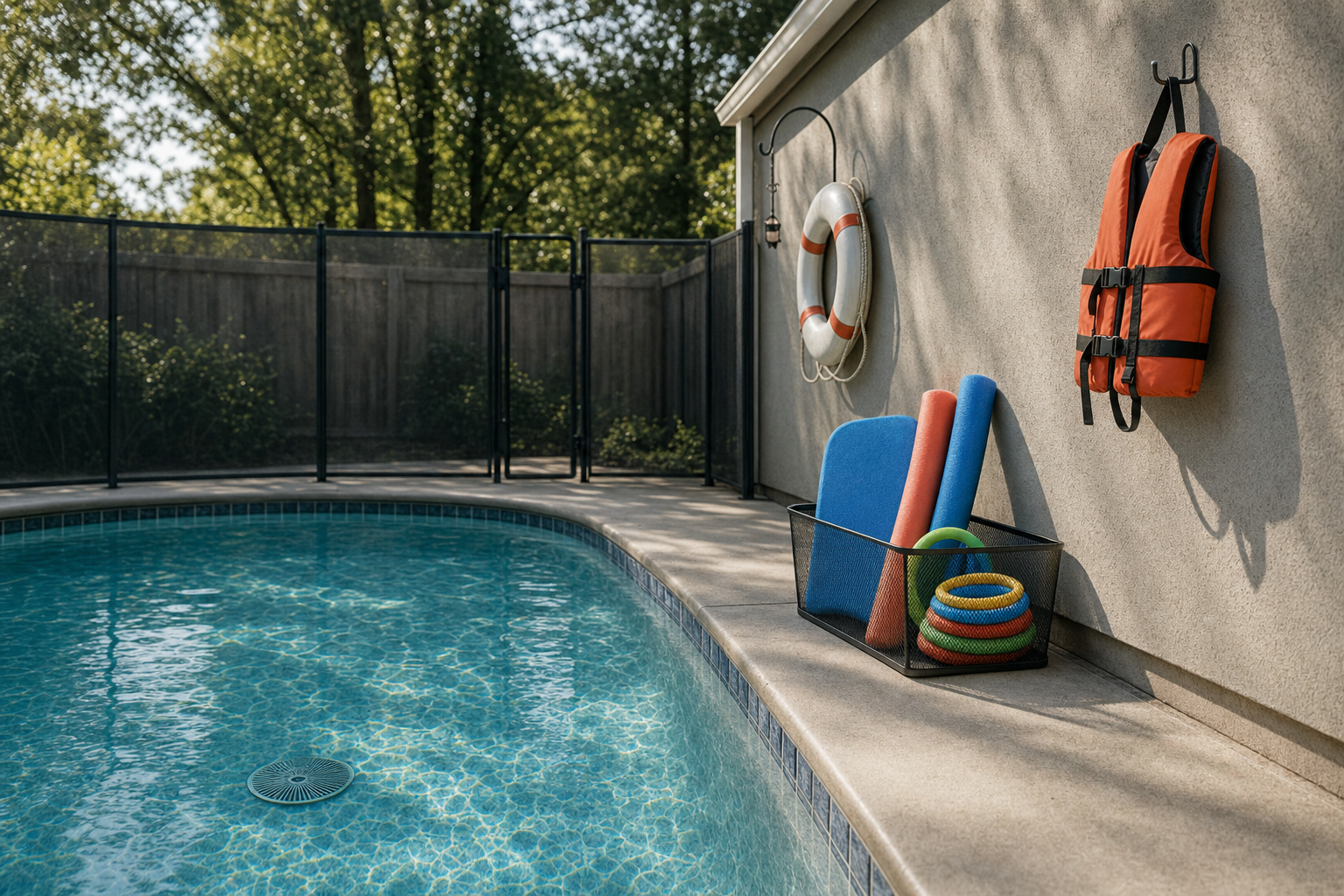
Jumping right into it: the most crucial pool toy safety rule for kids ages 3 to 12 is that no toy replaces supervision or rescue tools. Floaties, water wings, inflatable animals—fun though they may be—are not life-saving devices. You still need rescue gear like Coast Guard-approved life jackets nearby, a shepherd’s hook, and adults who are fully alert, not checking their phones.
Why Floaties Aren’t as Safe as They Look
Parents often ask, “Are floaties safe?” The short answer: only when used correctly—and sparingly. According to Consumer Reports, inflatable swim aids like Puddle Jumpers can create a false sense of security for both children and supervising adults. Floaties may hold kids upright instead of letting them learn true floating or stroke techniques, making swimming without them harder later on. (consumerreports.org)
Likewise, the American Academy of Pediatrics recommends life jackets approved by the U.S. Coast Guard instead of water wings or foam arm bands. These simpler devices may pop, slip, or fail and do not guarantee a child’s head stays above water. (stlouischildrens.org)
Toys That Teach Skills vs Toys That Distract or Trap
Between ages 3 to 12, kids are developing coordination, swimming strokes, breath control, and confidence in the water. The best pool toys are those that encourage proper form: kickboards, fins, hoops under water, and floating toys that support arm reach and movement but don’t hold the child upright or create resistance that teaches bad habits.
But inflatables, oversized rafts, or toys that float on the surface may pose entrapment risks. A large raft tipping over could trap a child beneath it. Toys left floating can block visibility of the pool’s bottom, masking a child who may be struggling. Drains are another danger: regular drain covers are required by law under the Virginia Graeme Baker Pool & Spa Safety Act, but toys can cover drains or reduce sight lines, increasing risk. (poolsafely.gov)
From Messy Bin to Safety Win
Imagine the toy bin by the pool deck. If it’s a cluttered mess of deflated floaties, leak-y inflatables, broken noodles and stray arm bands, you’ve got hazards before the swim even starts. Retiring toys with leaks, tears, or poorly secure fastenings is key. Floaties should fit snugly and be age and weight appropriate. Store everything out of your pool when swim time ends—even at the surface, a toy can tempt unsupervised entry.
For instance, one guideline suggests that when pool time concludes, all toys be cleared away so a child isn’t drawn to the water trying to retrieve them. That simple step cuts down on accidents outside swimming sessions. (fss.hhs.texas.gov)
If you want a structured way to help your child progress at home, the 10-Week Plan guides you step by step.
What Safety Experts Recommend and How to Teach Swim Skills
Every family should consider enrolling children in swim lessons early on. Kids aged 3–12 benefit enormously from structured swimming classes that build skills like floating on the back, treading water, and proper arm strokes. Experts believe these skills offer real protection—much more than relying only on floaties. (consumerreports.org)
[[ctakid]]
If you’re looking for a structured path, try the 10-Week Plan by swimy.org, which lays out consistent swim practice and progressive skill-building. Implementing something like this during pre-summer gets kids ready before the season really heats up.
Also teach kids about drains: avoid playing near them, do not cover or block visible drain grates, and ensure compliance with safety suction standards. Make sure the pool has compliant drain and anti-entrapment features. Display rules clearly: no toys left in the water, no running, eyes on swimmers at all times. (healthychildren.org)
Best Practices Before, During, and After Swim Sessions
Before you jump into pool time, inspect your toy bin. Check for punctures in floaties, make sure seams on arm rings or bouncy floats are intact, verify life jackets are Coast Guard-approved, fitted, and functional. Avoid inflatables with one valve or thin plastic that leaks easily.
During swimming, leave floaties or water wings out when the child is practicing strokes or swimming across the pool. Use noodle or board supports only as practice tools—not always. Adults supervising should always be within reach if something goes wrong. Distractions kill safety; keep phones and other distractions off the pool deck or at least hands-free.
After swim time is over, drain inflatable pools or store above-ground ones safely, remove or deflate toys stored at water level. Clear floatables from the water and poolside so kids won’t try to fish them out unsupervised later. Secure drain covers and avoid covering drains with any objects. Store rescue equipment where it’s easy to reach. (poolsafely.gov)
When Floaties Might Be Okay—and When They’re Not
Floaties are acceptable for light play—holding on to pool edges, floating under close supervision—but they should never replace swim lessons or life jackets. They shouldn’t be the go-to for non-swim times or when children are vulnerable (close to drains, steep sides, uneven terrain). For open water (lakes, rivers), always go with a certified life jacket, not inflatable toys. (poolsafely.gov)
Especially for school-age kids (ages 8-12), encourage more independence—but not without supervision, rescue gear, and clear safety rules.
Safety means designating a water watcher, always keeping rescue gear accessible, and ensuring every toy left behind is accounted for. This keeps summer fun strong without compromising safety.
Keeping pool toy safety front of mind turns a messy toy bin into a safety win. By retiring unsafe inflatables, not relying on floaties or toys during swim practice, and clearing the pool area after swim sessions, parents turn chaotic pool decks into clean, safe zones. Teach real swim skills through structured lessons, ensure rescue gear is always in place, and let supervision be what you count on—not toys. When season’s here, splash safe, clean up briskly, and swim with confidence.
120+ swimming exercises sorted by age — with video and instructions. Developed by swim instructors, completely free.

120+ swimming exercises sorted by age — with video and instructions. Developed by swim instructors, completely free.