Poolside Advice from Strangers: What Parents Really Need to Know
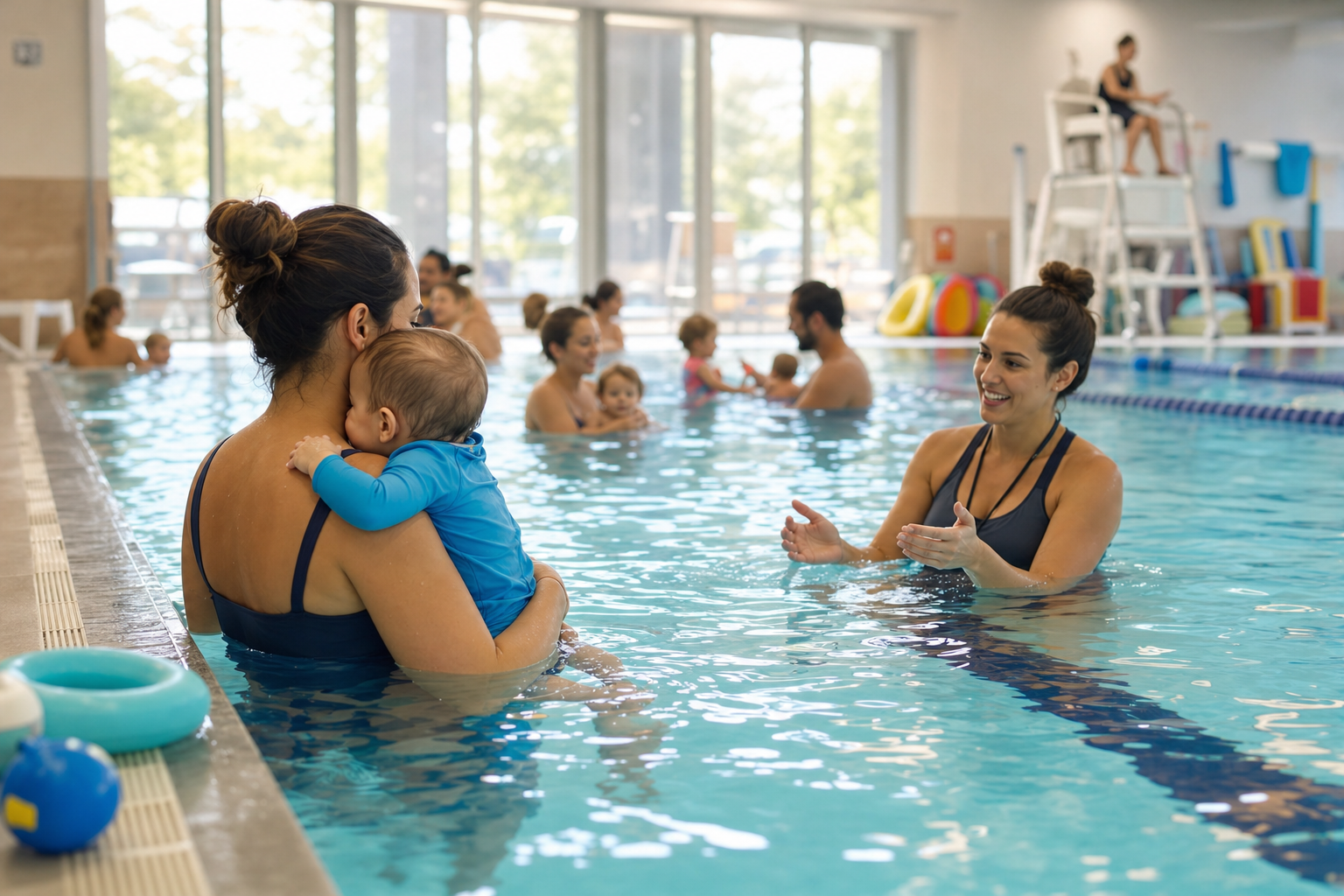
When someone by the pool says something like “just dunk them” or “they’ll float naturally,” it can be hard not to freeze. You want your baby to be safe, you're unsure if the stranger’s advice is right, and you don’t want to argue. Here’s the most important info first: those types of suggestions are myths, and following them may put your child at risk. The best strategy? Gentle but firm responses that keep your Parent-Child water safety values front and center.
Myth vs. Reality: “Just Dunk Them” & “They’ll Float Naturally”
The idea that dunking a baby will teach them to swim or that babies will just float on their own comes up a lot. But science doesn’t support it.
An official policy statement by the American Academy of Pediatrics (AAP) states that infants younger than one are neurodevelopmentally incapable of performing the skills needed for survival swimming. They might reflexively float on their backs if repeatedly submerged, but there's no evidence that this ability reduces drowning risk.(publications.aap.org)
Similarly, “floating naturally” is misleading. Infants do have reflexes—such as the diving reflex—but they don’t make babies “float” in a safe, intentional way. Assuming all babies can auto-rescue themselves can be dangerous.(publications.aap.org)
Responding Without Conflict
Here are scripts you can use when someone gives dangerous baby swimming advice. They help you stick to your convictions while staying respectful.
Scripts You Can Try
- “Thanks, I appreciate your passion. We’ve decided to wait until after the first birthday for formal swim lessons—AAP says that infant classes under one haven’t been proven to reduce drowning risk.”
- “I understand why you say that, but we prefer parent-child water play classes right now. Drowning prevention experts warn that ‘just dunking’ can feel unsafe and doesn’t teach usable survival skills.”
- “It might work for some, but every baby develops differently. We’re following evidence-based guidelines so I can support my baby’s readiness and keep them safe.”
These responses work because they stay calm, make clear your values, and often reference trusted guidelines.
If you want a structured way to build water confidence at home, the 10-Week Plan guides you step by step.
What Science Says About Infant Swim Classes & When to Start
Parents want to do everything possible to keep their baby safe around water. Here’s what the evidence suggests:
- The AAP currently does not find proof that infant swim programs for babies under 12 months reduce drowning rates. The policy advises beginning formal swim lessons after the first birthday.(healthychildren.org)
- For toddlers aged 1–4 years, swim lessons that teach water competency and survival skills can reduce drowning risk. But lessons alone aren’t enough. Supervision, proper barriers (like pool fences), life jackets, and CPR knowledge are essential.(healthychildren.org)
- Water play or parent-child classes are great for babies under one to build comfort in water. These classes help babies acclimate, teach parents helpful skills, and build confidence—without pushing unsafe practices.(njswim.com)
[[ctababy]]
How to Stick with Baby-Led, Evidence-Based Safety
You absolutely can follow an evidence-informed approach without feeling pressured by random advice. Here’s how.
Build Your Water-Readiness Plan
Decide what matters most to you—your child’s comfort, gradual skill building, fun, supervision. Find classes that align with your values, not just flashy survival promises.
Include more than just swim lessons. Make sure you have layers of protection like fenced pools, constant supervision, life jackets when boating, and adults trained in CPR.(publications.aap.org)
Evidence-Informed Approaches That Work
At about 30–60 percent into making decisions—when reviewing options—do this: Explore what organizations with solid reputations are offering. Compare different programs, read the fine print, and trust institutions that use research-based practices.
One practical resource is the “10-Week Plan” from swimy.org, which can help parents gradually build water confidence and safety habits with babies. It’s not about forcing survival scripts; it's about small, connection-focused steps rooted in what we know about infant development.
Reminders & Final Thoughts
- Myth check: There is no evidence that infant swim classes under age one reduce drowning risk.Relying on suggestions like “they’ll float naturally” or “just dunk them” can lead to unsafe practices.(healthychildren.org)
- When to start lessons: After the first birthday is the AAP’s recommendation for formal swim lessons that aim to teach survival skills, because babies under one aren’t yet developmentally ready.(publications.aap.org)
- Supervision & barriers remain your top protection. Swim skills don’t replace them.(healthychildren.org)
When someone offers offhand advice poolside, remember: you’re steering your baby’s water journey. Speak up for what science supports, respond kindly but firmly to myths, and build your baby’s confidence one safe, joyful splash at a time.
120+ swimming exercises sorted by age — with video and instructions. Developed by swim instructors, completely free.

120+ swimming exercises sorted by age — with video and instructions. Developed by swim instructors, completely free.