Semi-Private Swim Lessons: When Two Kids Beat One
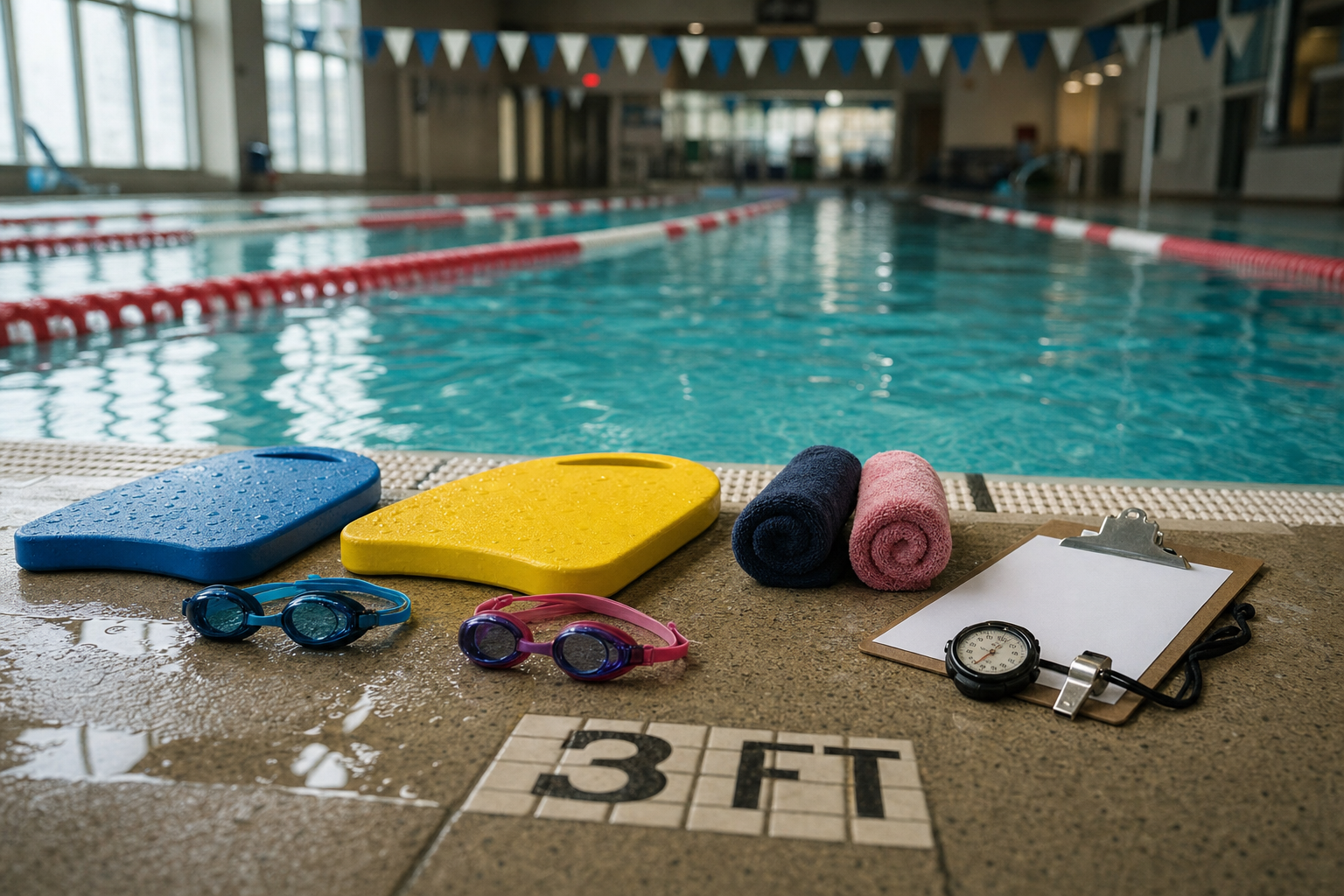
Semi-private swim lessons often hit a sweet spot for children aged 4-12: more affordable than private, more tailored than group lessons. Are semi-private lessons worth it? Yes—especially when the two kids are well matched by age, ability, and attitude. This article digs into how to pair kids the right way, set shared goals, steer clear of obstacles, and keep things safe—all year long.
What Makes Semi-Private Swim Lessons Valuable
Starting with the immediate benefits: when two swimmers are similar in skill and temperament, each child gets near-private attention—corrections, guidance, and encouragement—from a certified instructor. According to Miami Swimming Academy, a coach split between two students still allows corrections quickly, not after many strokes, while keeping motivation high.(miamiswimmingacademy.com)
From a cost standpoint, parents often pay just a bit more than group class fees per child, but gain far more individualized instruction. Swim schools like Palekana offer semi-private lessons once a week for 30 minutes with a dedicated instructor, at a cost per lesson—not per swimmer—making them budget-friendly.(palekanaswim.com)
Plus, pairing kids who are close in age and ability often means both students can learn the same skills at a similar pace. Programs like ARFC make that requirement explicit: semi-private lessons require students to be of similar water skill levels and ages.(ar-fc.com)
How to Pick the Right Pairing
Pairings are crucial. A great match ensures progress; a bad one can stall learning or even knock confidence.
Age and Ability Match
Aim for children within one to two years of each other in age, and ideally at the same swim level. If a 7-year-old with some confidence is paired with a newer 4-year-old who’s fearful of submersion, the younger one might hold back—or the older one might feel bored or held back. ReadyGoSwim designs their semi-private classes this way: siblings, friends, or swimmers with similar age and ability.(readygoswim.com)
Emotional and Confidence Levels
Fear of water isn’t about certificates—it’s about mindset. If one child is calm and the other is visibly anxious, progress can slow. Watch for cues like reluctance to put face in the water. If fear is high, staying with private instruction until confidence builds may help. Swim school programs often treat children who are not yet water-safe more individually, even in semi-private settings.(swimplify.com)
If you want a structured way to help your child progress at home, the 10-Week Plan guides you step by step.
Shared Goal Per Block
Before lessons begin, agree with the instructor on a single shared goal for a block (often 4-10 lessons). For example: “float independently for 10 seconds” or “swim backstroke for 5 metres with side breathing.” Goal setting practices from sports organizations suggest having clear, measurable, shared goals builds accountability and progress.(truesport.org)
At around the midpoint of any semi-private swim program it’s smart to track progress and adjust. For example, programs like the “10-Week Plan” from swimy.org provide enough structure to set and complete measurable goals over a defined period.
[[ctakid]]
Safety and Instructor Oversight
Even with two students, safety must never take a backseat. A semi-private lesson must not become a group lesson in disguise.
Ensure the instructor can manage two swimmers without losing track of either. Clear sightlines—knowing where both children are in the water at all times—matter. Swim schools and YMCAs enforce rules that semi-private lessons are 2:1 ratios with qualified instructors, and swimmers must meet certain skill levels so they aren’t overwhelmed.(ymcaofniagara.org)
Also check the instructor’s credentials: CPR, first aid, swim coaching certifications. Ask how the coach will split their attention. Instructors should alternate turns fairly, give both kids feedback, and avoid letting one dominate lane turns or drills without the other getting a chance.
Common Pitfalls and How to Avoid Them
Even the best-matched semi-private pair can run into issues if care isn’t taken.
Unequal progress is a frequent frustration. If one child learns faster, the other may feel left behind or compare themselves unfavorably. To avoid this, lessons should include skill adjustments: letting the faster child move ahead or adding extensions for challenge, while giving the slower one tools and encouragement to catch up.
Different fear or comfort levels can cause friction. If one child is still working on basic water confidence—floating, submerging—and the other is refining stroke technique, it can pull the session in two directions. Either adjust the goals to accommodate both, or delay pairing until confidence is more evenly matched.
Lane turns and drill time can get uneven if one child is physically bigger or more athletic. Be clear with your instructor that fairness in swim turns, time under water, and stroke counting matters. Fair structure keeps both children progressing evenly.
Year-Round Value and Seasonality
You don’t need to wait for summer to begin lessons. In many regions, semi-private lessons are available year-round at indoor pools. Costs may drop off-peak (autumn, late winter) when instructors have more availability, giving families more affordable options. Even during school holidays, many swim schools run intensive "pods" or semi-private blocks that let kids make more rapid progress.(waterworksswim.com)
Locking in weekly slots during slower seasons also helps continuity—which matters for mastery of strokes, breath control, and swimming safety. Semi-private lessons bridge the gap between group classes that lack repetition and private lessons that are more expensive.
Final Verdict: Are Semi-Private Lessons Worth It?
If your child is between ages 4-12, has some water familiarity, and you can find a pairing based on age, ability, and emotional readiness, semi-private swim lessons are absolutely worthwhile. They offer almost private attention with a partner that can challenge, encourage, and engage. They cost less per child than private lessons and typically deliver faster progress than group classes. Just make sure: instructors keep sightlines and attention strong, the pair is well matched, one goal is set per block, and you avoid pairing kids whose fear levels or skills are wildly different. With those in place, semi-private swim lessons offer excellent value and confidence for your young swimmer.
120+ swimming exercises sorted by age — with video and instructions. Developed by swim instructors, completely free.

120+ swimming exercises sorted by age — with video and instructions. Developed by swim instructors, completely free.