Postpartum Confidence at Baby Swim Class: How to Feel Ready for the Pool
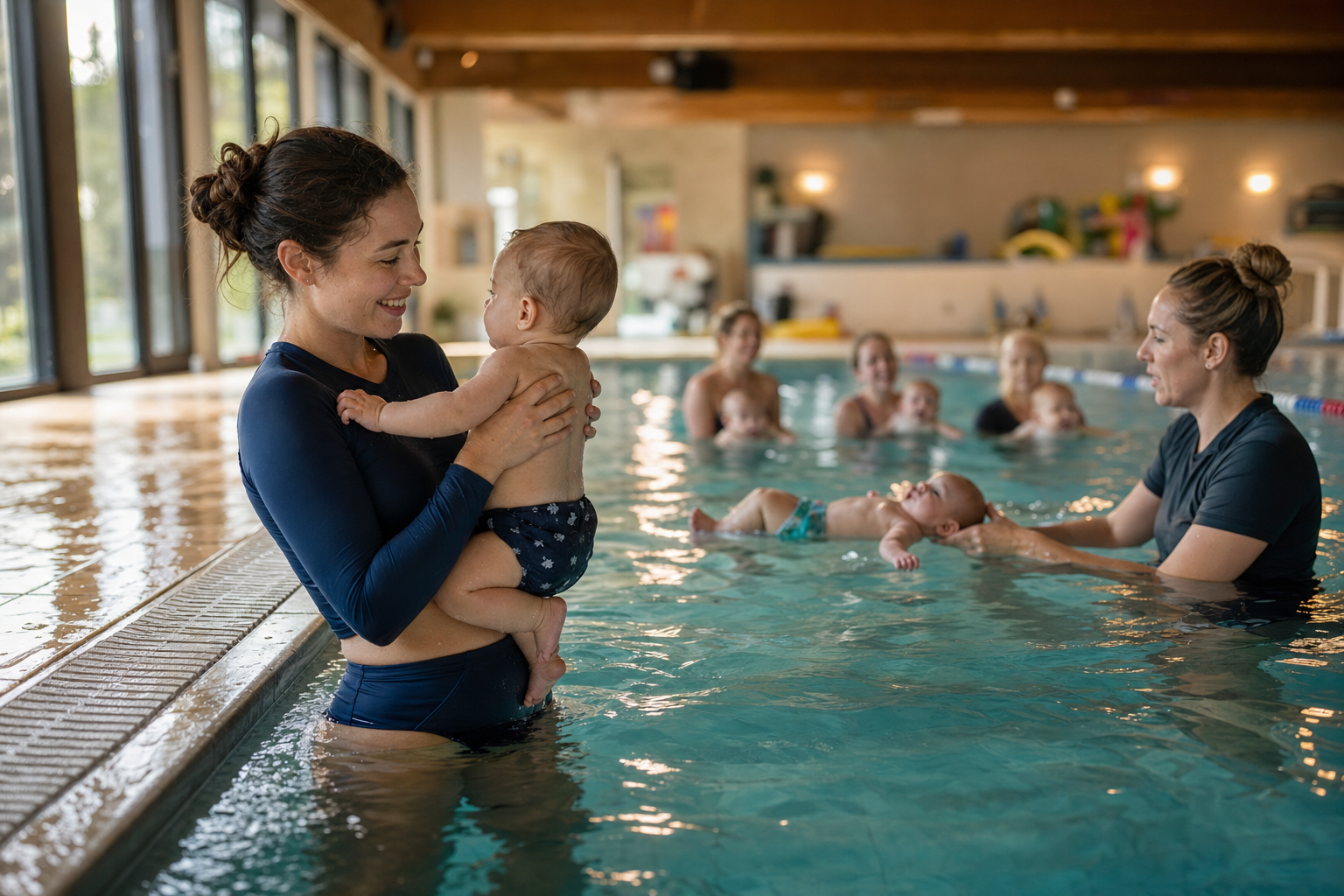
If you're postponing baby swim class not because of the baby but because changing rooms, swimwear, or public exposure feel overwhelming, you're definitely not alone. What follows are body-neutral, practical ways to build confidence so you and your little one can get the benefits of water bonding—without waiting forever.
Understanding Emotional Readiness vs. Medical Recovery
First things first: emotional readiness and medical recovery are two very different things. Before stepping into the pool, you need clearance from your OB-GYN or midwife, especially after a vaginal birth with tearing, a C-section, or other complications. Most providers recommend waiting 4 to 6 weeks for vaginal births and 6 to 8 weeks for C-sections to avoid infection or disrupting healing.(usms.org) Emotionally, it's common to feel vulnerable in swimwear, self-conscious around changing rooms, or anxious about being watched. Those feelings are valid—they stem from a body that has changed, is recovering, and maybe still feels unfamiliar.
Swimwear Confidence: What Helps
Choosing the right swimwear can make a big difference in easing swim class anxiety. Avoid anything too loose that might shift or expose you during baby lifts. Look for water-proof fabrics—nylon, spandex, polyester blends—that dry quickly and stretch comfortably.(swimy.org) For postpartum support, styles that include adjustable tankinis, higher waistbands, or two-piece combos allow you to tweak coverage depending on how your body feels. If you had a C-section, make sure your waistband sits above the incision so it doesn’t rub or irritate.(swimzip.com) Using rash guards or swim leggings can add coverage without compromising movement, and secure fastenings like zips that won’t slip help ease worry about visibility. Swimming on your own or under water? Always make sure zips are chlorine-safe.(swimy.org)
A tool many parents find helpful is the 10-Week Plan from swimy.org. It guides you gently through layers—starting with modest swim pieces, then gradually expanding what you wear, how long classes last, and how often you go, so you can build confidence alongside baby without forcing yourself. This plan fits between choosing swimwear and preparing to actually swim.
If you want a structured way to build water confidence at home, the 10-Week Plan guides you step by step.
Practical Tips for Public Swim Settings
The changing room often feels like the biggest hurdle. Here are strategies to manage it: wear your swimsuit under clothes on arrival so you’re changing fewer pieces; bring a cover-up you can wrap quickly before entering public areas; use private stalls if possible; and wear flip-flops to avoid slippery floors and puddles.
[[ctababy]]
In classes, move at your own pace. Whether you hold baby close, stay waist-deep, or just dip in the water, the goal is bonding—not perfect swimming. Share your comfort level with your instructor—they can adapt routines or moves so you feel safer, perhaps staying close to walls or starting with gentler hold positions.
Talking with other parents also helps normalize the anxiety. Many Reddit threads show moms asking “what should I wear?” or warning each other to pick swimsuits that stay put when babies grab or when bending, rather than flashy styles.(reddit.com)
Balancing Comfort, Safety & Connection
Water bonding with your baby—floating, splashing, eye contact—is important for emotional attachment. But comfort matters just as much. If you feel cold, your muscles tense up, or you’re distracted by covers shifting, that takes away from connecting with your baby. Prioritize swimwear that keeps you warm, secure, and able to move.
Wear supportive swim bras if nursing; bring wrap towels or robes you can pull on quickly after class to stay warm and confident. Use swim diapers for babies; ordinary diapers don’t hold up and will swell.(avacswimschool.us)
Also, check with the pool facility about policies on modest swimwear—what styles they accept, whether burkinis or rash guards are allowed, what fabrics meet code. That knowledge ahead of time avoids embarrassment or changing mid-class.(swimy.org)
When to Reach Out for Help or Wait
It’s okay to postpone if you’re still physically healing, or if the thought of swimwear in public overwhelms you. If there’s pain, bleeding, infection risk, or advice to avoid soaking by your provider, wait. If anxiety keeps you in tears or makes you dread leaving home, consider counseling, peer support, or doing baby water time at home first.
Even after those first classes, be kind to yourself. Confidence builds gradually. One parent reported that after three or four sessions, her swimsuit was no longer something she thought about constantly because she was focused on her baby’s smile and kick.(mumsnet.com)
Final Word: When Confidence Meets Connection
You don’t need to be photo-ready or have returned to your pre-baby body—pool time isn’t about optics. It’s about comforting touch, water warmth, and feeling like you belong in your body again. Postpartum swimwear confidence isn’t just about what covers you, it’s about what supports you in letting go of shame and embracing connection with your baby. Once you feel physically ready—and medically cleared—a comfy suit, a trusted instructor, and a patient mindset create space for joy in the water.
You deserve to be in the swim, not just as a caregiver, but as a recovering person learning to trust your strength and softness both.
120+ swimming exercises sorted by age — with video and instructions. Developed by swim instructors, completely free.

120+ swimming exercises sorted by age — with video and instructions. Developed by swim instructors, completely free.