Quick-Change Exit: 10-Minute Post–Swim Lesson Routine for School Nights
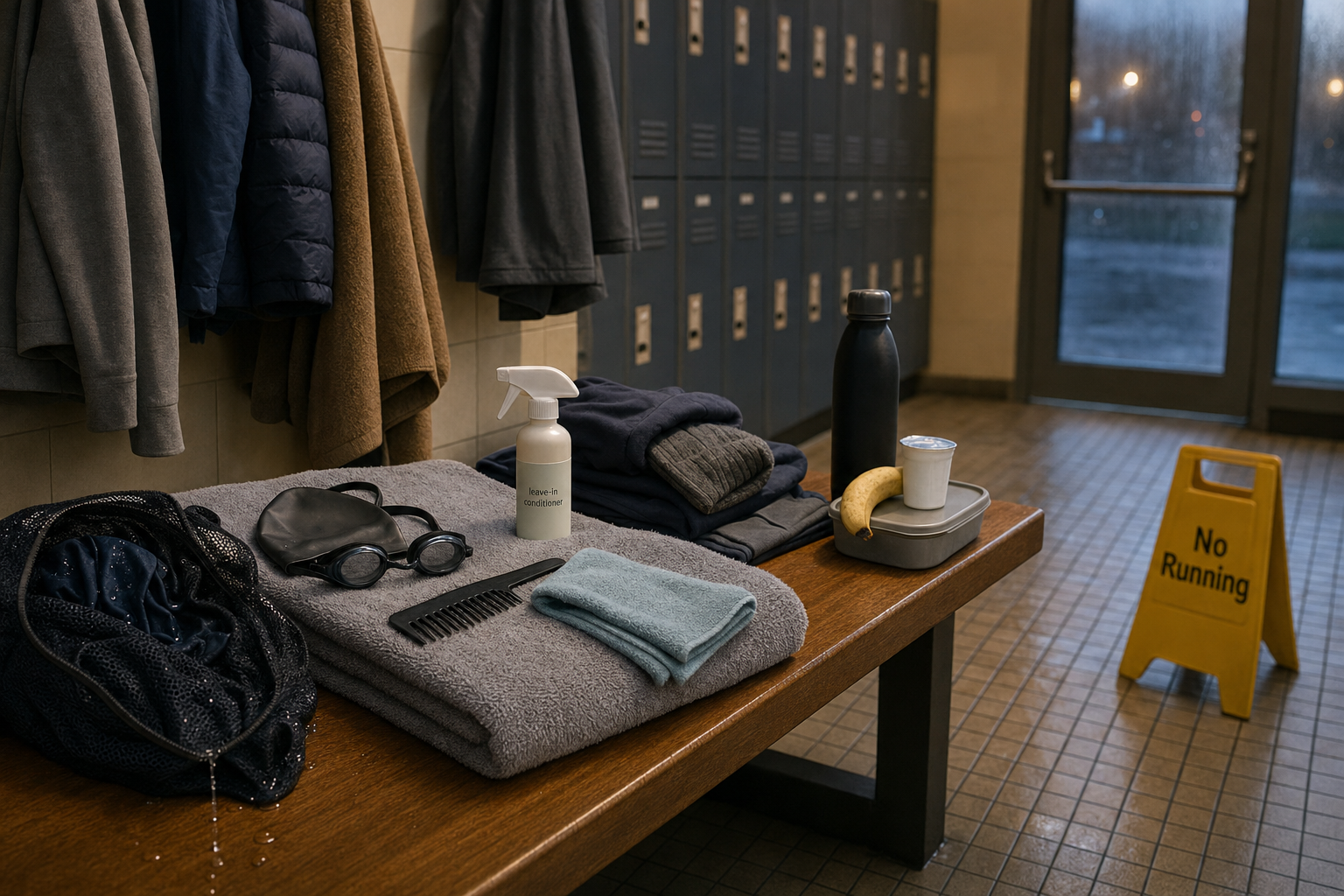
Ever walked out of an indoor swim lesson on a chilly fall or winter night with a dripping towel, screaming kids, and parents in full-on rescue mode? What if you flipped that scene—kids leaving warm, fed, and everything packed—no tears, no tussles? Here's a ten-minute “after swim lesson routine” that tames scramble time, designed for ages 3–12, especially on school nights.
Minute 1: Towel Triage & Rinse-Off
Seconds count. As soon as the lesson ends, wrap your child in a large, absorbent towel or swimmer’s poncho. Rinse off pool chemicals using fresh water—heaps of chlorine trapped in hair and on skin worsen dryness and irritation. According to WaterWiseKids, rinsing immediately after swimming and using a swimmer’s shampoo or conditioner dramatically reduces chlorine damage. (waterwisekids.com)
Don’t forget ears and face: tilt the head to drain ears gently, rinse skin, and remove goggles. This prevents swimmer’s ear and skipping this increases itchiness later. (waterwisekids.com)
Minute 2–3: Quick-Dry Hair Without Damage
Brushing wet hair aggressively or rubbing it with rough towels causes tangles and breakage. Use a microfiber towel or soft cotton and gently blot or squeeze excess water. According to dermatologists, rubbing is a major culprit in split ends and frizz after swimming. (aad.org)
If a blow-dryer is available, use the lowest warm (not hot) setting, keeping at least six inches from the head. For thicker or curly hair, apply a leave-in conditioner or detangler and comb from ends upward using a wide tooth comb. (waterwisekids.com)
Minute 4: Layer Up Warmly
Pool hallways and cars on wintery evenings are deceivingly cold. Dress your child in dry base layers—cotton or moisture-wicking fabric—then add fleece or sweater and a warm hat. The head loses heat fastest, so popping on a dry swim cap or wool hat makes a big difference. (healthychildren.org)
Also, rhythm helps: try to run this routine at least three nights a week if swim lessons repeat. Soon it’s automatic—kids learn to help, grab their own towel, put on dry layers themselves. If your swim program follows something like the 10-Week Plan available at swimy.org, you’ll see these habits supported and encouraged after just a few sessions. Kids get used to packing up, towel triage, and caring for their hair, making after swim chaos far less likely.
Never skip warm layers. Cold air after swimming feels worse and can actually increase risk of chills or hypothermia, especially in younger children. Use several thin layers instead of one bulky coat. (healthychildren.org)
[[ctakid]]
Minute 5: Snack & Hydrate
Swimming is exercise. Even though they’re wet, kids still sweat under water and need fluids. Offer a quick, hydrating snack—a banana, yogurt, or a small protein bar—plus water. This fuels their bodies and keeps them calm. (waterwisekids.com)
Make sure food is accessible—pack single-serve snacks in your changing bag so the moment you’re dressed, kids can munch without messing up layers.
Minute 6–8: Pack-Out
This is where the logistics fall apart without a system: wet swimsuit, goggles, towel, dry change of clothes, snack container. Always have a dedicated “swim-night bag” in the car or by the door. Wash swimsuits immediately or at least rinse and squeeze dry to prevent mildew and illness. (waterwisekids.com)
Double-check for goggles, goggles case, swim cap, ear plugs if used. Keep everything in the same small bag—kids learn where things go, making it smoother next time.
Minute 9–10: Final Warm Touch & Smooth Exit
Before leaving the building, give your child one final warm hug or wrap in a dry towel. If still damp, the warm air from inside should help—avoid stepping into cold air until skin and hair are mostly dry. “Don’t run on wet floors” isn’t just safety advice—it prevents slips, falls, and tears. Slowing down for this last minute often makes all the difference.
Why It Works & How to Sustain It
This routine isn’t just a checklist—it’s a system. It answers the biggest pain points parents face on school nights: cold kids, dripping hair, missing gear, late dinners. By breaking the process into these tight time-blocks, everyone knows what’s next and feels in control.
Common Mistakes & How to Avoid Them
Do not rub hair dry—that causes tangles, which leads to tears. Instead, blot and squeeze water out gently. Skipping warm layers in cold air? That’s when kids feel miserable and may even shiver so much it ruins the ride home. Never use a blow dryer on hot settings—too much heat dries out sensitive hair, especially after chlorine exposure. Always use warm or low heat. And under no circumstances allow running on wet floors: wet surfaces in locker rooms can seriously injure little ones.
Every parent wants swim lessons to leave their child strong, proud, and ready for bedtime, not soaked, frozen, and frazzled. With this ten-minute “after swim lesson routine”, you’ll save time, tears, and keep evening sanity intact. Warm kids, fed tummies, full bags—school nights just got a whole lot easier.
120+ swimming exercises sorted by age — with video and instructions. Developed by swim instructors, completely free.

120+ swimming exercises sorted by age — with video and instructions. Developed by swim instructors, completely free.