Rip Currents Explained for Kids and Parents: Beach Flags and Safety Tips
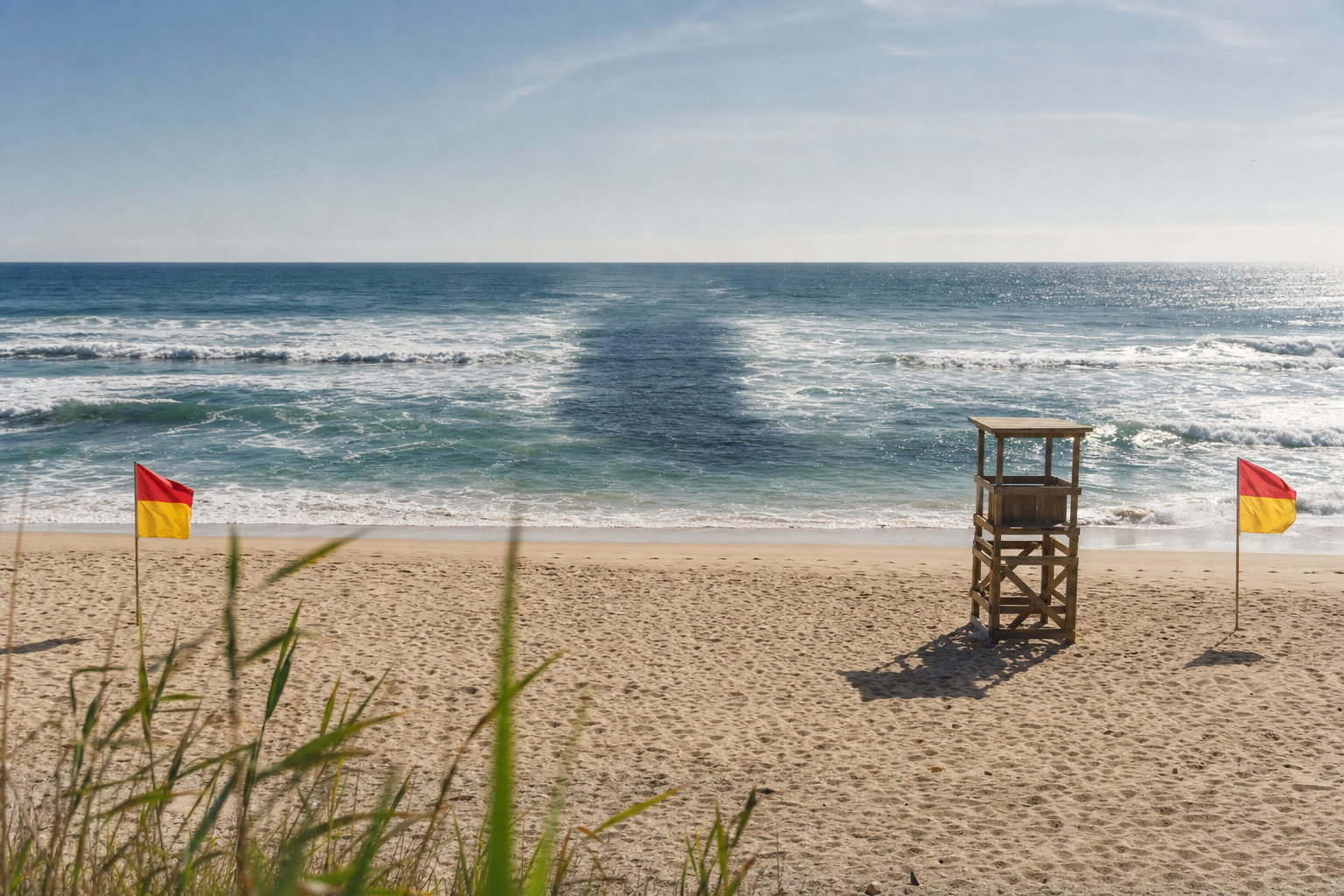
Right now, it’s late spring—or summer—time is almost here, and you might already be planning beach holidays. If you're headed to the coast this year, here’s what you need to know now about rip currents, beach flags, and how to keep your school-age kids (6–12) safe in the surf.
Spotting a Rip: What to Teach Your Child
Teach kids that a rip current isn’t the same as a “riptide”—that’s a common mistake. A rip is simply a strong flow of water moving away from the shore. It doesn’t pull people underwater, but it can pull them away from land. (weather.gov)
Show them what to look for: calmer or darker water with fewer waves crashing, foam or debris moving steadily seaward, or maybe a break in the line of breaking waves. Lookouts like lifeguard towers or the dune line help spot them better. (weather.gov)
If Pulled Out: Float, Then Swim Parallel
If your child ever feels like they’re being pulled out to sea, here’s a simple plan everyone should memorize: relax, float, then swim parallel to the beach until you're free of the pull. Then angle back to shore. Do not swim straight against the current—that usually leads to exhaustion. (nhc.noaa.gov)
If floating feels tough, treading water works too. Kids should also be taught the signal for help: raise one arm and wave, call out if possible—lifeguards will see and hear. (weather.gov)
Beach Flags: What Do They Mean?
In the U.S., UK, and Australia, guarded beaches use colored flags to show water safety and hazards. Knowing the flag meanings can make a huge difference for safe beach time. (lifesaving.com.au)
Common flag meanings include:
- Red and yellow flags together: This is the safe, supervised area to swim (lifeguards are patrolling this zone). (healthdirect.gov.au)
- Single red flag: High hazard—waves or currents are dangerous. It’s best to stay out.
- Yellow flag: Medium hazard. Conditions like stronger surf or currents—kids and less confident swimmers need to be extra careful. (theshoreacademy.com)
- Purple flag (or maroon): Marine pests present—jellyfish, stingrays or something similar. It’s not about waves but about what else might sting or bite. (theshoreacademy.com)
If you want a structured way to help your child progress at home, the 10-Week Plan guides you step by step.
Tell kids you always ask a lifeguard what today’s flag means before stepping in.
[[ctakid]]
Parents: Where to Position the Family & How to Prep Kids
For your own safety briefing, pick a spot close to the lifeguard tower, ideally between the red and yellow flags. That area is under watch, and emergencies can be handled faster from there. Guarded beaches are safest when you swim in patrolled zones. (weather.gov)
Before the first splash of the day, gather the family and describe what flags might look like and what to do if a rip picks someone up. Role-play a rip: kid pretends to be pulled, practices floating, parallel swimming, raising a hand. Confidence helps.
Also help kids recognize rips visually—use clues like wave breaks, color and moving foam. Walk them through what to do in case someone else is caught in a rip: flag down a lifeguard, throw something that floats, don’t try to swim out and rescue—a common mistake. (weather.gov)
Parents can also think ahead: enroll kids in a solid swim school or open water program before beach vacations. Something like the 10-Week Plan from swimy.org helps kids build swimming strength, confidence in surf, and water awareness. Use that as part of your holiday prep.
Safety Rules That Always Apply
Even when everything seems calm, these rules keep beach days fun and safe:
- Always swim near lifeguards.
- Establish a signal phrase or hand sign your child agrees to use if they need help. Practice it.
- Make sure kids can float or tread water before going beyond shallow areas.
- Agree on a buddy system—no one swims alone.
- Keep eyes on kids and stay close enough to grab quickly if needed.
Why You Shouldn’t Swim Straight Against a Rip
Trying to swim directly back to shore when caught in a rip feels natural, but it’s dangerous. The current is pulling outward, and swimming against it tires you quickly. Energy drains fast, especially for kids. That’s why the plan is: float first, swim parallel to escape sideways from the current, then angle back.
Also avoid calling rip currents “rip tides” or “undertow”—these terms are confusing and inaccurate. An undertow is different. Calling things by the right names helps kids understand and spot dangers clearly. (weather.gov)
Final Word: Rip Current Safety for Kids
Rip current safety for kids starts before your feet hit the sand. Spotting rips, reading flags, understanding the “float then swim parallel” plan—these are non-negotiables for summer. Parents, briefing your children well, choosing a guarded beach spot, and sticking to safe zones make all the difference. With smart planning, proper teaching, and paying attention to flags and lifeguards, you can help make sure everyone returns from the beach safe, happy, and ready for the next wave.
120+ swimming exercises sorted by age — with video and instructions. Developed by swim instructors, completely free.

120+ swimming exercises sorted by age — with video and instructions. Developed by swim instructors, completely free.